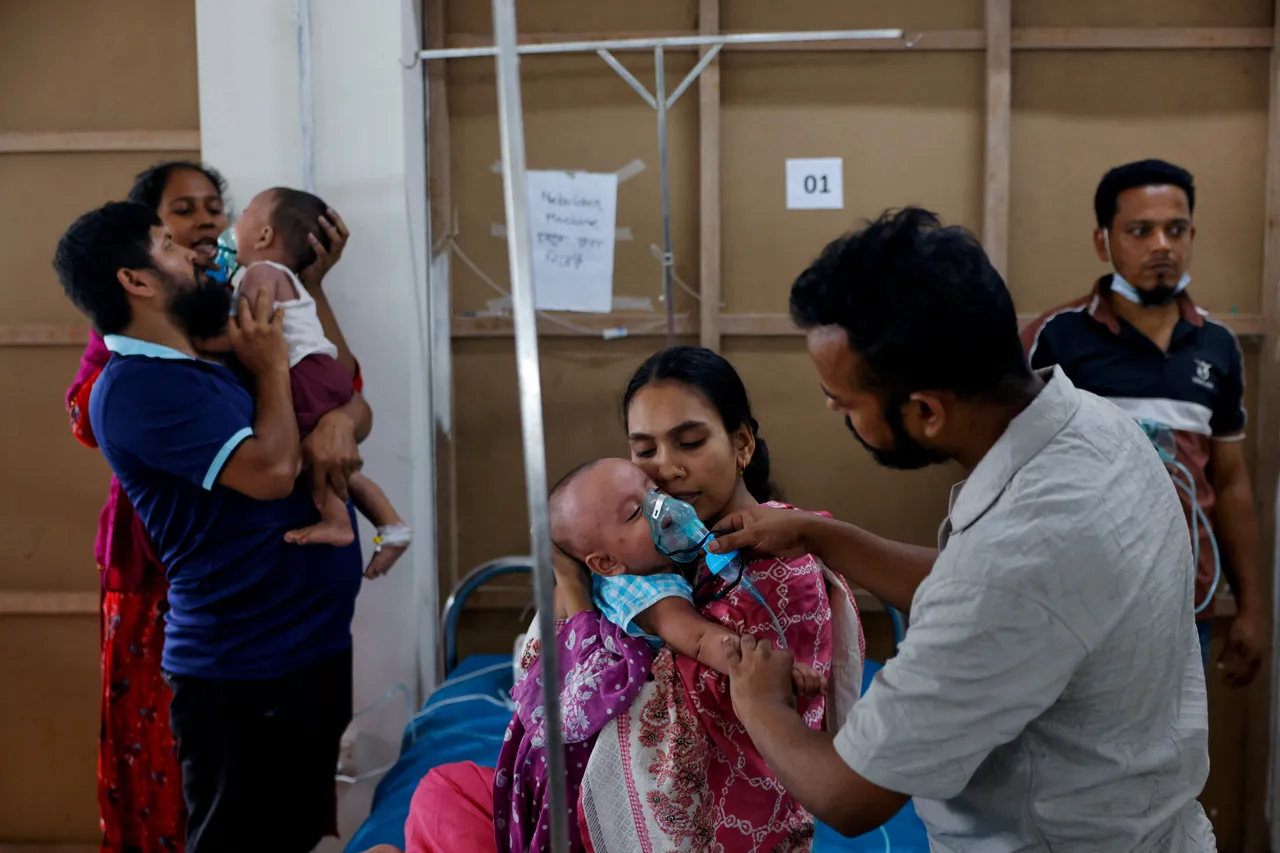
Bangladesh is facing a rapidly escalating measles outbreak as seven more deaths were reported on Wednesday, bringing the total number of confirmed and suspected fatalities to 601 since mid-March, according to health authorities.
Of the total deaths, 90 have been medically confirmed as caused by measles, according to the Directorate General of Health Services.
Health authorities also recorded more than 1,250 new suspected infections in the past 24 hours, bringing the total number of suspected cases to 83,763. Of those, 9,191 have been laboratory confirmed.
Health authorities say the outbreak is stretching the country’s surveillance and testing capacity.
Officials cited a shortage of testing kits, which has slowed confirmation of infections in a population of around 175 million.
Experts say the scale of the crisis reflects accumulated gaps in immunisation coverage, especially among young children.
UNICEF’s Dhaka office has linked the outbreak to years of inadequate vaccine coverage, child and maternal malnutrition, and low rates of exclusive breastfeeding, all of which have weakened immunity among children in vulnerable communities.
UNICEF Representative in Bangladesh Rana Flowers said in a statement reported in early April that vaccines are “foundational to child survival,” warning that the outbreak is placing “thousands of children, especially the youngest and most vulnerable, at serious risk.”
Structural weaknesses
Health officials have also pointed to structural weaknesses in the vaccination system.
Shahriar Sajjad, deputy director of the Health Department, told BBC Bangla in early April that about one-third of those infected were under nine months old, underscoring the vulnerability of infants who cannot yet receive routine measles vaccines.
According to some media reports, Bangladesh has not conducted regular large-scale measles vaccination campaigns since 2020, first due to COVID-19 disruptions and later because of political instability.
Sajjad also noted that a planned campaign in April 2026 did not take place, while procurement issues contributed to vaccine shortages reported by local media.







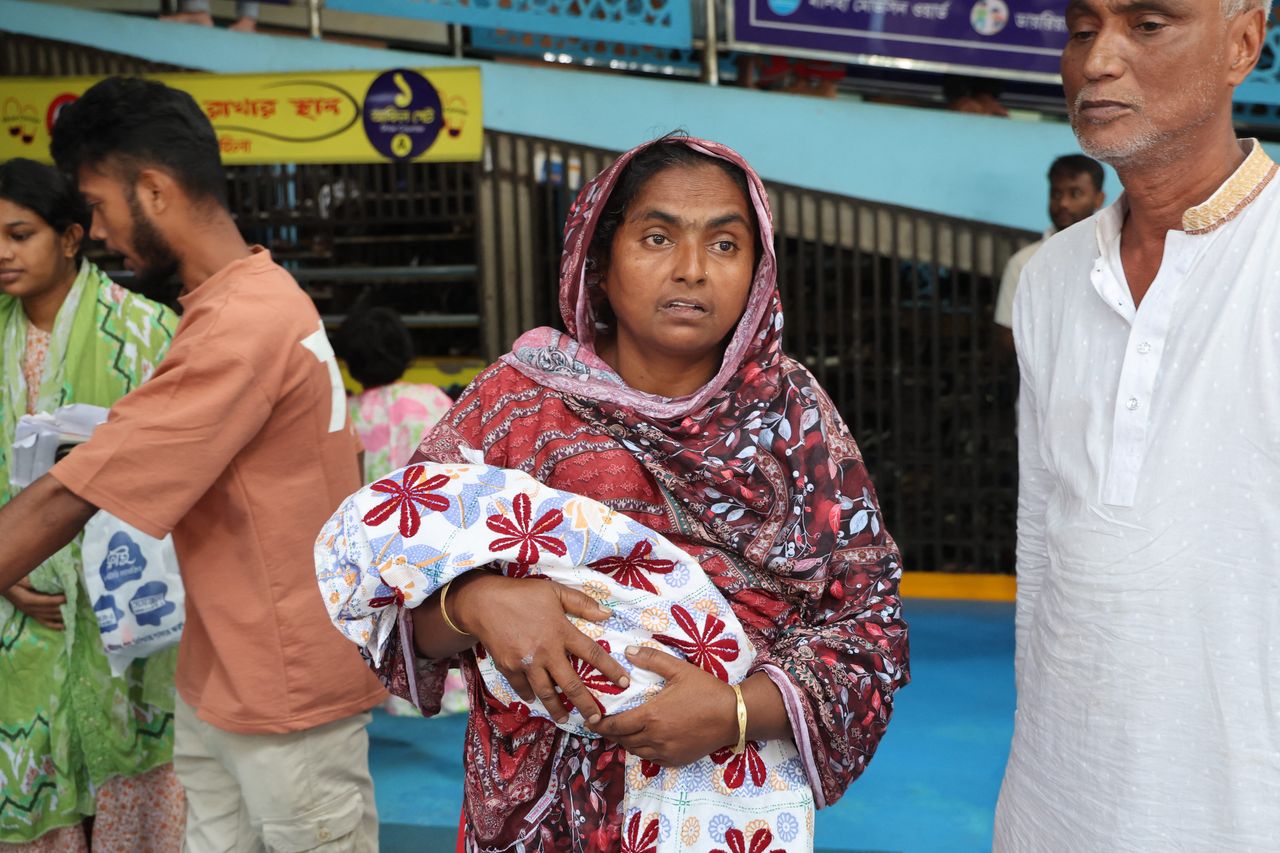
On the ground, the outbreak has overwhelmed health facilities. Hospitals across Bangladesh have been strained by rising admissions, with some facilities facing bed shortages.
‘Micro-planning is crucial’
Epidemiologist Dr. Mushtaq Hussain told Anadolu on Wednesday that micro-planning is needed to ensure no children remain outside vaccine coverage.
“It was an emergency vaccination, and there was a lack of proper design to reach every corner of the country. Thus, micro-planning is crucial to reach a coverage of over 95 percent to contain the measles infection,” said Hussain, a former adviser to the Institute of Epidemiology, Disease Control and Research (IEDCR).
He said children who are transient or living in slums in the capital require special attention, including access to vaccination and nutrition programs.
Hussain also stressed the importance of isolating infected patients, particularly in poor and rural communities, to help curb further transmission.
Of the total suspected deaths, 264 were reported in the Dhaka division. While the outbreak remains severe, Hussain said the situation in the capital has begun to improve, with many of the most serious cases now being reported from outside Dhaka.
“Dhaka hospitals report higher casualties because of the centralised healthcare system, and patients are rushing for advanced treatment here in Dhaka,” he explained.
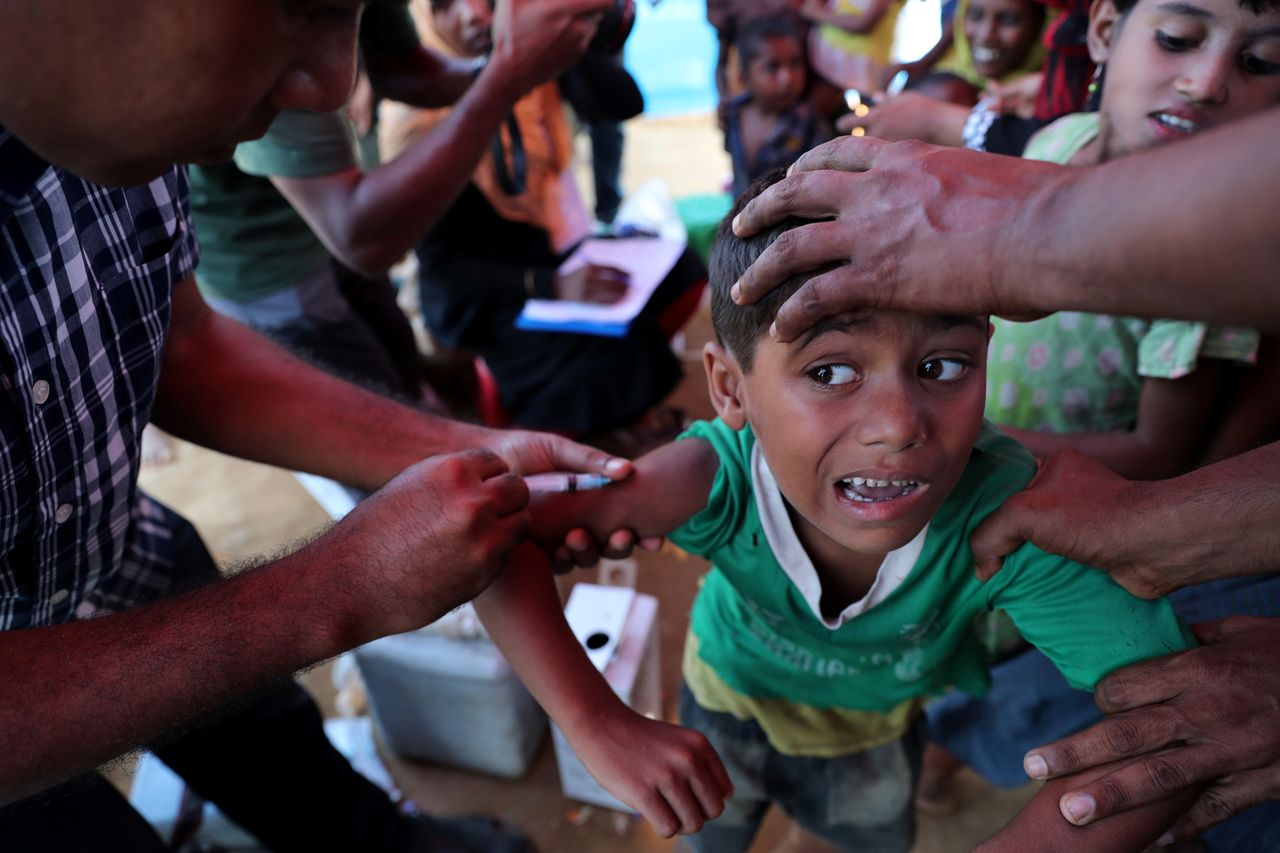
In response, Bangladesh—together with UNICEF and the WHO—has launched an emergency vaccination campaign targeting millions of children, particularly in high-risk areas such as Dhaka and Cox’s Bazar. Health authorities say more than 18 million children have already been vaccinated under the ongoing campaign.
Despite these efforts, experts warn that the outbreak reflects long-standing immunity gaps rather than a single failure—leaving millions of children exposed to a highly contagious but preventable disease.
Measles is a highly contagious viral disease that primarily affects children and can cause severe complications, including pneumonia, brain inflammation and death, particularly among malnourished or unvaccinated children. It remains one of the leading causes of vaccine-preventable child deaths worldwide.