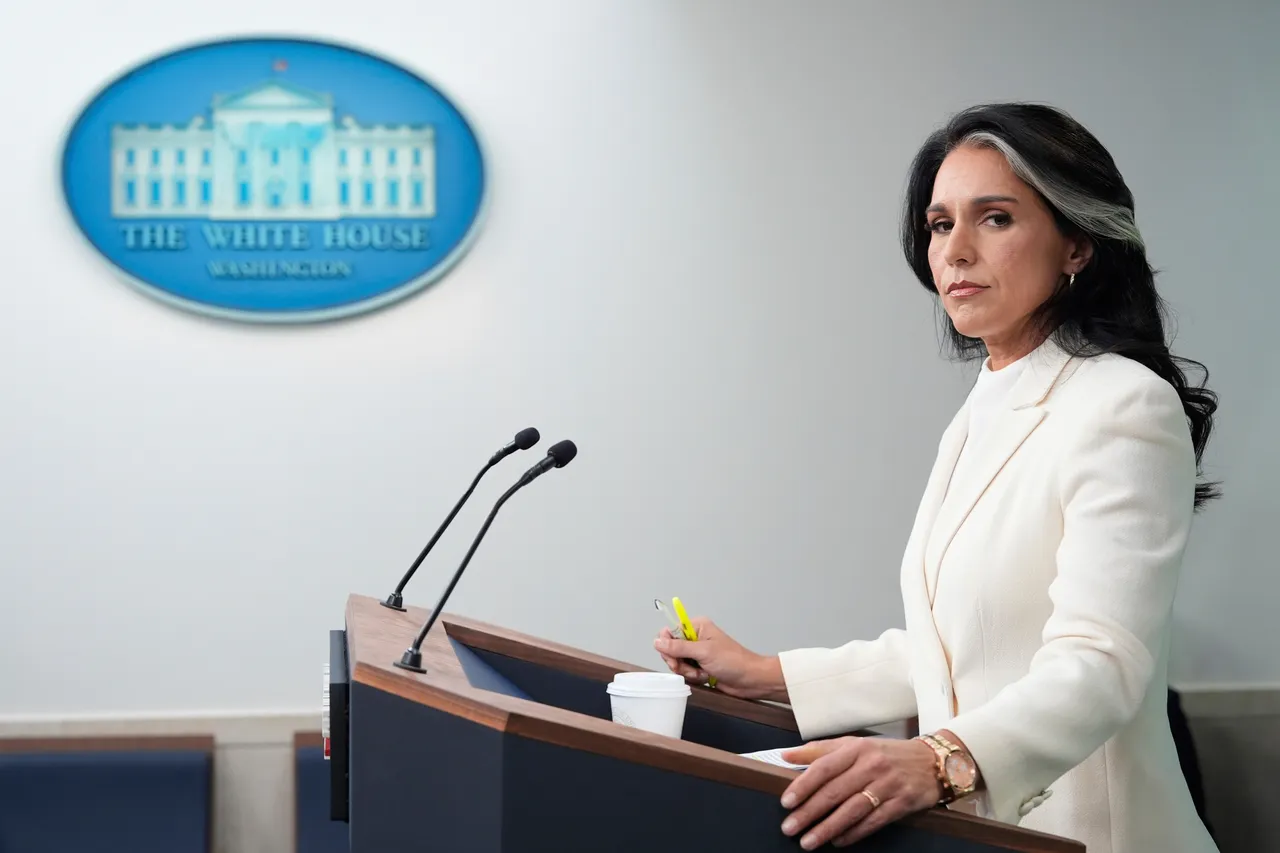
Tulsi Gabbard has resigned as the US Director of National Intelligence (DNI), saying she needed to step away as her husband battles cancer.
“Unfortunately, I must submit my resignation, effective June 30, 2026,” Gabbard wrote in her resignation letter, which she posted on X. “My husband, Abraham, has recently been diagnosed with an extremely rare form of bone cancer.”
US President Donald Trump hailed Gabbard after she made the announcement.
"Tulsi has done an incredible job, and we will miss her," Trump said on his Truth Social network, adding that her deputy, Aaron Lukas, would serve as acting Director of National Intelligence.
There had been rumblings that Gabbard would split with Trump after the administration's decision to strike Iran.
Joe Kent, the director of the National Counterterrorism Centre, announced his resignation in March, saying he “cannot in good conscience” support the war.
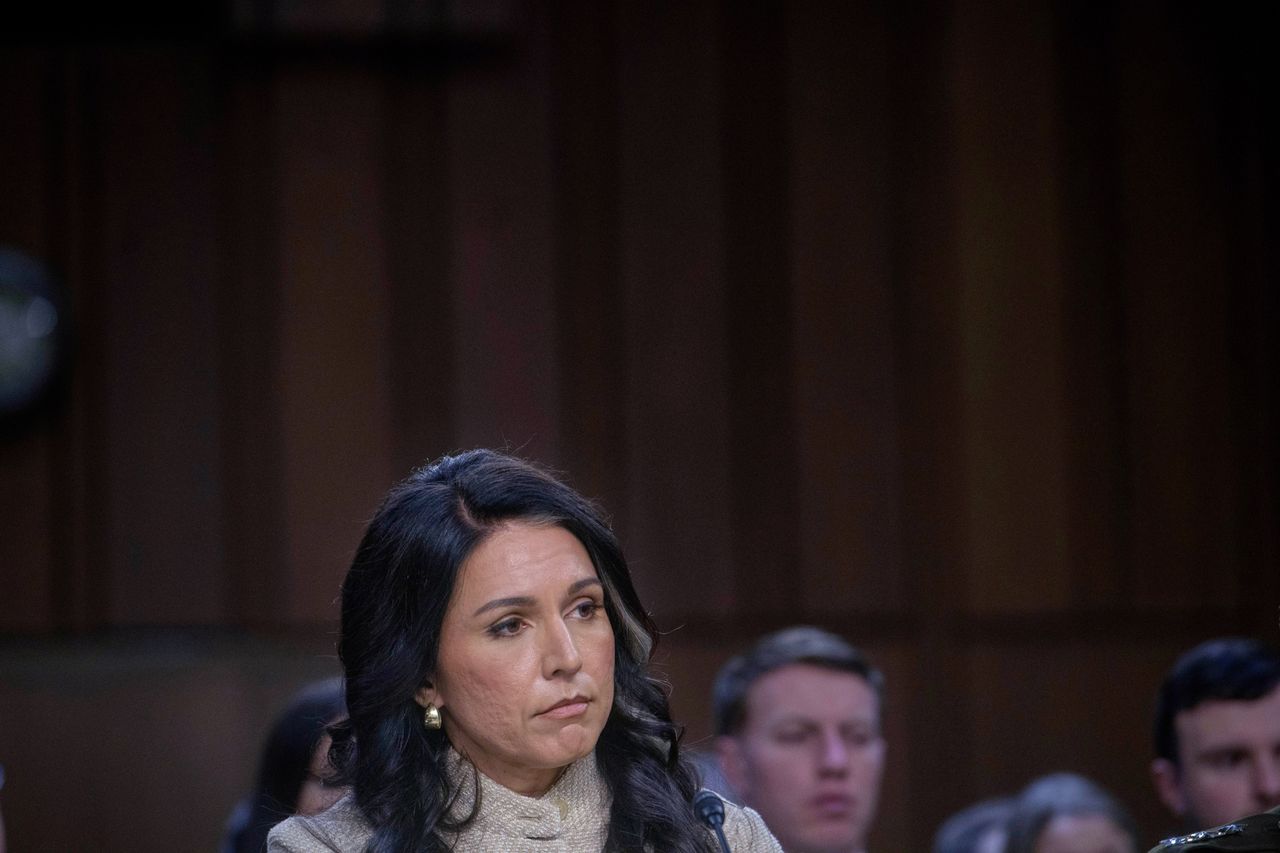
During a congressional hearing in March, Tulsi's measured comments were notable for their careful non-endorsement of the war in Iran.
Gabbard said in written remarks to the Senate Intelligence Committee that there had been no effort by Iran to rebuild its nuclear capability after US attacks last year “obliterated” its nuclear programme.
“It is not the intelligence community’s responsibility to determine what is and is not an imminent threat,” she said.
Surprising choice
Gabbard was a surprising choice to head the Office of the Director of National Intelligence, which oversees the nation’s 18 intelligence agencies.





She ran for president in 2020 on a progressive platform and opposed US involvement in foreign military conflicts.
Two years later, she left the Democratic Party to become an independent, saying her old party was dominated by an “elitist cabal of warmongers” and “woke” ideologues. contributor to Fox News.
Earlier this week, however, she testified to lawmakers during an annual threats hearing that last year’s strikes on Iran’s nuclear sites had “obliterated” their nuclear programme and that there had been no subsequent effort to rebuild.
“It is not the intelligence community’s responsibility to determine what is and is not an imminent threat,” she said at one of this week’s hearings.
Gabbard vowed to eliminate what she said was the politicisation of intelligence by government insiders.
In her year on the job, Gabbard oversaw a reduction in the intelligence workforce and the creation of a new task force she charged with considering major changes to the intelligence service.
Gabbard, 44, was born in the US territory of American Samoa, raised in Hawaii and spent a year of her childhood in the Philippines.
She was first elected at 21 to Hawaii’s House of Representatives but had to leave after one term when her National Guard unit was deployed to Iraq.
As the first Hindu member of the House, Gabbard was also the first American Samoan elected to Congress.
During her four House terms, she became known for speaking out against her party’s leadership. Her early support for Sen. Bernie Sanders ’ 2016 Democratic presidential primary run made her a popular figure.