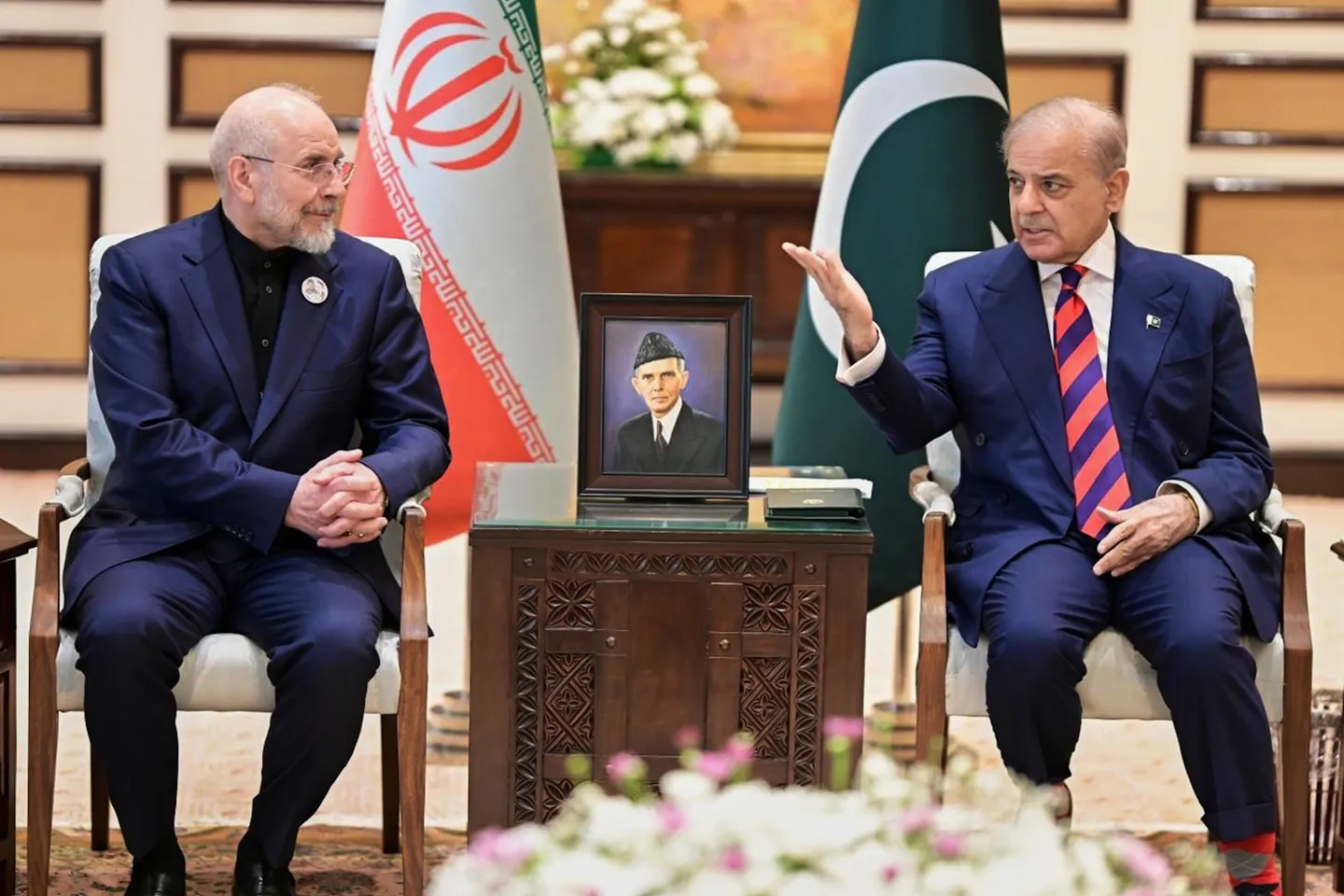
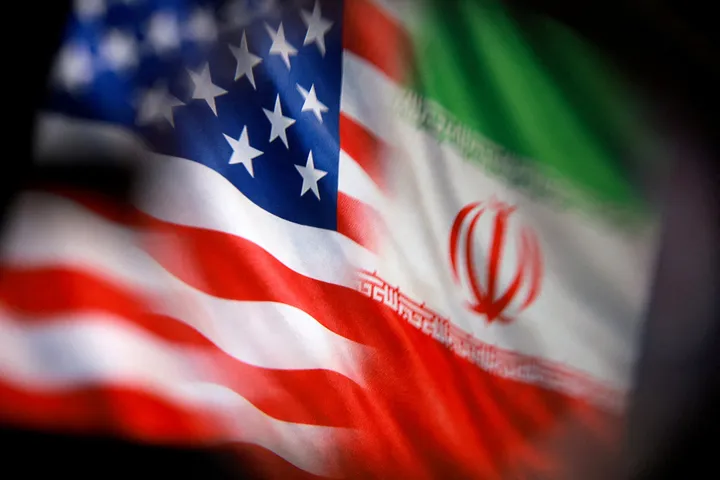
The United States and Iran could finalise an agreement to end the war "within 24 hours", key mediator Pakistan has said, while Iran says the memorandum of understanding with the US is not expected to be signed on Sunday, while noting that the possibility of signing the Islamabad Memorandum in the coming days cannot be ruled out.
"We are closer to a peace deal than ever before," Pakistani Prime Minister Shehbaz Sharif, whose country has played a crucial role in peace talks, wrote on X on Saturday.
"With finalisation likely expected in the next 24 hours, Pakistan is preparing for the electronic signing of the peace deal immediately after, followed by technical-level talks next week."
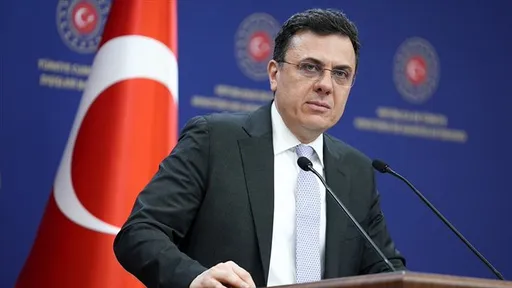
Iran’s foreign ministry spokesperson, Esmaeil Baghaei, has said the memorandum of understanding with the US is not expected to be signed on Sunday while noting that the possibility of signing the Islamabad Memorandum in the coming days cannot be ruled out.
Baghaei stressed that Tehran must remain cautious about commenting on a specific signing date, citing hesitation from the other side and emphasising that developments in the negotiations remain subject to change.
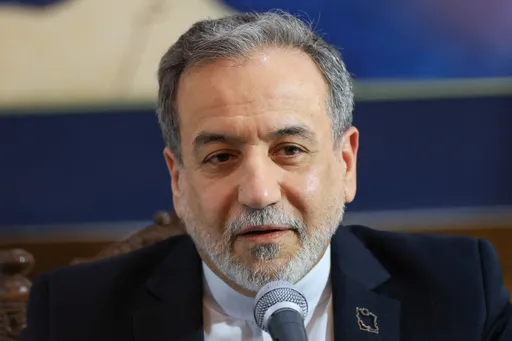
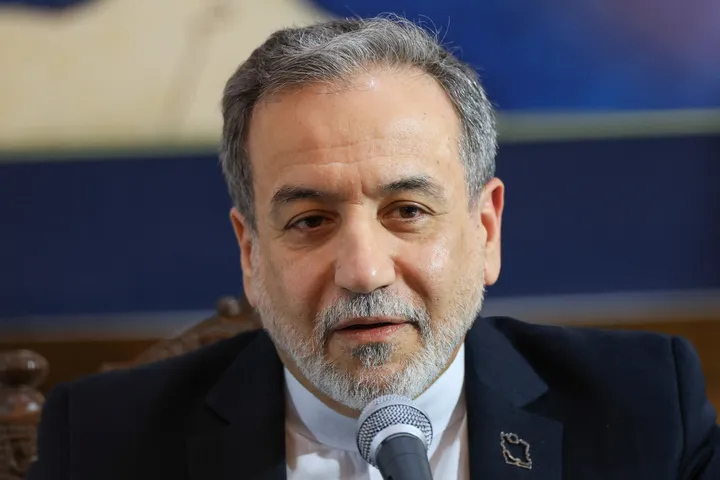
Iran's Foreign Minister Abbas Araghchi had written in a social media post on Friday that "The Islamabad Memorandum of Understanding has never been closer," referring to the Pakistani capital that previously hosted talks.
But the two parties have released starkly conflicting information about the contents of the deal, as they seek to show they have emerged from the war with the upper hand.
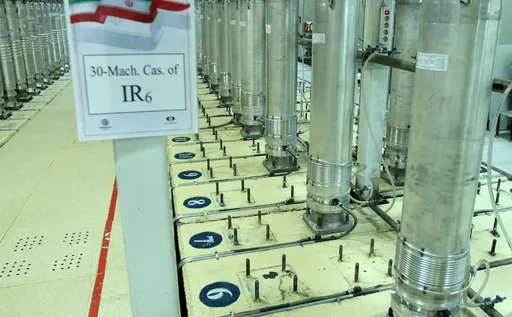
Tehran has insisted on its right to enrich uranium and maintain control over the Strait of Hormuz, which appears sharply at odds with Washington's longstanding red lines.
New clashes broke out in the strait on Saturday, with the United States saying it downed multiple Iranian drones targeting commercial ships.
The military's Central Command (CENTCOM), which oversees US operations in the region, posted on X that Iran had "launched multiple one-way attack drones in an attempt to strike commercial ships transiting the Strait".
"US forces have downed all of them in recent hours as traffic flow through the strait continues unimpeded," it added.

'Dishonourable'
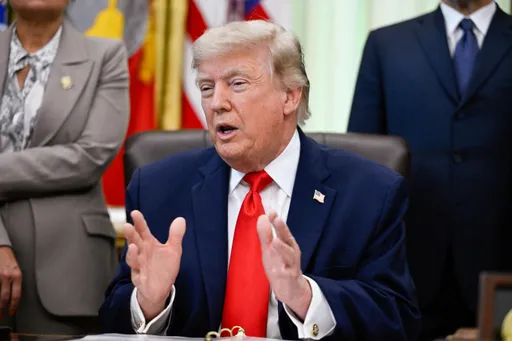
US President Donald Trump on Friday denied that the peace deal being finalised favours Iran.
"The terms that Iran leaked out to the fake news have nothing to do with the terms that were agreed to, in writing," Trump said in a post on his Truth Social network.
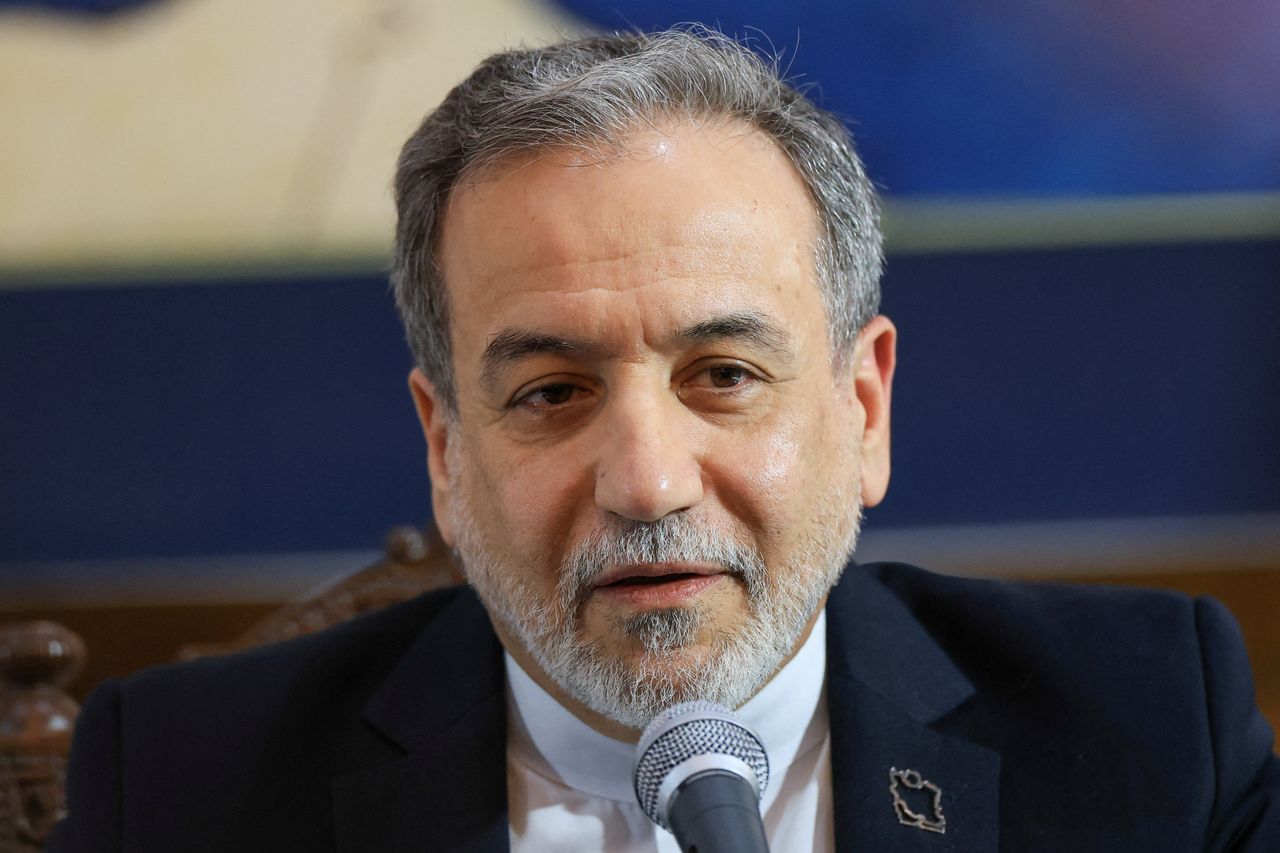
Araghchi urged caution, telling Iranian state media that until a complete agreement was reached on all issues, "it cannot be said with certainty that an understanding has been achieved".
He provided some details on the deal, saying it calls for the lifting of the US naval blockade and unspecified changes to the administration of the strait.
He also said the only way to deal with Iran's enriched uranium, which Washington alleges is part of a nuclear weapons programme, "is to dilute it inside Iran".
The foreign minister added that any deal would be signed "remotely", though Switzerland on Friday said it had proposed it be signed there.
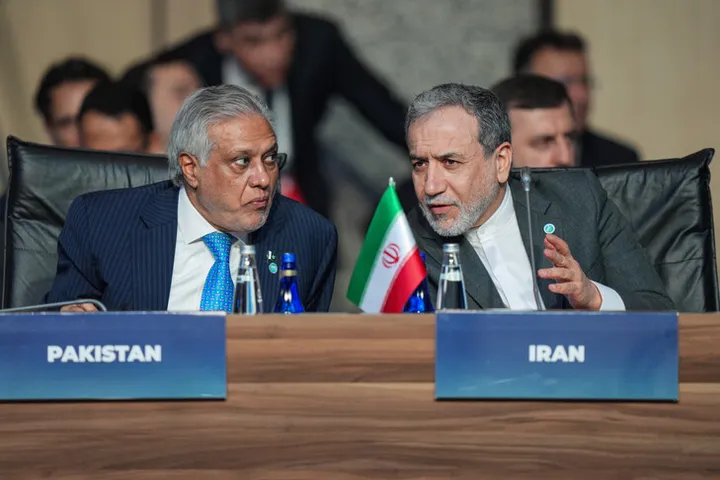
Pakistan's Foreign Minister Ishaq Dar said in a statement Saturday that he had spoken with his Swiss counterpart about the peace process, their second conversation in as many days.
Araghchi on Friday said the deal could be signed "in the coming days", while a senior US official in a call with reporters also voiced optimism it would be sealed "over the next few days".