 Noureldein Ghanem
Washington, DC — One would run out of superlatives trying to describe Spain's heroes and the masterful way the team conducted their entire 2026 World Cup campaign, conceding only one goal — a tournament record.
But their most memorable performance came in an epic clash against the defending champions Argentina on Sunday, played before a roaring crowd at MetLife Stadium in New Jersey New York.
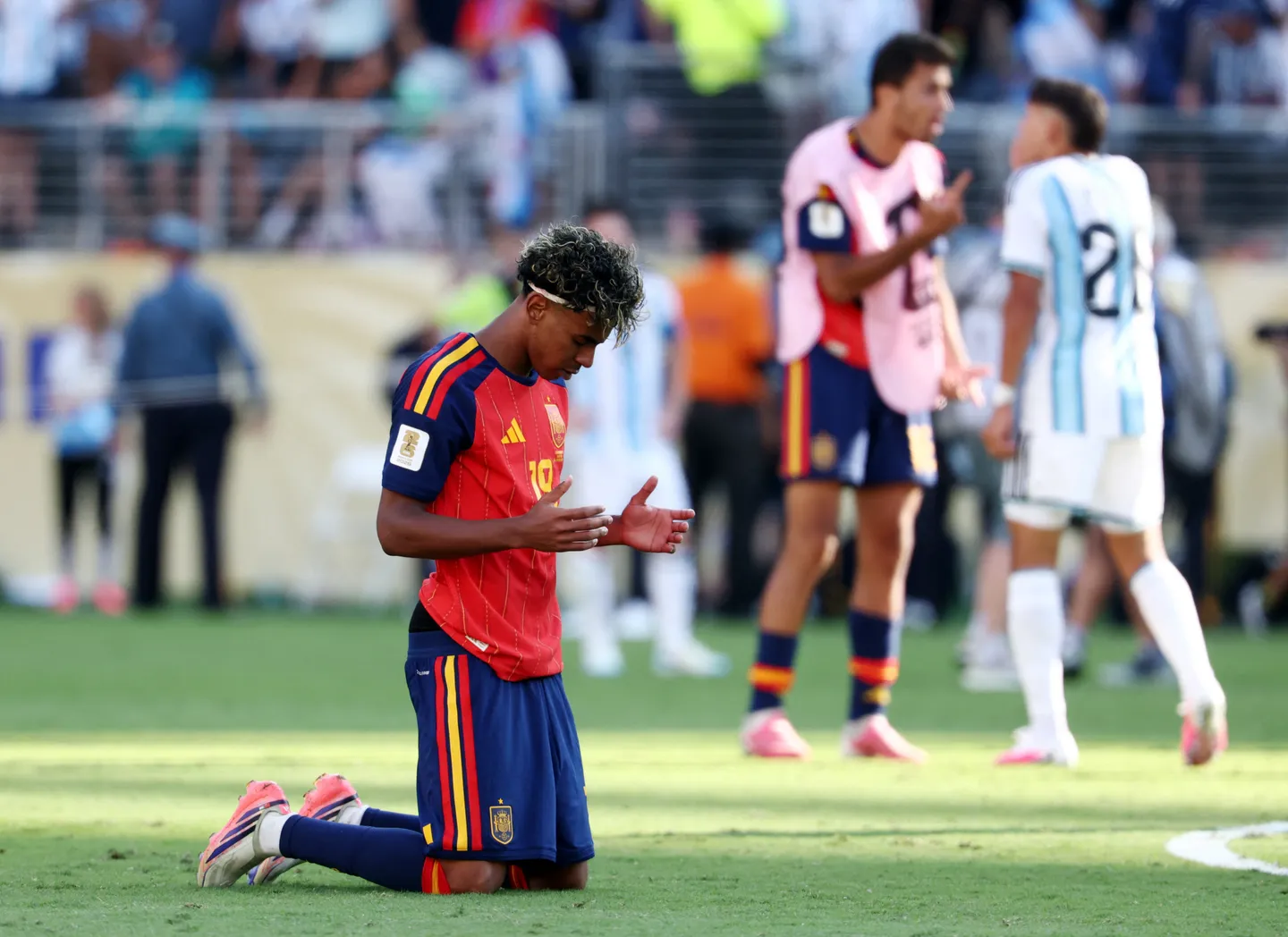
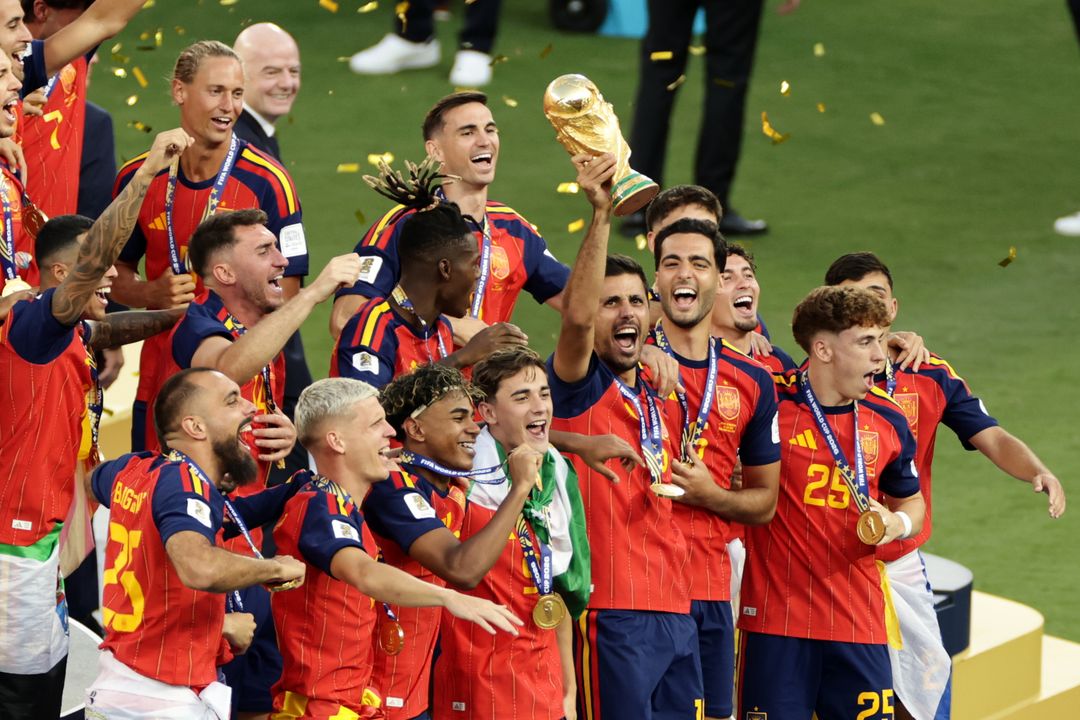
Led by Rodri, La Roja solidified their status among world football's elite by defeating defending champions Argentina 1-0 after extra time in a gripping final, marking only their second World Cup triumph in history and finally ending a 16-year wait since their memorable success in South Africa in 2010.
Ferran Torres emerged as the unlikely hero, coming off the bench to score the decisive goal in the 106th minute after a match in which Spain's patience and persistence finally broke the spine of Lionel Messi-led Argentina.
The triumph mirrored Spain's run in 2010, a draw in the first match, followed by a run of unbroken wins that barely exceeded one goal difference.
In this World Cup too, Spain followed the same philosophy: dominating the pitch, playing the safest play and not showing off.
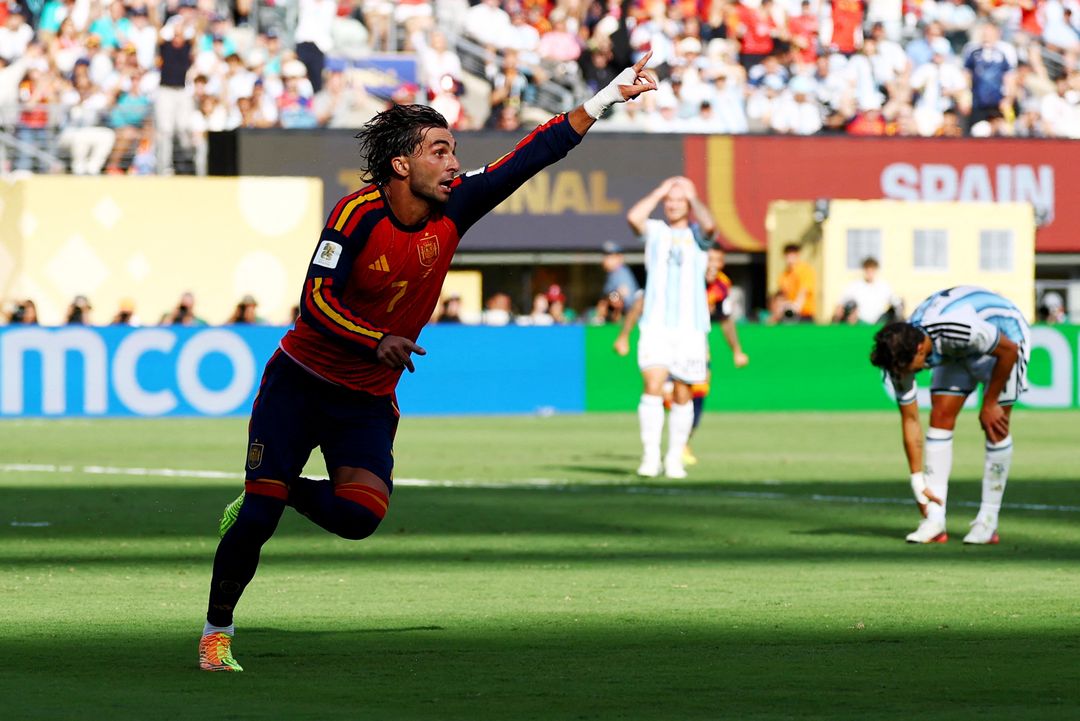
Never give an inch
Since the beginning of the tournament, not one team has managed to decrypt Spain's philosophy in football, which is heavily inspired by Barcelona's Tiki Taka identity.
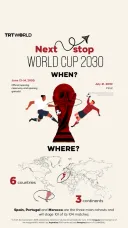
In the preview of the match, TRT World broke down Spain's style of play, based on dominant possession of the ball, midfield superiority, high pressing and wide flank depth.
In the final match, Spain flooded Argentina with all of them at once.
La Roja controlled the ball for long stretches, limiting Argentina's opportunities to dictate the tempo and forcing Lionel Scaloni's side to spend much of the match defending.
In the midfield, Spain consistently outnumbered and outplayed Argentina's central trio, circulating the ball quickly and preventing Argentina from building attacks through the middle.
Once the ball is lost, the Spanish players would press aggressively, forcing Argentina into hurried clearances and misplaced passes rather than allowing them to play out from the back.
With Lamine Yamal taking care of the right flank, Nico Williams was sent on provide balance on the left flank.
Williams constantly attacked one-on-one, pinning Argentina's full-backs deep and preventing them from joining attacks.
This deadly combo made Spain control the entire match almost completely, controlling both flanks and central midfield.
Toothless Argentina create ugly scenes
As TRT World previously explained, once Lionel Messi is pinned, Argentina becomes completely toothless.
Spain's left back, Cucurella, was responsible for marking Messi, and he excelled at his job.
Whenever Messi drifted into the right half-space or towards Spain's left flank, Cucurella stayed tight to him, prevented him from turning, and forced him away from dangerous central areas.
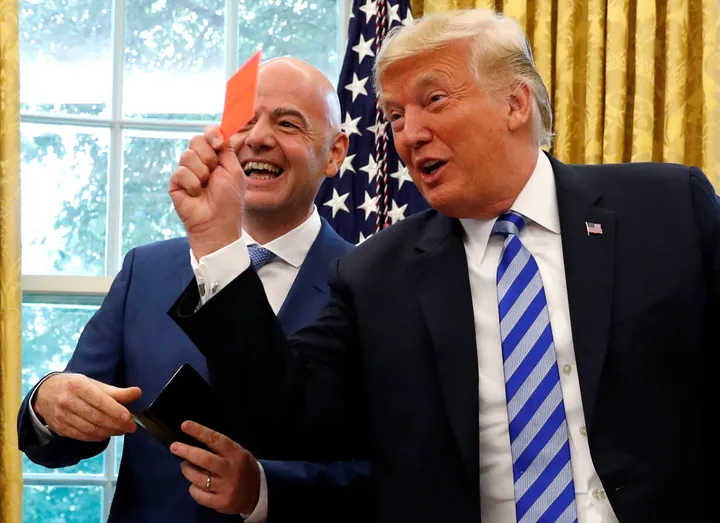


The two also had several verbal exchanges, including the late incident where Messi appealed for Cucurella to be punished after Enzo Fernandez's red card.
Argentina's midfield trio, Alexis Mac-Allister, Enzo Fernandez and De Paul, all of them are central midfielders, with barely any of them taking attacking midfielder (playmaker) responsibility.
The absence of a proper playmaker made Argentina struggle in the last third, with all of the build-ups fumbling before reaching anywhere near Spain's box.
This, along with the pinning of Messi, totally isolated Argentina's forward line from the midfield.
Besides their football, Argentina relied heavily on physical and aggressive tactics throughout the match — committing fouls, grabbing bodies, pulling jerseys, and engaging in constant verbal confrontations.
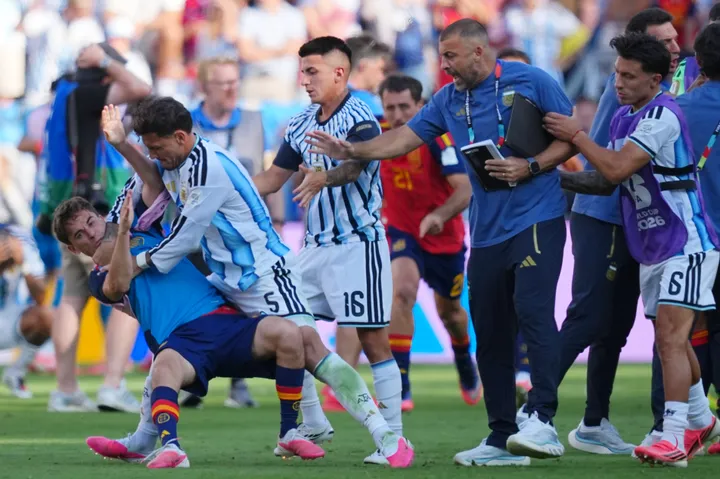
Even after the final whistle confirmed Spain's victory, tensions spilled over.
Angry Argentine players clashed with their Spanish counterparts, exchanging heated words and pushing each other. In one particularly unsavory moment during the post-match chaos, Argentina’s Leandro Paredes grabbed Spain's Eric Garcia by the neck.
Then there was Messi's unsportsmanlike attempt to get Marc Cucurella sent off. The Argentine captain was also caught trying to move the ball forward several metres during a free kick, but the referee immediately stopped him.
Argentina's players also stood with their backs turned to the presentation while Spain lifted the World Cup, facing their own fans instead. This was widely slammed as classless and unsportsmanlike act by the Argentina squad.
Smarter substitutes, superior tactics
Spain, on the other hand, knew what to do and exactly when to do it.
After taking the lead, Spain slowed the tempo when necessary, retained possession under pressure and forced Argentina to expend energy chasing the ball.
Even when Argentina pushed forward late in the match, Spain maintained their shape, cleared dangerous deliveries and denied clear scoring chances.
Spain's substitutes maintained the intensity and energy levels, allowing them to continue pressing and controlling possession in the closing stages while Argentina struggled to change the momentum.
The best example of this is Williams and Torres. Williams provided a refreshing and much-needed exploit on the left flank, and even scored a goal that was disallowed for a foul.
Torres scored the winner and another goal that was disallowed for offside.
The victory capped a remarkable tournament for Spain, who combined the possession-based philosophy that has long defined their football with a more direct and dynamic attacking approach led by a new generation of stars.
After eliminating Portugal, Belgium and France in the knockout rounds, Spain overcame the holders in the final to complete one of the toughest routes to the title.
For Argentina, the defeat brought an emotional end to their reign as world champions and likely marked Messi's final World Cup appearance.
Despite another resilient run to the final, Lionel Scaloni's side struggled to impose themselves against Spain's relentless control, falling just short of becoming the first nation since Brazil in 1962 to successfully defend the men's World Cup.
Instead, the night belonged to Spain, whose second world title confirmed the country's return to the summit of international football under De la Fuente's youthful and fearless squad.