 Sabir Askeroglu
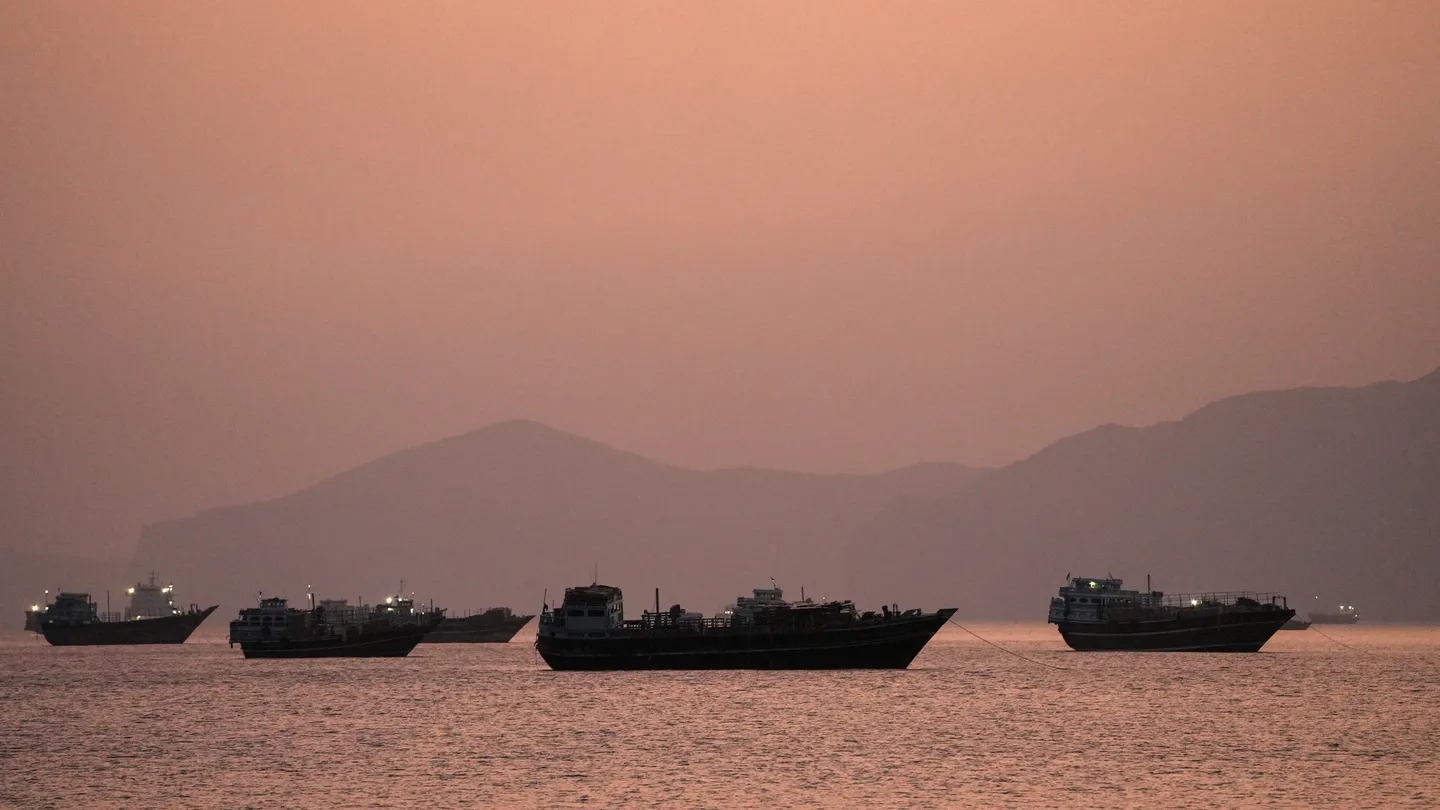
The Strait of Bab el-Mandeb, the Strait of Hormuz, the Red Sea, and the Gulf of Aden represent not only key geopolitical hubs in the Middle East, but also critical elements of the global energy supply chain and international trade.
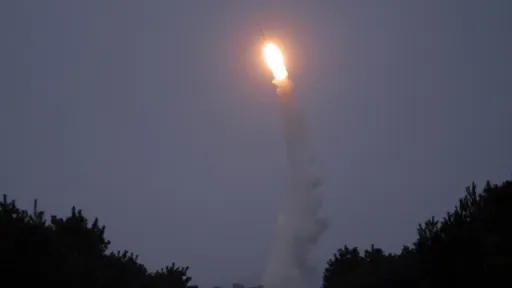
Growing attacks by Iran-backed proxy groups, including Houthi actions against international shipping, threats to energy infrastructure, and the deepening US-Iran stand-off in recent times, have turned the region into one of the most vulnerable areas of global security.
Since the end of the Cold War, the security architecture of the Gulf of Basra has largely been built around the military presence of the United States.
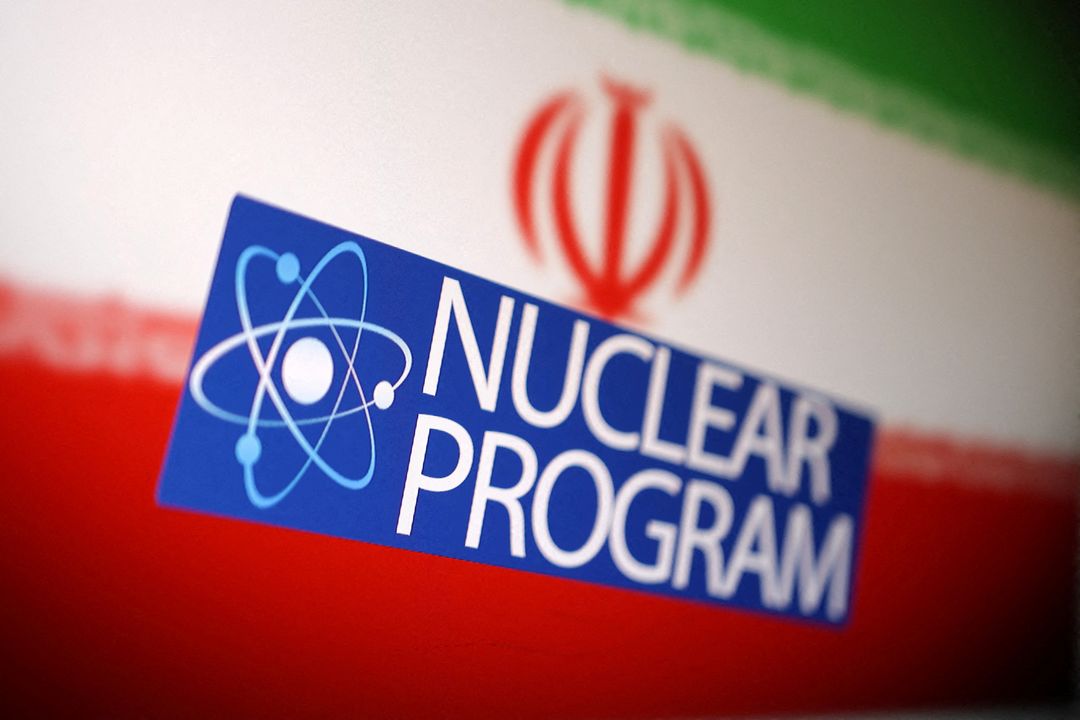
The Gulf monarchies, faced with the development of the Iranian nuclear programme and the strengthening of Tehran's regional influence, relied on American security guarantees.
However, recent events increasingly indicate that the existing model no longer fully corresponds to the nature of new threats.
Today, the main danger lies not only in the possibility of interstate war.
Disruption of maritime transport routes, risks to energy supplies, the spread of proxy conflicts, and attacks on international trade have greatly expanded the very understanding of security.
In modern conditions, security is increasingly closely linked to economic stability and the protection of international trade corridors.
That is why a new geopolitical balance is gradually taking shape in the Middle East.
On the one hand, Iran and the armed groups it supports use sea communications and transport corridors as an instrument of strategic pressure.
On the other hand, the Gulf states are striving to form collective security mechanisms capable of protecting international trade routes.
Israel views regional security not as a system of collective security, but primarily through the prism of its own national interests, considering the strategic weakening of its adversaries to be one of the key elements of its own security concept.
In this logic, Israel often seeks to use the regional influence of the US to advance its own strategic interests.
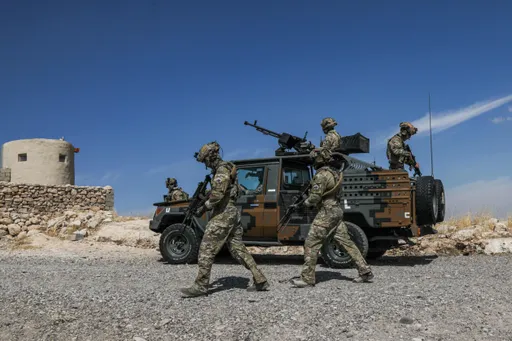
The US, in turn, while maintaining a military presence in the Middle East, is increasingly seeking to redistribute the burden of ensuring regional security among its allies.
What the Middle East needs right now
At this juncture, the volatile region needs a new paradigm, one that does not simply imply ousting the US from the region.
On the contrary, given the network of US military bases in the Gulf countries, the operational capabilities of CENTCOM, air and missile defence systems, as well as the permanent presence of the US Navy, Washington will remain one of the key elements of the regional security architecture for a long time to come.
Consequently, the proposed model is based not on replacing the American presence, but on a more rational distribution of responsibility between the US and regional states.
With this approach, the main burden of ensuring day-to-day regional security will gradually shift to regional states, while the US will retain the role of a strategic guarantor, providing military-technical, intelligence, and operational support.
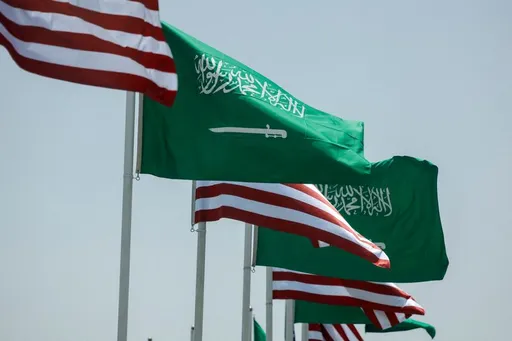
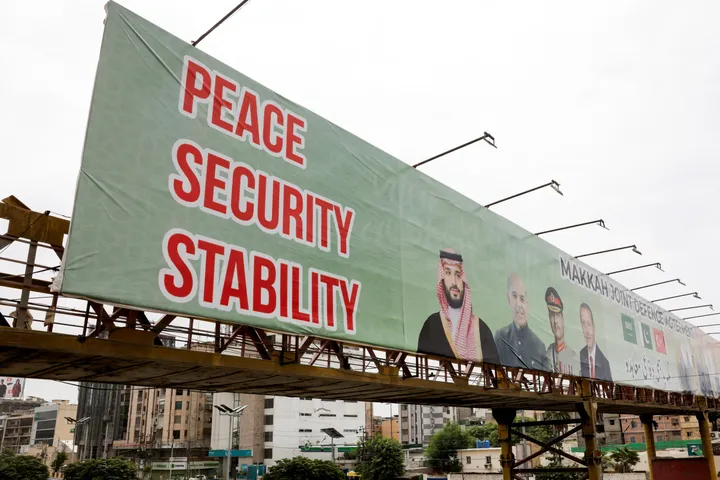
On July 30, Saudi Arabia announced the ‘Multinational Maritime Defence Alliance’ initiative, which received official support and approval of the draft charter from 14 states, including Türkiye.
This initiative should be seen not only as a military response to the Houthi attacks, but also as one of the first institutional steps towards the formation of a new security architecture in the Gulf of Basra.
However, all of this raises a much more important question. Can new military alliances by themselves ensure long-term security in the Middle East? In my opinion, the answer is no.
The problem is that today's security threats in the Middle East are multidimensional.
Terrorism, proxy wars, energy security, the protection of maritime communications, and economic sustainability do not exist in isolation. Consequently, the security system has to be built as a multi-level and complex model.
That is why it is advisable to go beyond the classical understanding of military alliances and propose a model of strategic division of responsibility.
Unlike traditional alliances, which primarily answer the question "Who will fight with us?", the proposed model is based on a different principle: "What contribution can each participant make to ensuring common security, based on its capabilities?"
According to the model of strategic division of responsibility, regional security should not be based on the equal participation of all states, but on the distribution of functions in accordance with the military, economic, and geopolitical potential of each participant.
Thus, Türkiye can contribute thanks to its developed military-industrial complex, naval capabilities, logistics infrastructure and diplomatic mediation potential.
Saudi Arabia, thanks to financial resources, air forces and a network of naval bases. Egypt, thanks to control of the Suez Canal and the presence of significant ground forces. And Pakistan, due to the nuclear deterrence potential and a developed system of military education.
The Gulf states will be able to ensure the stability of the overall security system through their energy infrastructure and port network. In such an architecture, no state is the only guarantor of security.
On the contrary, regional security is shaped by the complementary contributions of states with different capabilities and specialisations.
The effectiveness of this model depends primarily on a clear definition of the common strategic interest.
Such an interest should not be the security of an individual state, but ensuring the uninterrupted functioning of international trade, sea communications and key transport corridors.
This understanding of a common goal can minimise contradictions between coalition members and create a stronger basis for long-term cooperation.


Like any institutional system, the proposed model assumes the presence of its own decision-making mechanism. At the initial stage, the most effective decision-making seems to be by a majority of votes, which will ensure the necessary efficiency in crisis situations.
With the institutional strengthening of the coalition, a gradual transition to a consensus model of decision-making is possible, which will make it possible to take into account the interests of small and medium-sized states to a greater extent and thereby increase the level of their confidence in the overall security system.
As a result, this architecture can turn into a more inclusive mechanism that takes into account the interests of all participants, not just the most influential states.
In practice, the model can be based on a pre-agreed distribution of responsibility between the coalition members.
Each state assumes a leading role in ensuring the security of those maritime areas and transport corridors where it has the greatest naval, logistical and operational capabilities.
In the event of a crisis, the remaining actors provide support through joint naval operations, intelligence sharing, military-technical cooperation, diplomatic coordination, logistical support, and the use of necessary economic response mechanisms.
This approach makes it possible to combine the potential of the participating states without creating a single supranational military structure.
In other words, states participate in collective security not on the basis of the principle of equal participation, but in accordance with their comparative advantages, resources and specialisation.
It is the functional distribution of responsibility that forms the conceptual basis of the proposed model of strategic division of responsibility.
How Türkiye fits in?
From Türkiye's point of view, the formation of a new security architecture in the Middle East should be based on three key principles.
First, Ankara's top priority is to prevent regional geopolitical competition from escalating into a direct armed confrontation between states.
Long-term instability directly affects Türkiye's energy security, the functioning of international transport corridors and its economic interests.
Second, the new regional security system should be focused not on isolating or containing any individual state, but on maintaining the regional balance of power and creating conditions for long-term stability.
Otherwise, the formation of any new military-political bloc will inevitably provoke the emergence of counter-coalitions and further deepen the classic security dilemma.
In the long term, the proposed security architecture should remain open to other regional actors, including Iran.
If Tehran is willing to make a constructive contribution to ensuring the safety of international shipping, reducing regional tensions, and maintaining stability, its involvement may be focused not so much on the military component of the new system as on diplomatic mechanisms for crisis management, securing maritime communications, and preventing the escalation of conflicts.
At the same time, such participation is likely to require adjustments to Iran's foreign policy priorities and its approaches to regional security issues.
Third, regional security mechanisms being formed without Türkiye's participation are unlikely to be sustainable in the long term. The reason lies not only in its military potential.
Türkiye remains one of the few regional actors capable of simultaneously maintaining a dialogue with the Gulf countries, Iraq, Syria, Pakistan and Western states, while maintaining significant military and diplomatic potential.
That is why Türkiye's role should not be limited to single-handedly ensuring the security of the Gulf of Basra.
Such an approach would be prohibitively costly for Ankara itself and could also provoke new discussions about the redistribution of the regional balance of power.
Türkiye's main contribution lies in its ability to act as a balancing actor, contribute to the formation of collective security mechanisms, and combine military, diplomatic, and technological tools in the interests of regional stability.
Consequently, the model of strategic division of responsibility considers Türkiye not as the only guarantor of regional security, but as one of the key balancing actors capable of contributing to the formation of a collective security system.
This approach is based not only on Ankara's military potential, but also on its practical experience.
The Black Sea Grain Initiative, mediation efforts between Russia and Ukraine, as well as Türkiye's military-political and diplomatic experience in Libya and the South Caucasus testify to its ability to simultaneously perform the functions of deterrence, mediation and regional balancing.
Türkiye now has one of the widest ranges of military, diplomatic and mediation tools among the states in the region. This is what objectively expands its potential as one of the key participants in the emerging regional security architecture.
The changes taking place in the Middle East today require not only the creation of new military alliances, but also a rethinking of the very concept of security.
Today, it is not important who is stronger, but what contribution each participant can make to ensuring collective security.
If a stable and long-term security system is to emerge in the Middle East, it should probably be based not on the traditional logic of military-political alliances, but on a model of strategic division of responsibilities based on the distribution of functions in accordance with the capabilities of each participant.
(This article was first published on TRT Russian)