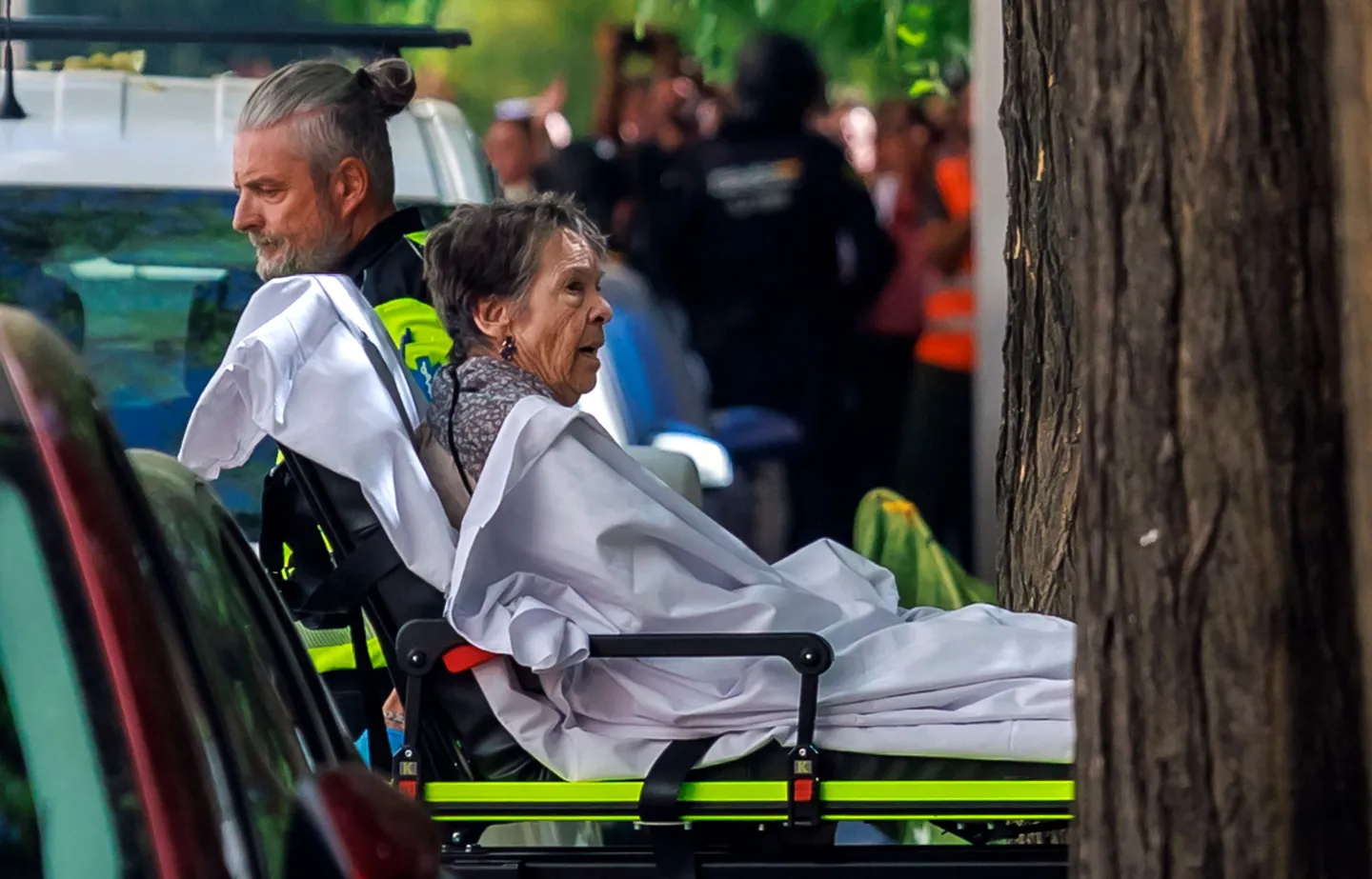
Maricarmen Abascal, the 87-year-old woman whose eviction from her longtime Madrid home sparked housing protests across Spain, died on Wednesday.
She died at a Madrid hospital, where she had remained since her September 23 eviction, according to a joint statement from the Madrid tenants’ union, her family and her lawyer, reported by Spanish media.
“Although a historic agreement was reached that would have allowed her to return to her home, this solution came too late,” the statement said.
Known publicly as Maricarmen, she had lived for around seven decades in the apartment in Madrid’s Retiro district.
She was taken from her home on a stretcher and hospitalised after police carried out the eviction despite crowds trying to prevent it.
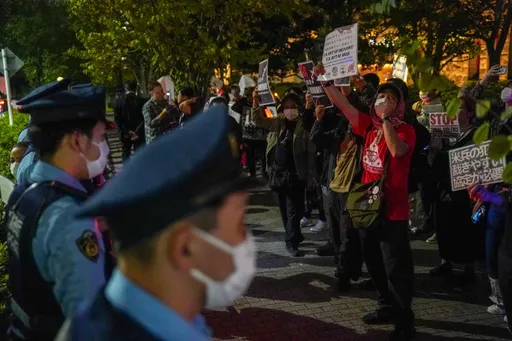
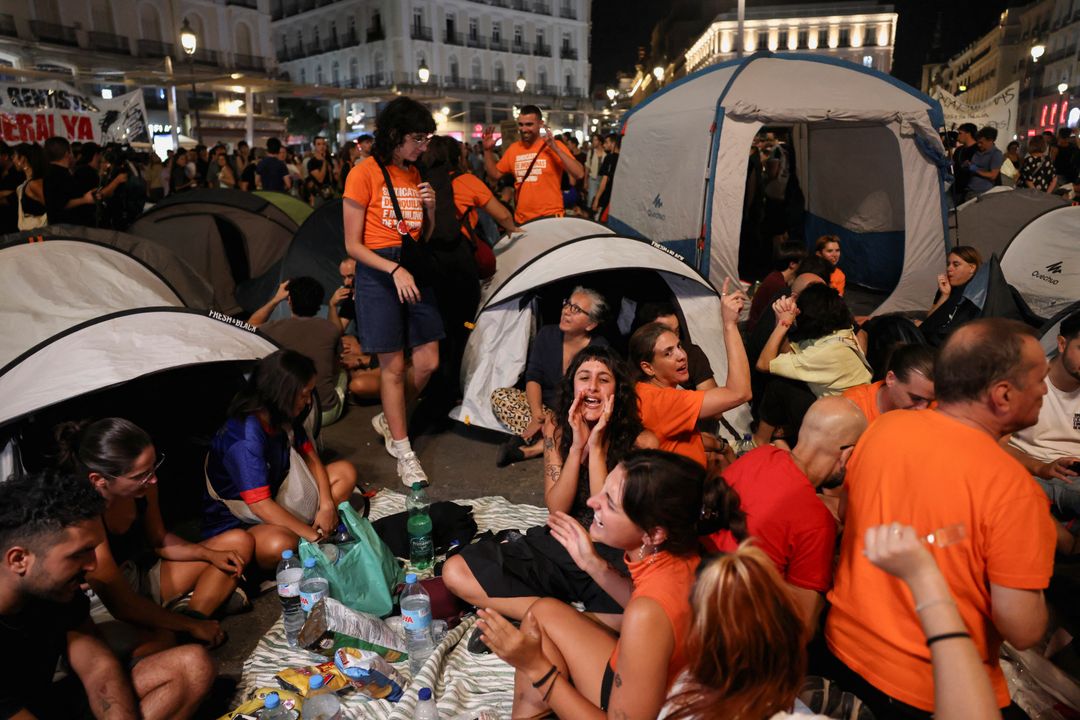
Her removal galvanised demonstrations and protest camps, turning her into a symbol of the country’s housing crisis.
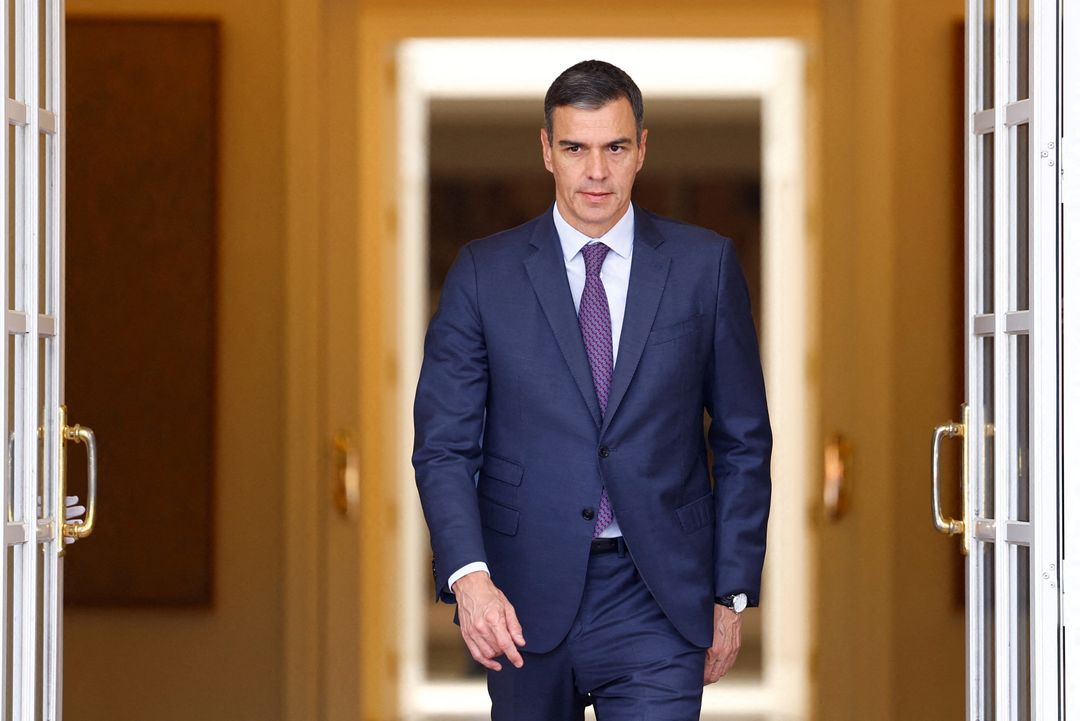
Her case became a rallying point as the government sought stronger tenant protections. Prime Minister Pedro Sanchez announced early elections for November 29 following parliament’s rejection of housing measures.
The government approved two revised housing decrees this week, while unions prepared a housing-related general strike for November 11.
The statement announcing Maricarmen’s death said the mobilisation had marked a turning point but added that “the cost of getting here has been far too high.”
She had spent years fighting efforts by the property’s owner, Urbagestion, to evict her.
According to El Pais newspaper, she received a monthly pension of €1,400 ($1,567), while the company sought rent of €1,600. She had continued paying her longstanding rent and bills, totaling around €500 a month.








Public pressure eventually led the company to agree to a new rental arrangement that would have allowed her to return. She never made it home.
She had described how the prolonged dispute affected her health.
“It has affected every aspect of my life. I’m not myself anymore,” she told El Pais two days before the eviction.
From the hospital, she continued encouraging protesters who had gathered in Madrid’s Puerta del Sol and other Spanish squares.
“I would like to be there with you, accompanying you in your camp, in your struggle, but I don’t have that good fortune,” she said in a message reported by the newspaper.
“Fight, defend what is yours and, please, take care.”
After simmering below the surface for years, anger at unaffordable housing in Spain has bubbled over and precipitated a general election that will be dominated by the crisis.
As in many other European countries, housing has long been a top public concern, particularly for young adults who are priced out of the market and stay with their parents into their 30s and beyond.
Growth in housing prices has far outstripped wages in recent years, eating up far more than the upper limit of 30 percent of income recommended by public bodies and housing professionals.
According to the latest figures by the National Statistics Institute (INE), the average gross monthly salary in Spain is around 2,460 euros ($2,750).
Renting a 50-square-metre (538-square-foot) apartment in Madrid cost on average 1,170 euros per month in September, according to real estate portal Idealista, around half of an typical income.