Countries and international health authorities are pressing Russia for greater transparency over the reported death of a laboratory technician in Siberia, as Moscow insists there is no evidence of an epidemic and says the cause of death remains undetermined.
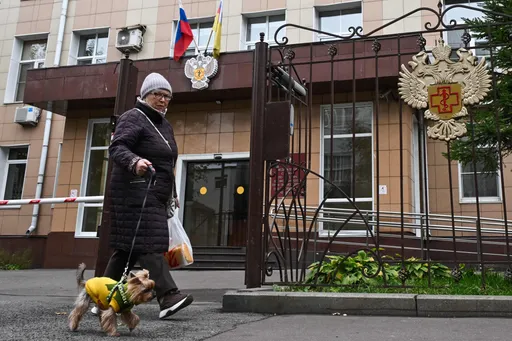
The international response follows reports that a 28-year-old woman working at the Irkutsk Anti-Plague Research Institute died on October 2 after being hospitalised with severe pneumonia.
Russian authorities have said she died of pneumonia and that the cause has not been established, while reports that she contracted pneumonic plague have not been independently confirmed.
Russia’s health agency said on Wednesday that there were “no epidemic risks” and rejected suggestions of a confirmed plague outbreak.
Here’s how the international community is reacting to the accident.
US and WHO seek more information
The United States has formally asked Russia for information about the reported death, according to a source familiar with the matter.
US Secretary of State Marco Rubio has called for Moscow to be transparent about the incident, while President Donald Trump said he expected to speak with Russian President Vladimir Putin.
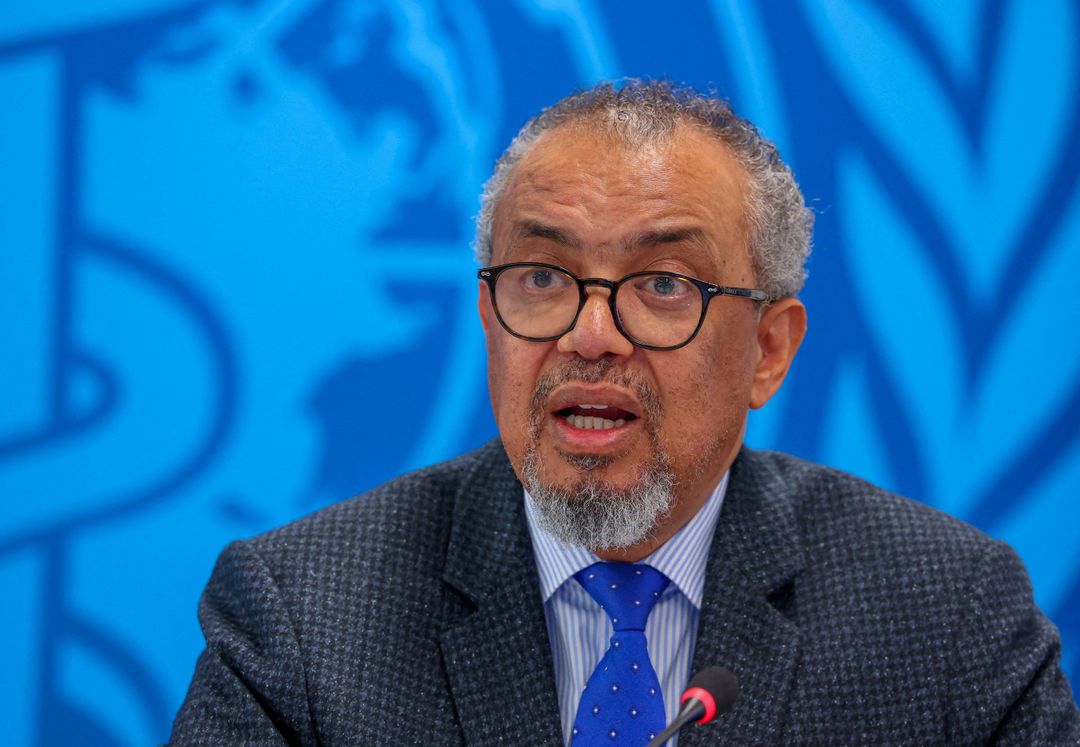
The World Health Organization (WHO) has also requested additional information, including reports of a second employee suffering from pneumonia of undetermined cause.
WHO chief Tedros Adhanom Ghebreyesus said transparency was necessary to properly assess any potential public health risk and said the organisation was ready to provide technical assistance if requested.
The WHO said it was following reports that the laboratory worker had died after severe pneumonia and that initial media accounts had suggested pneumonic plague following an alleged accidental laboratory exposure.
EU calls for reliable findings
The European Union has urged Russia to provide “timely and transparent reporting” on the incident.
European Commission spokeswoman Eva Hrncirova said the bloc wanted reliable epidemiological and microbiological findings and was following the situation closely in coordination with experts from the European Centre for Disease Prevention and Control.








The EU's response reflects wider concern over the lack of independently confirmed information about the reported case.
China in close contact
China said it remains in close contact with Russia on infectious disease prevention, including plague.
Foreign ministry spokesman Guo Jiakun said Beijing and Moscow maintain regular cooperation on preventing and controlling infectious diseases when asked whether Russia had sought assistance from Chinese authorities or experts.
China did not indicate that it had identified a public health threat linked to the reported death.
Neighbours step up precautions
Lithuania said it could consider restricting the transit of Russian citizens if a pneumonic plague case were confirmed and posed a threat, although Health Minister Linas Kukuraitis stressed that the reported case had not been independently verified.
Lithuania's National Public Health Centre said there was currently no increased risk of plague infection in the country. Kukuraitis said any response would be coordinated with the EU and that Lithuania had procedures and sufficient medical supplies to respond to a potential outbreak.
Mongolia, which shares a border with Russia, has taken a precautionary approach. Its health ministry ordered increased health surveillance along the border, while stressing that the current risk level remained low.
Border crossings in Selenge Province are operating normally, Mongolia said, with health monitoring measures in place.
Russia says there is no epidemic risk
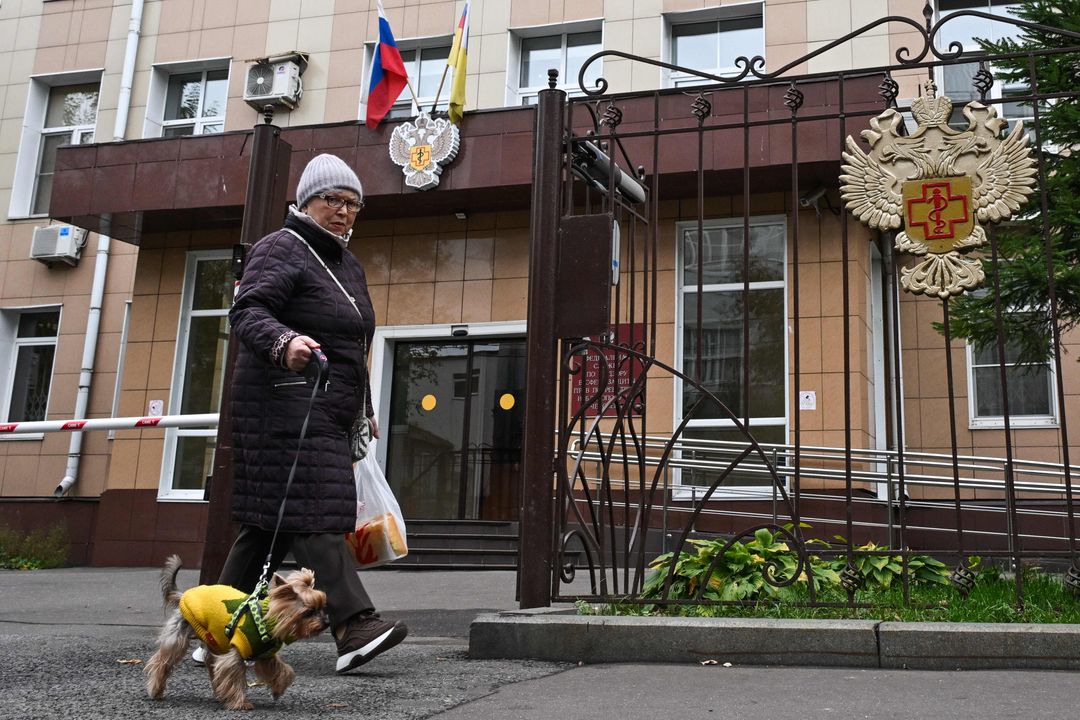
Russian authorities have sought to calm concerns surrounding the reports, rejecting suggestions that anti-plague measures were being imposed.
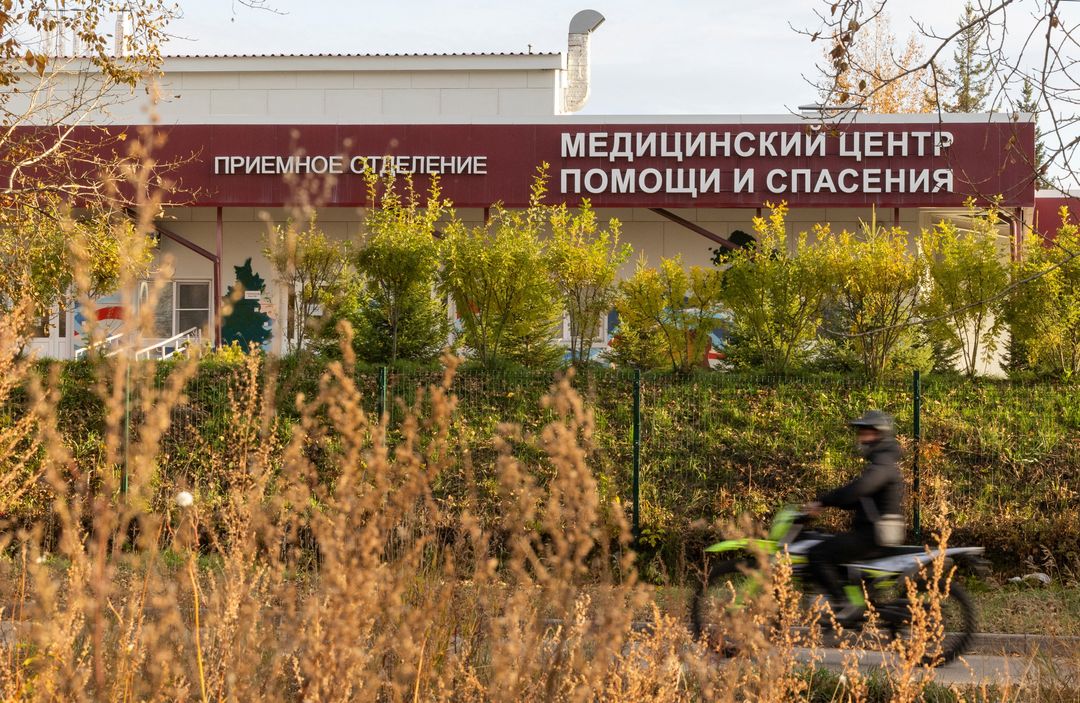
The reported death has nevertheless triggered international calls for clearer information, particularly because the woman worked at a facility specialising in plague research.
For now, there is no independent confirmation that the woman died from plague, and the available information does not establish that an outbreak has occurred.
International health authorities are seeking further epidemiological and laboratory data before assessing the potential risk.