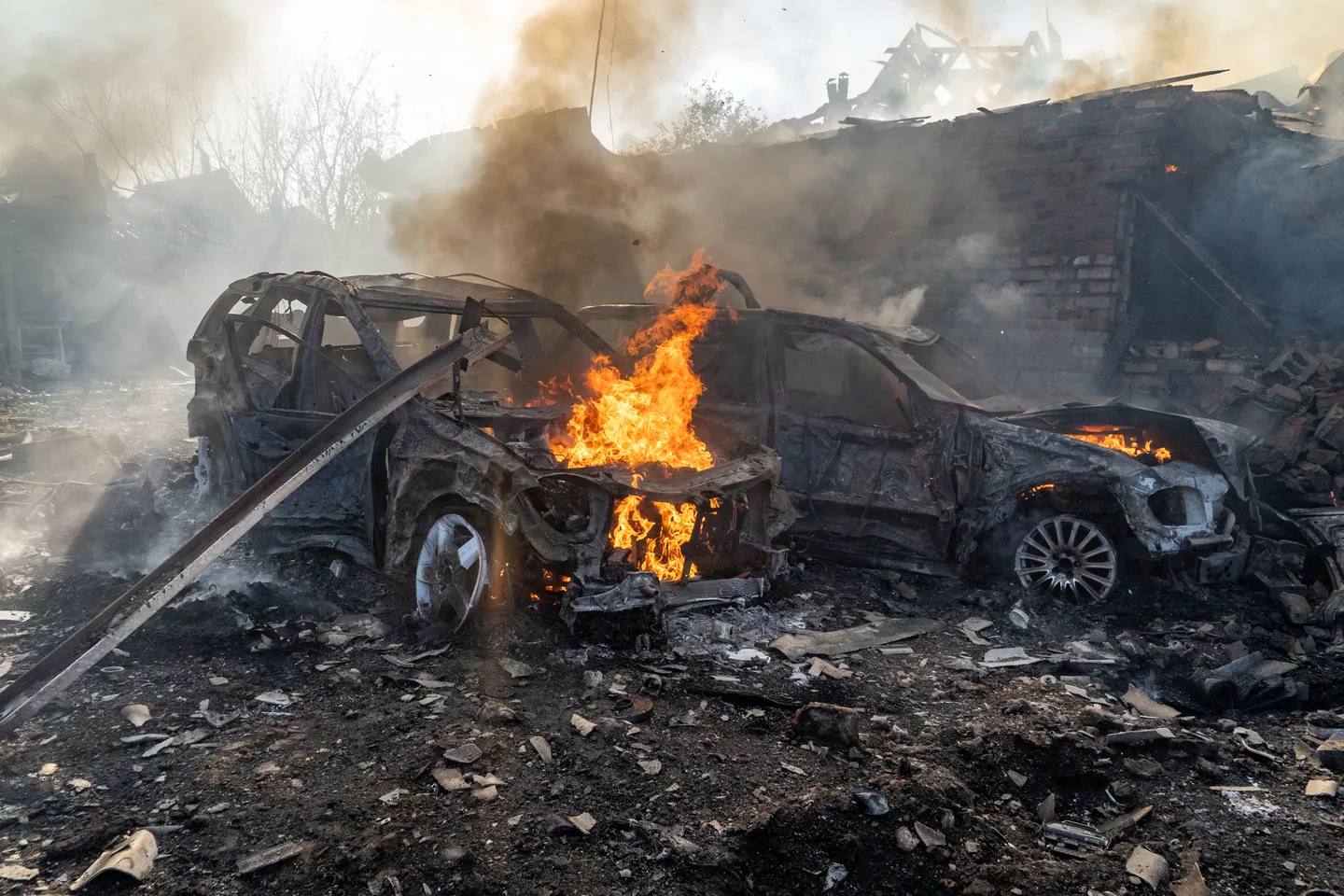
Fighting between Russia and Ukraine has intensified markedly since early September, expanding in both frequency and geographic scope as each side targets strategic infrastructure, transport arteries, and energy networks, whilst reigniting dangerous nuclear friction between Moscow and NATO.
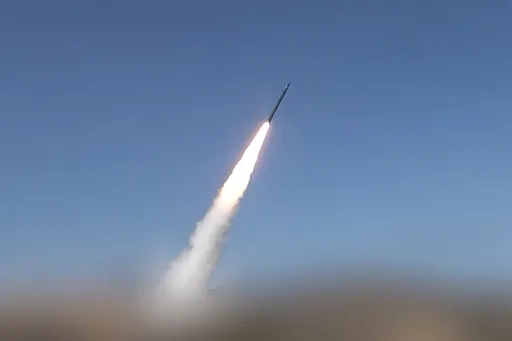
Russian forces have sharply stepped up bombardment against Ukrainian railway junctions, bridges, maritime ports, electrical installations, and transit corridors—striking sites near the Polish frontier as well as the capital, Kiev.
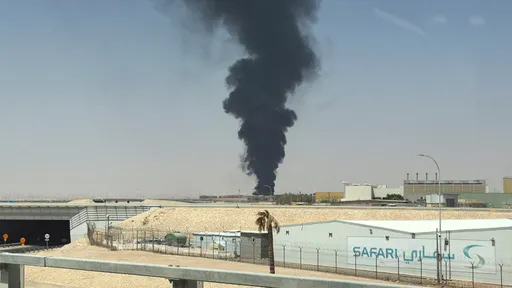
Ukraine, meanwhile, has pressed deep cross-border drone incursions into the Russian Federation, hitting oil refineries, commercial logistics hubs, military air bases, and air-defence installations.
Both governments deny deliberately targeting civilian infrastructure, maintaining that operations focus exclusively on military assets or associated logistical chains.
The surge in hostilities has simultaneously heightened tensions around the Baltic Sea.
Moscow has issued stark warnings to NATO that it stands ready to deploy its entire arsenal, including nuclear weapons, should the Western military alliance attempt to isolate or blockade Russia's westernmost semi-exclave of Kaliningrad, which is bordered by Poland, Lithuania, and the Baltic Sea.
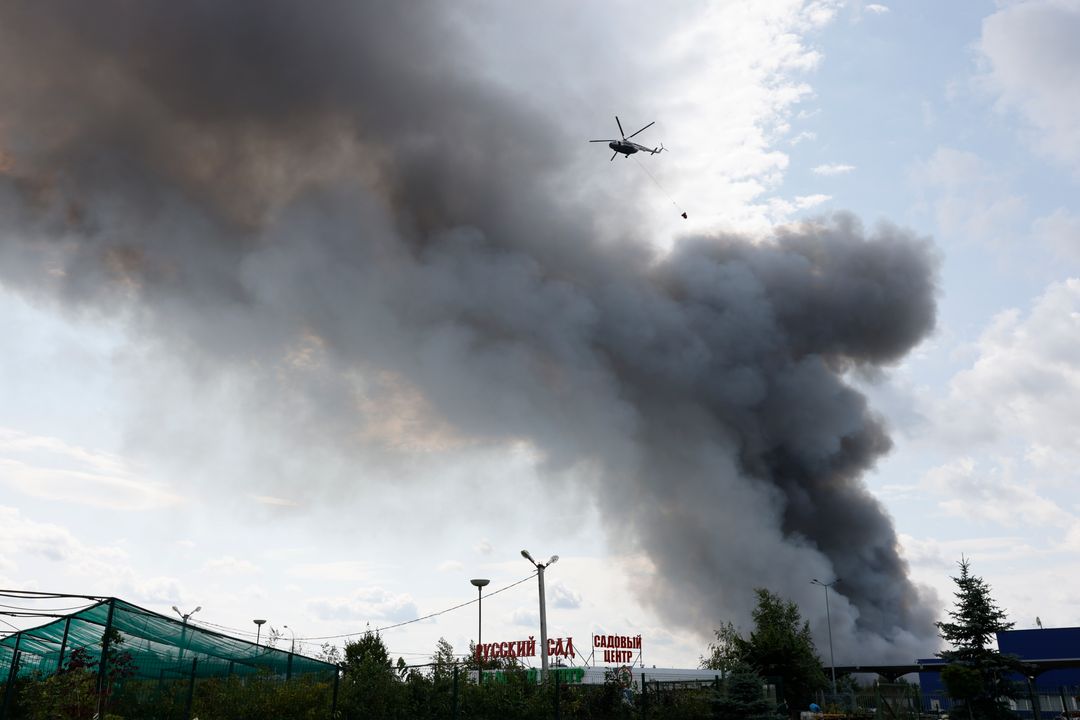
Hammering ports and railways
Russian strikes in Ukraine have killed and injured dozens of people whilst inflicting severe structural damage across multiple regions, according to Ukraine’s State Emergency Service.
In early September, attacks struck a border checkpoint with Romania and the headquarters of the My-Ukraina television channel.
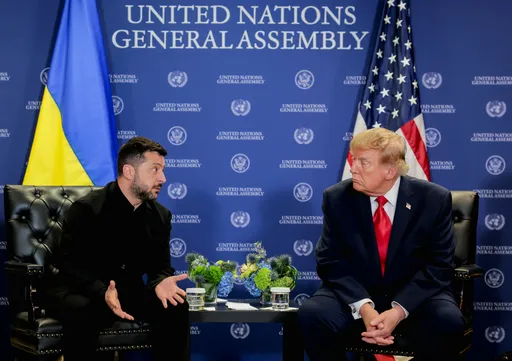
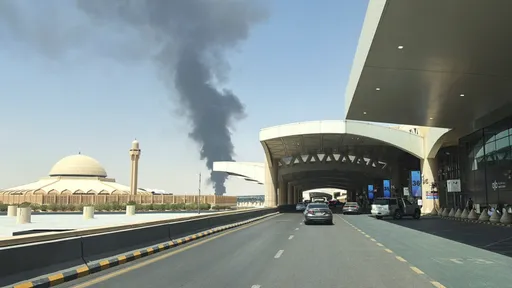
Ukrainian President Volodymyr Zelenskyy accused Moscow of mounting "demonstrative strikes" on airports near Kiev to coincide with the arrival of US envoys Steve Witkoff and Jared Kushner for US-mediated peace discussions.
In the southern Odesa region, strikes injured at least 48 people and damaged port facilities at Chornomorsk, where the Russian Defence Ministry claimed it hit storage areas "used for unloading and storing military supplies", as well as two commercial dry-cargo vessels.
Rail infrastructure has faced heavy disruption, including a September 14, drone strike near the Polish border in the Volyn region on a Warsaw-bound train.
Kiev claimed the attack likely targeted a diplomatic train carrying former British Prime Minister Boris Johnson and European officials that had departed shortly prior.
Moscow asserted it was targeting lines moving Western military cargo.
Targetting energy and logistics
Simultaneously, Ukrainian forces have expanded operations against Russian supply networks.

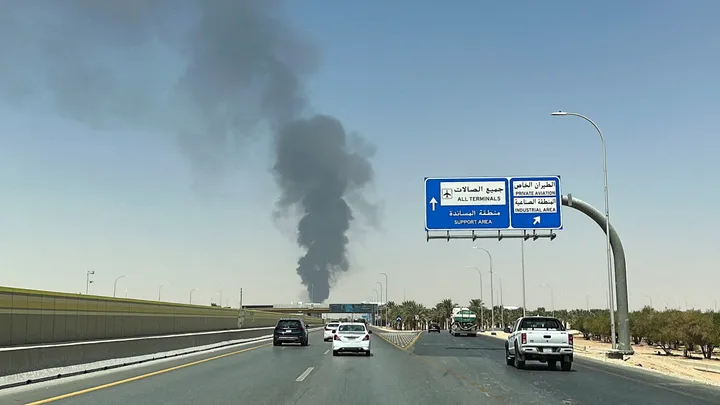
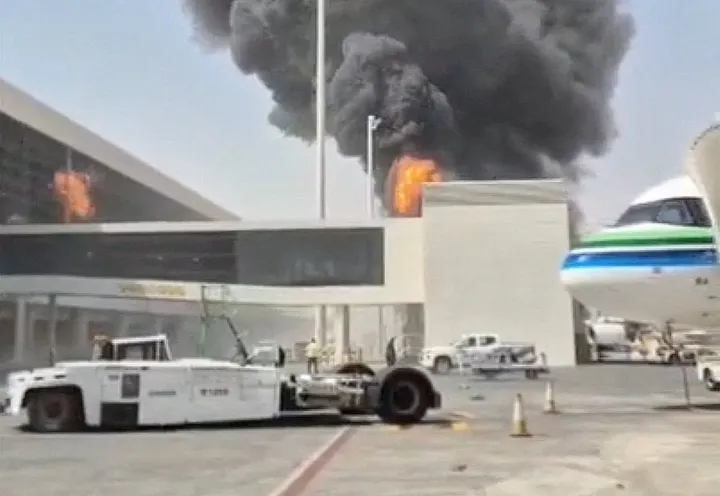
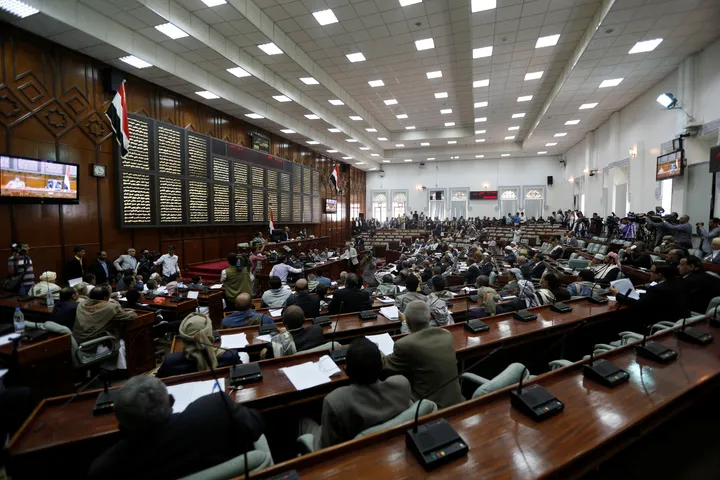

A campaign initiated in mid-July has seen long-range drones repeatedly strike distribution centres belonging to major online retailers Wildberries and Ozon.
Kiev alleges the platforms support military supply logistics, though Moscow and the firms maintain they operate strictly commercially.
Ukrainian drones have also struck key energy assets, including the Novorossiysk oil terminal in Krasnodar and export facilities at Ust-Luga in the Leningrad region.
The resulting processing constraints prompted Russia to extend domestic diesel export curbs through September, leading US President Donald Trump to urge Zelenskyy to halt refinery attacks to avoid tightening international fuel supplies.
Moscow also accused Kiev of targeting voting stations during its mid-September parliamentary elections.
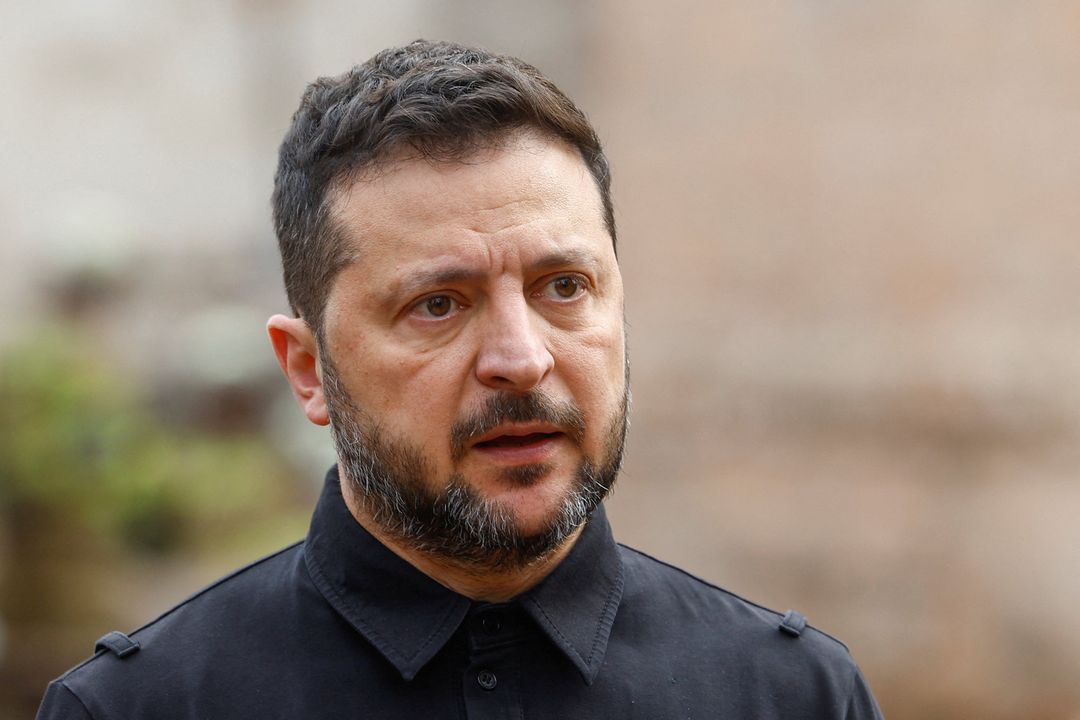
Public spat erupts
The escalating conflict over energy infrastructure culminated on Sunday when Trump announced an immediate halt to mutual strikes, an assertion that immediately triggered diplomatic confusion.
"Effective immediately, there is an energy ceasefire in the war between Russia and Ukraine," Trump wrote on social media.
"Both parties have agreed. Do not break it!"
However, Zelenskyy told Axios that the announcement was news to him, though he reiterated that Ukraine would agree to an energy ceasefire if Russia complied reciprocally with binding guarantees.
Trump has consistently blamed the Russia-Ukraine conflict, rather than regional Middle Eastern tensions, for surging global fuel prices.
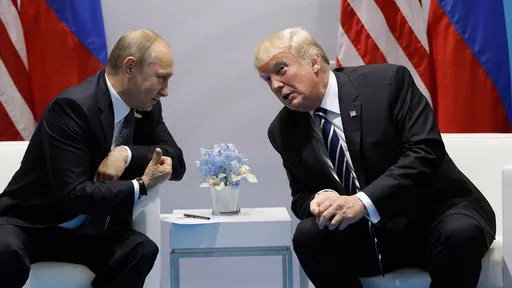
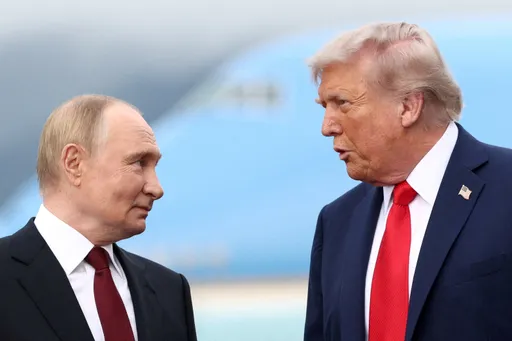
The spat followed a diesel supply agreement Trump unveiled on Friday with Russian President Vladimir Putin to provide fuel to global markets.
Zelenskyy condemned the pact as a "weak decision" and a "gift" financing Moscow's war effort.
In response, Trump blamed Ukrainian refinery strikes for global fuel costs and publicly called for Kiev's leadership to be replaced: "I think it's time for Ukraine to get a new president."