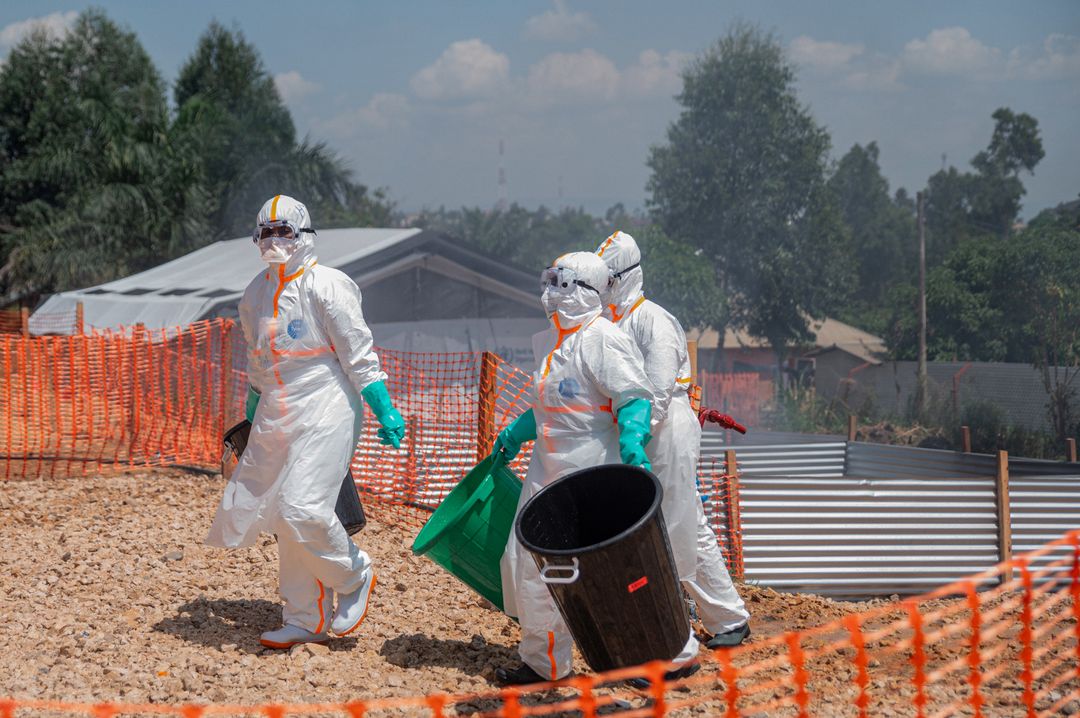
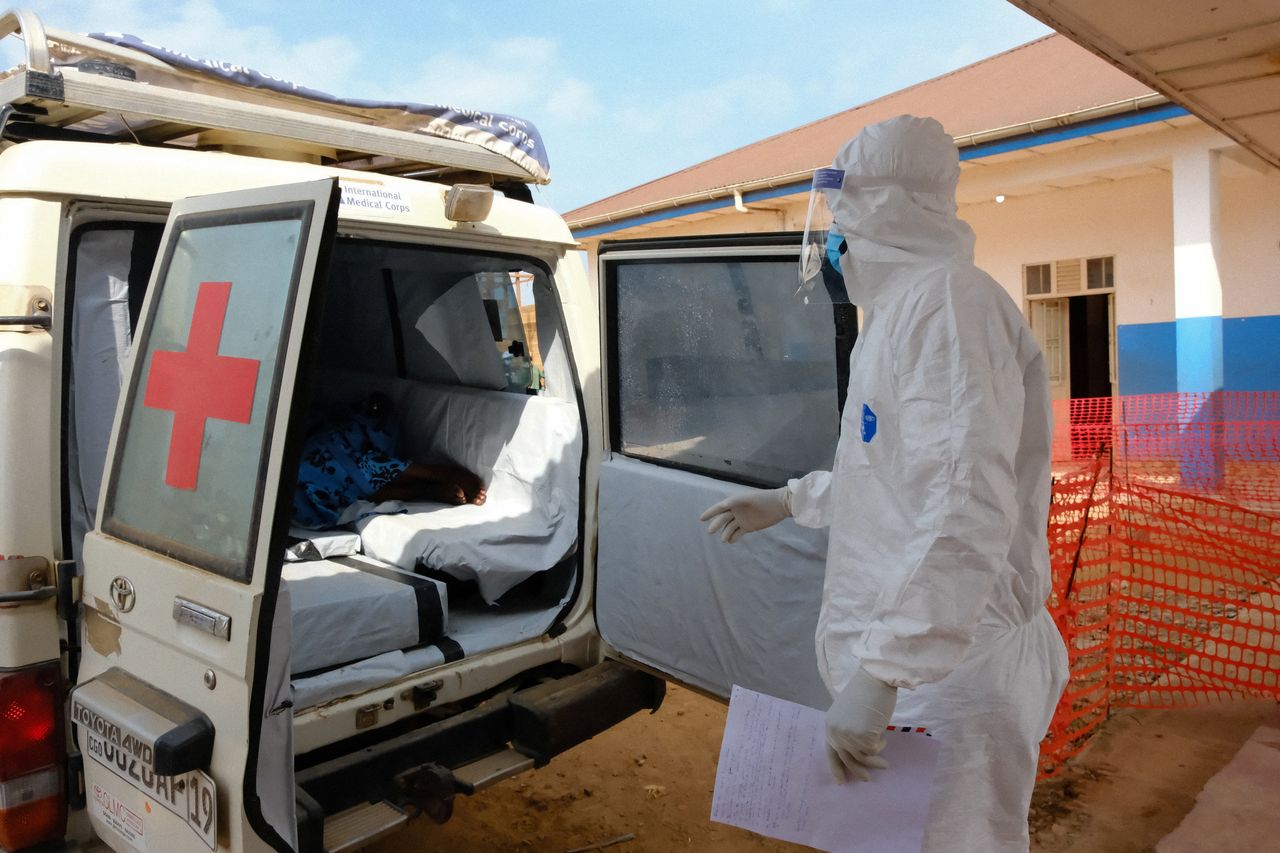
The United Nations Development Programme (UNDP) has warned that Ebola could sharply deepen poverty for nearly 1 million more people across the Democratic Republic of Congo (DRC).
Speaking from Kinshasa during a Geneva briefing, UNDP Resident Representative Damien Mama said on Tuesday that around six in ten people are already living below the poverty line nationwide.
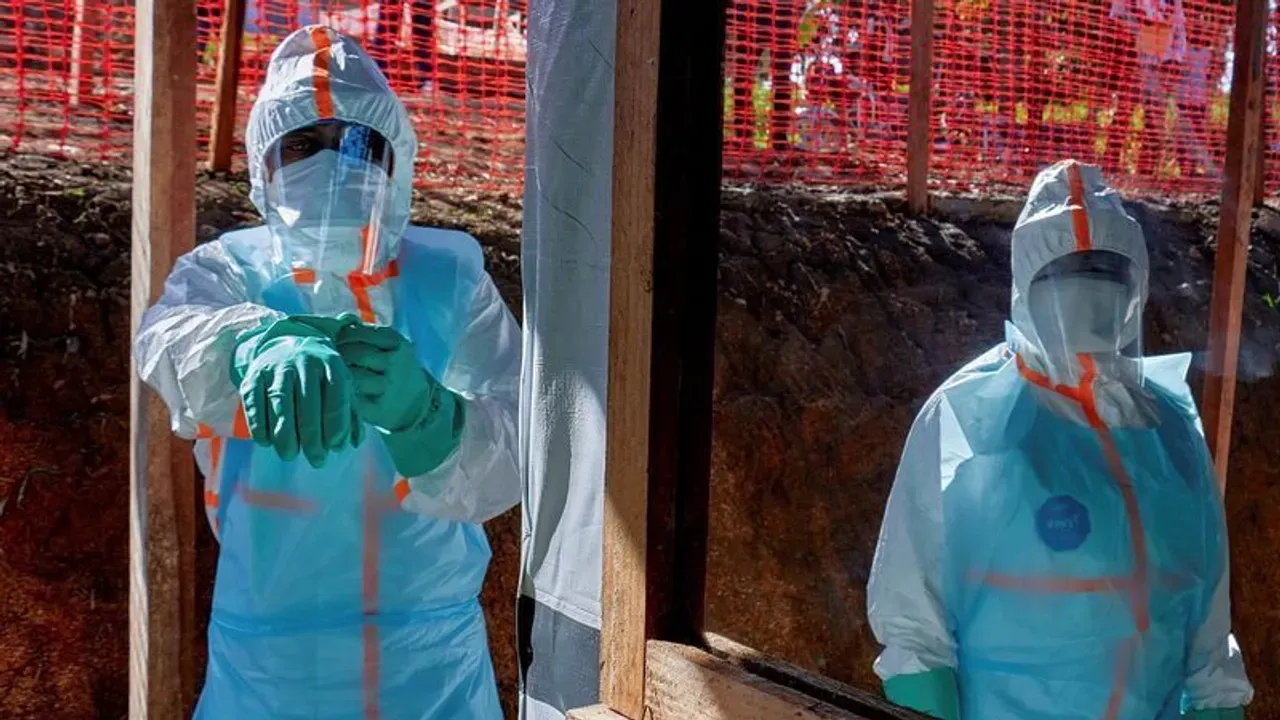
Health authorities report more than 1,400 confirmed cases and 350 deaths across the DRC and Uganda, with infections still rising.
Over 90 percent of cases are concentrated in Ituri province, a key cross-border trading area, Mama said, raising fears of wider regional transmission.
UNDP estimates that the outbreak could cost Africa up to $3.6 billion and put more than 300,000 jobs at risk.
In the DRC alone, even if the spread is contained, losses could exceed $1 billion, with around 55,000 jobs potentially affected.
Mama also warns that African GDP could fall by $2.37 billion as economic activity slows and livelihoods come under pressure.
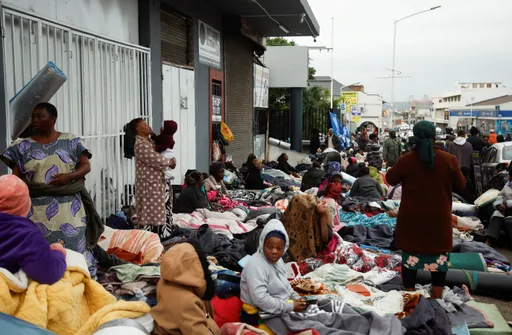
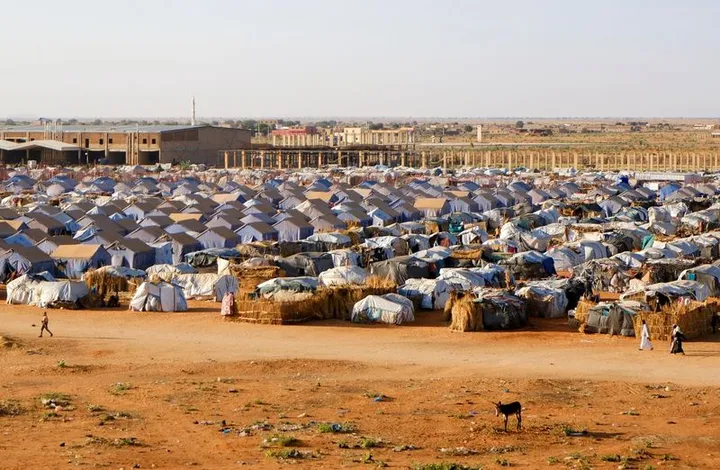
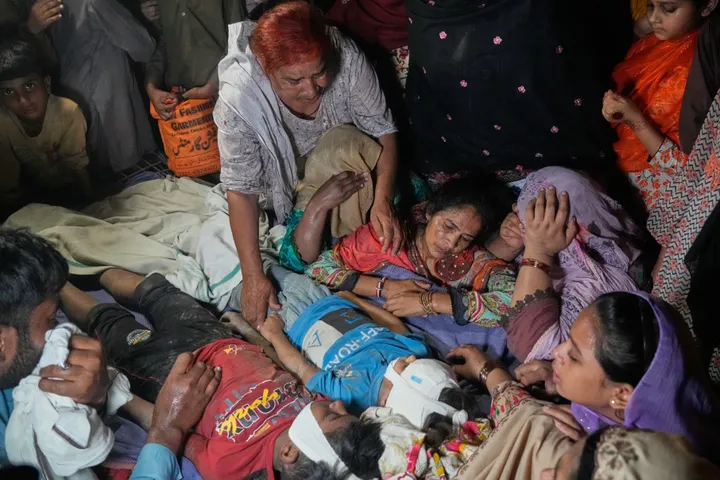
He added that the impact was already emerging in real time, forcing jobs to disappear, slowing down markets and pushing families to the edge.
IMF releases $348 million in support
Separately, the International Monetary Fund (IMF) has said it has completed programme reviews for the DRC and released $348.5 million in budget support.
The IMF, in a statement on Tuesday, stressed that eastern DRC remains highly “volatile,” with ongoing clashes involving M23 rebels, ceasefire violations and mass displacement worsening conditions on the ground.
"The humanitarian situation remains severe, with widespread food insecurity and large-scale displacement," the statement added.
It also pointed to wider uncertainty, including political tensions, the Ebola outbreak, and external shocks such as higher global oil prices due to the US-Israel war on Iran.
Despite the volatility, the IMF noted that economic activity in 2025 has remained relatively resilient, supported by strong performance in the mining sector.
Public debt levels are described as stable, it said, although officials warn that humanitarian needs and security spending are putting continued pressure on the national budget.
The DRC launched a nearly $3 billion IMF support programme in January 2025, running over three years.
It has significant debt obligations, with around $800 million in debt due back to the IMF in that same period.