Annapolis, the waterfront capital of the US state of Maryland, is a vibrant coastal city with an active civic life. In 2020, it was also among numerous American cities swept up in Covid-era protests.
At the height of the pandemic, politically charged demonstrations gridlocked its streets. Crowds denounced government lockdowns and challenged the science behind vaccines. Six years later, some of that scepticism still lingers.
"When Covid came around, people were gonna get vaccinated because that's what we were trained to do. So then, then you get vaccinated again, and then you get vaccinated again. And now people start to wonder, 'What is this about?'," Penelope, an Annapolis resident tells TRT World.
Penelope is not alone. The latest research indicates that more Americans than ever before do not trust vaccines, the science supporting them, or their government.
"I won't get another vaccination, you know. I just have to deal with the consequences, you know, because it didn't, it didn't help because I still caught Covid. I really don't think they work, you know. And then again, I don't know what they really injected in me," says another Annapolis local.
The vaccine hesitancy has grown in US in recent years. Under US President Donald Trump, Health Secretary Robert F Kennedy Jr. has pursued changes to childhood vaccination policy that have drawn criticism from parts of the medical community.
According to pediatrician Dr. Paul Offit, who was dismissed from a government vaccine advisory board last year over his criticism of Kennedy, the Covid pandemic supercharged the lack of trust in public health institutions.
"This was a virus that was spread person to person, and it could be spread from somebody who had no symptoms. So all we could do was prevent human to human contact. So we closed schools and shuttered businesses, restricted travel, social distanced and quarantined," Dr. Offit tells TRT World.
He notes that a section of the American public perceived the measures as significant government overreach.
"You couldn't go to your favourite restaurant or sporting event without your vaccination card. You may be fired from your job. That too was seen as government overreach. People didn't like being told what to do."
Dr. Offit argues that official messaging could have been clearer, noting public scepticism stemmed from broader distrust of government rather than healthcare policies alone.
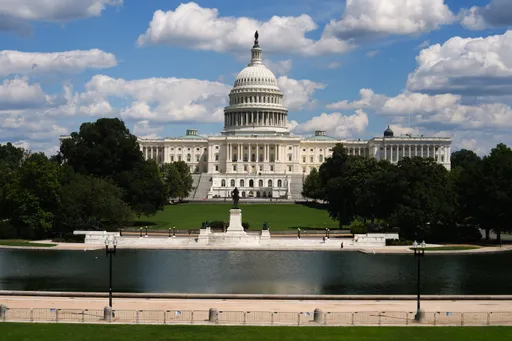
Public health is not the only sector experiencing an erosion of confidence; trust has also declined in public education, the US Congress, the Supreme Court, and the media. Twelve of the 14 core US institutions monitored annually since 1993 are currently at or near their lowest-ever approval ratings.
Americans remain protective of their constitutional rights, particularly protections such as freedom of religion, speech, and the press, and the right to bear arms. But how concerning is it when it relates to public health policy, and where does that leave the country if there is no perceived standard bearer of trusted information?
Dr. Offit notes that distrust of government often translates into opposition to public health under the guise of "medical freedom", disregarding collective well-being.
"It's very concerning. I mean, basically, what you're saying is that it's my right to catch and transmit a potentially fatal infection, knowing that there are a certain number of people, millions of people in this country, for example, who can't be vaccinated, who depend on me and the, the people around them to protect them. And what you're saying is, 'I'm gonna do whatever I wanna do. I don't care how it affects others'."
Asked what will restore the public trust in America's institutions, the vaccine expert says, "I think the viruses and bacteria are gonna be doing the educating.
Eroding trust in US institutions
Ameisha Cross, a Democratic political analyst, and Matthew Hurtt, an Arlington Republican Party official, offer TRT World contrasting diagnoses of why Americans have lost faith in government, public health agencies and the media, tracing the problem from the Covid-19 pandemic to today's polarised information environment.
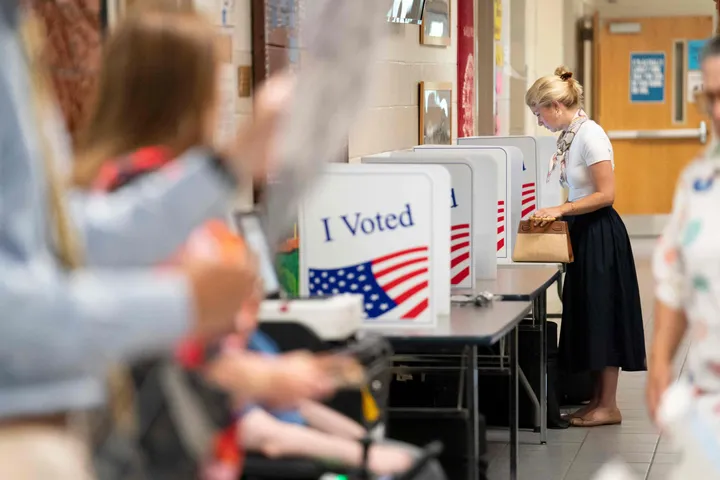
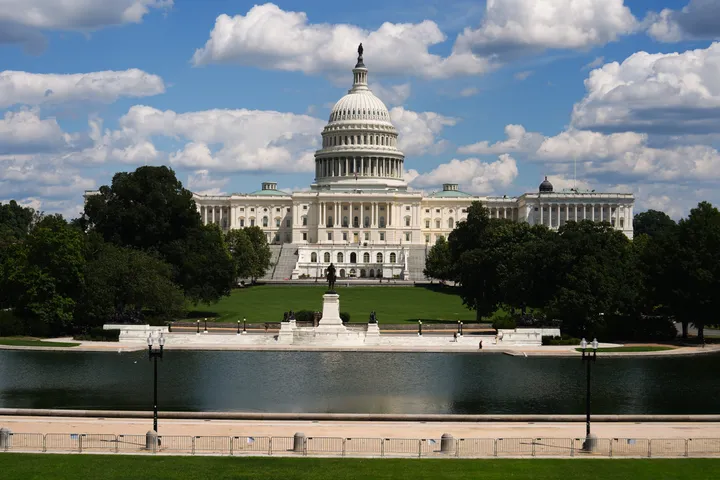
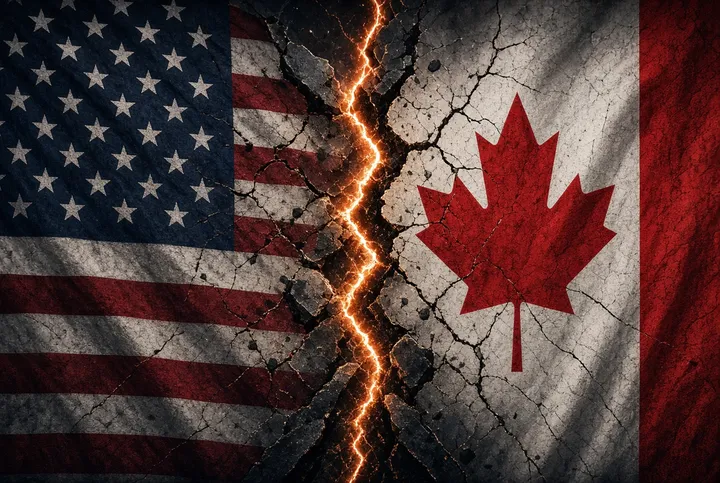
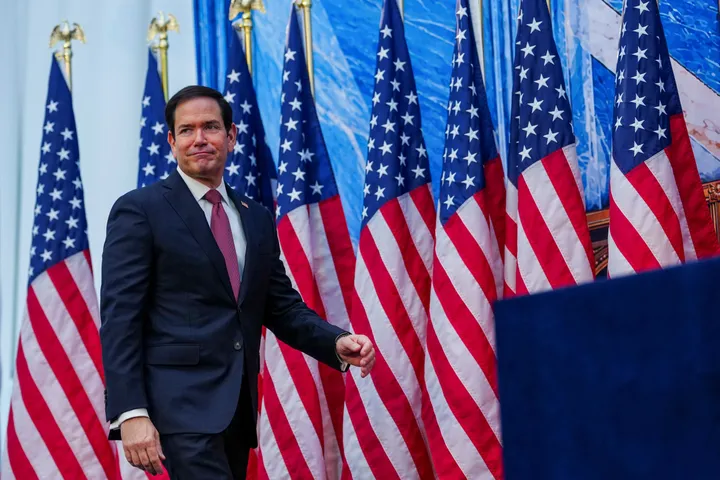
Hurtt says the pandemic "exposed something that had been happening" for years: falling confidence in government and even neighbourhoods.
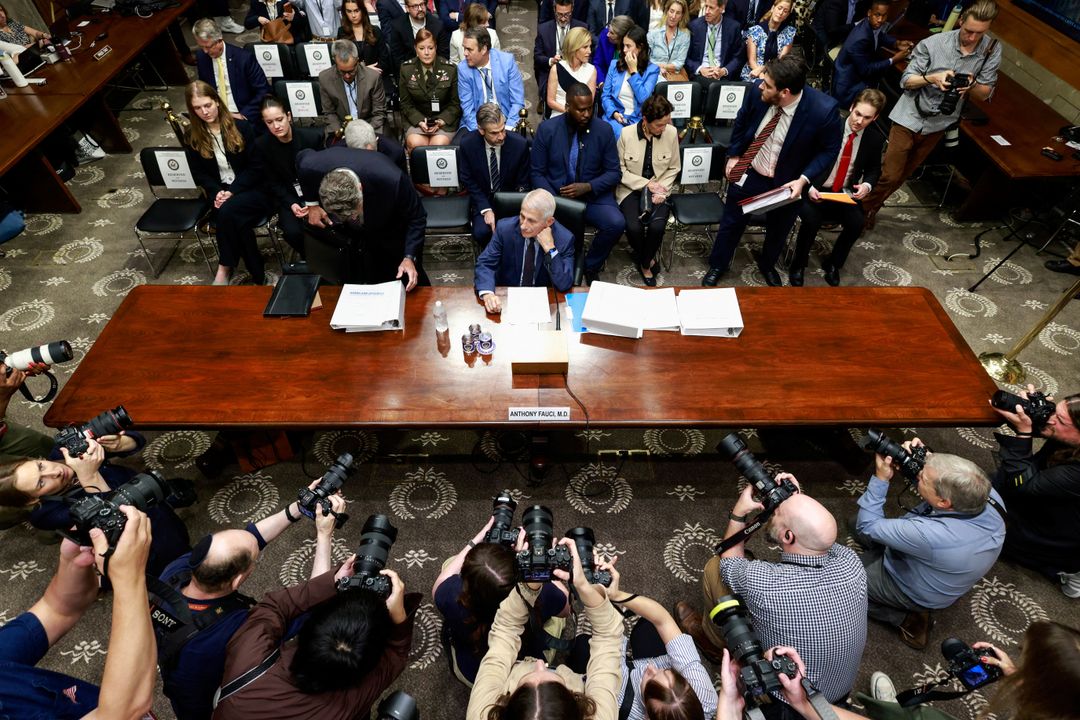
He points to shifting guidance from former Chief Medical Advisor to the President, Dr. Anthony Fauci, vaccine mandates he described as involving "untested" shots, and parents’ subsequent questions about what they were putting in their children’s bodies.
He notes that his own childhood vaccine schedule in the late 1980s was shorter and more spaced out than the schedules followed by his young niece and nephew.
"And the CDC (Centers for Disease Control and Prevention), in June of last year, said that some of these vaccines, particularly related to Covid-19, have led to and can be related to the myocarditis that we're seeing among young people," he adds.
Cross, a Democrat, argues that the federal government "lost America’s trust a long time ago," though many people still had more faith in state and local officials.
She says the rapid changes — from social distancing to restaurant curfews — left people frustrated that "the science seemed to be changing month after month, and in some cases week after week."
Extended isolation, she adds, damaged the "social, emotional, and mental psyche" of many Americans.
Cross defends officials who "did what we had to do with the information we had at the time".
Handling another crisis
Cross notes that then-President Donald Trump launched Operation Warp Speed and received a Covid-19 vaccine himself, while also publicly questioning aspects of the pandemic response.
Hurtt acknowledges Trump's role in Warp Speed but says vaccine scepticism and questions about the programme were expressed across the political spectrum during the 2020 election period.
Distrust, he adds, now cuts both ways: many Democrats question the Justice Department's use under the current administration, just as conservatives have long accused prior administrations of weaponising government.
Cross also blames declining trust in part on media outlets whose claims have been "debunked," the rise of non-journalists on social media with large followings, and poor media literacy.
"It's the Wild Wild West across social media, and everybody is picking one that confirms what they already believe," she says.
She says Americans now fear lettuce and grocery-store produce and are seeing measles outbreaks "we eradicated generations ago."
Hurtt, however, insists that listeria outbreaks in vegetables occur every 18 to 24 months regardless of who is president, and that healthy skepticism of government at any level is valuable.
Asked whether the country has enough "institutional capital" left to handle another national crisis, Cross says the US already faces daily crises and that the structure has been "so badly disrupted" that a coordinated response would be extremely difficult.
Hurtt, a Republican, largely agrees on health and vaccine issues but insists communities still produce effective responses to natural disasters, which gives him hope.