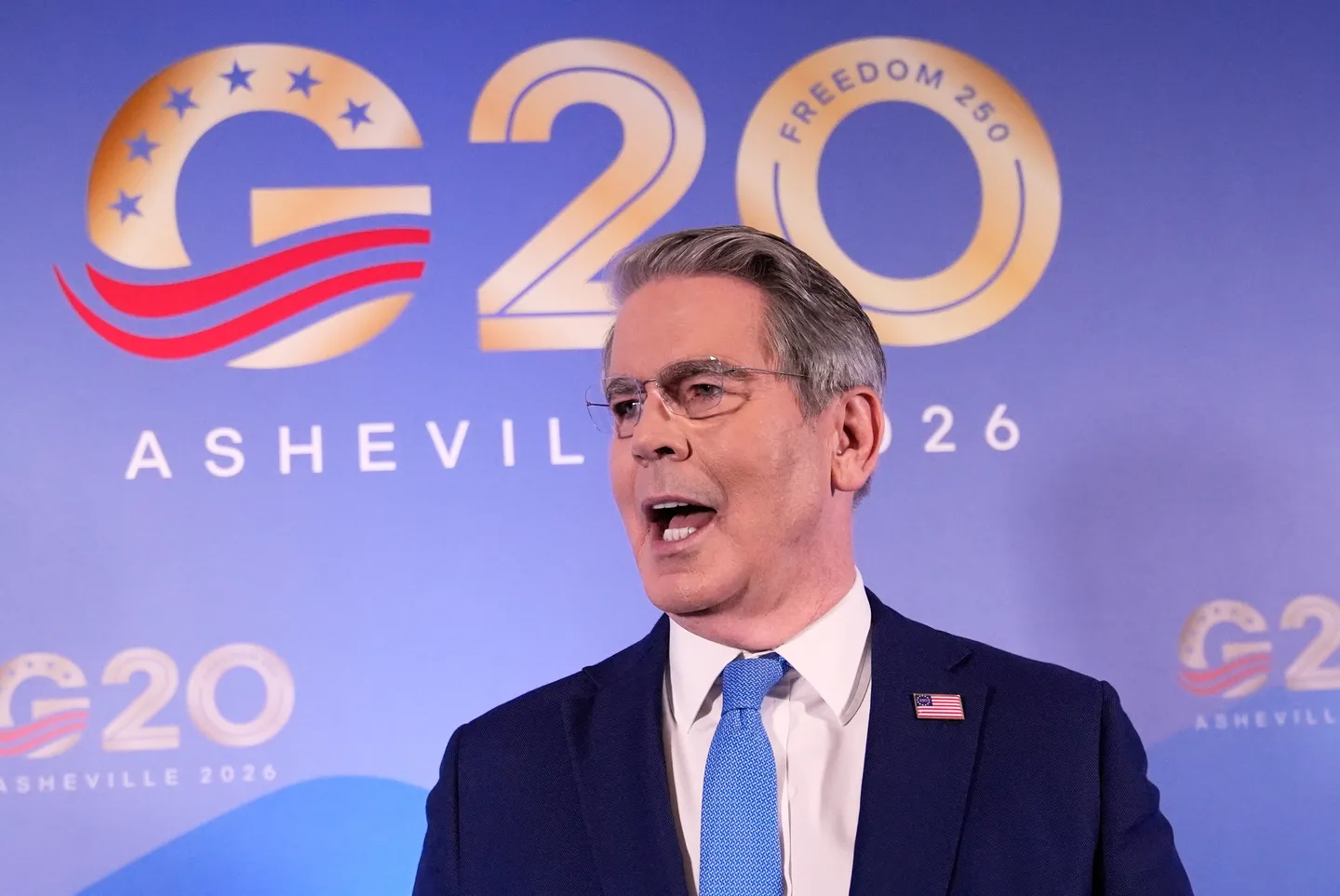
US Treasury Secretary Scott Bessent has said that his Russian counterpart's attendance at Group of 20 talks this week had no impact on the gathering, whilst asserting that Iran is in a state of panic with only three options remaining.
"I would point out that we had 19 out of 20 countries agree, so... there has been no impact," Bessent told a press conference regarding the chair's statement, acknowledging European unease but defending direct engagement.
He noted that 19 finance ministers concurred that a "never-ending stream of cheap exports" is unsustainable, though China dissented.
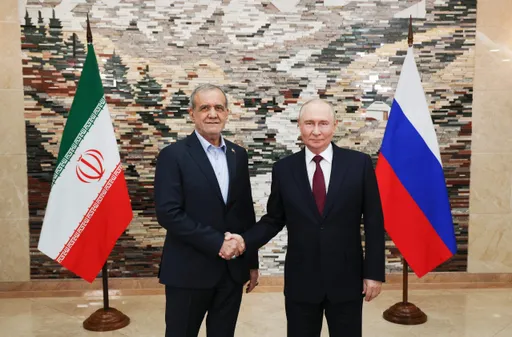
Bessent turned attention to Iran, saying Washington has conducted discreet discussions with Moscow and Beijing regarding Tehran.
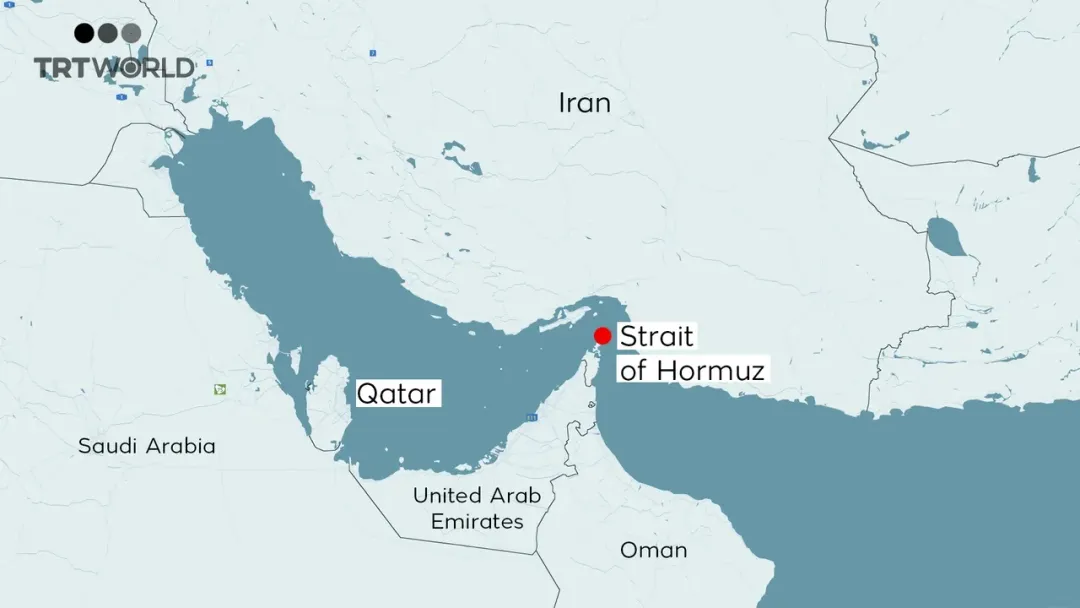
He stressed that the US and China agree Iran must not acquire nuclear weapons and that commercial navigation in the Strait of Hormuz must remain guaranteed.
Tehran's options
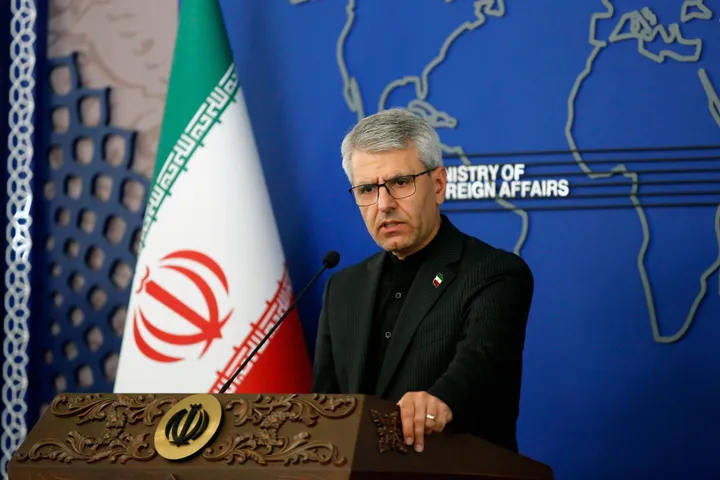
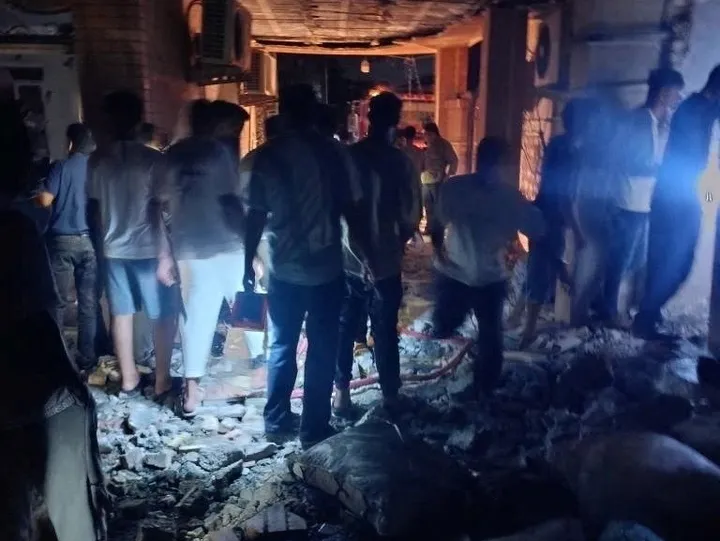



Bessent stated that several US allies have affirmed their readiness to take necessary measures, recognising that the Iranian economy is navigating a critical crisis.
"Iran faces three options: either the Revolutionary Guard turns on itself, the people turn against it, or Tehran returns to the negotiating table to reach an agreement it can abide by," Bessent said.
He argued that Tehran is in a state of panic that drives it towards military action under economic strain, adding that previous diplomatic understandings collapsed because Iran was unprepared to conclude a viable deal.
Clarifying that no specific bilateral accord was signed with Beijing, Bessent said both powers agreed on keeping the waterway open.
He insisted that Iran does not control the Strait of Hormuz, asserting that the US exercises control over the passage amid Iran's deteriorating economy.
Bessent also dismissed reports regarding maritime hazards, asserting there are no naval mines in the strait and denying that two vessels struck mines, branding the accounts Iranian propaganda.