 Kazim Alam
The global energy market has been reeling under pressure since the start of the US-Israeli war against Iran six and a half months ago.
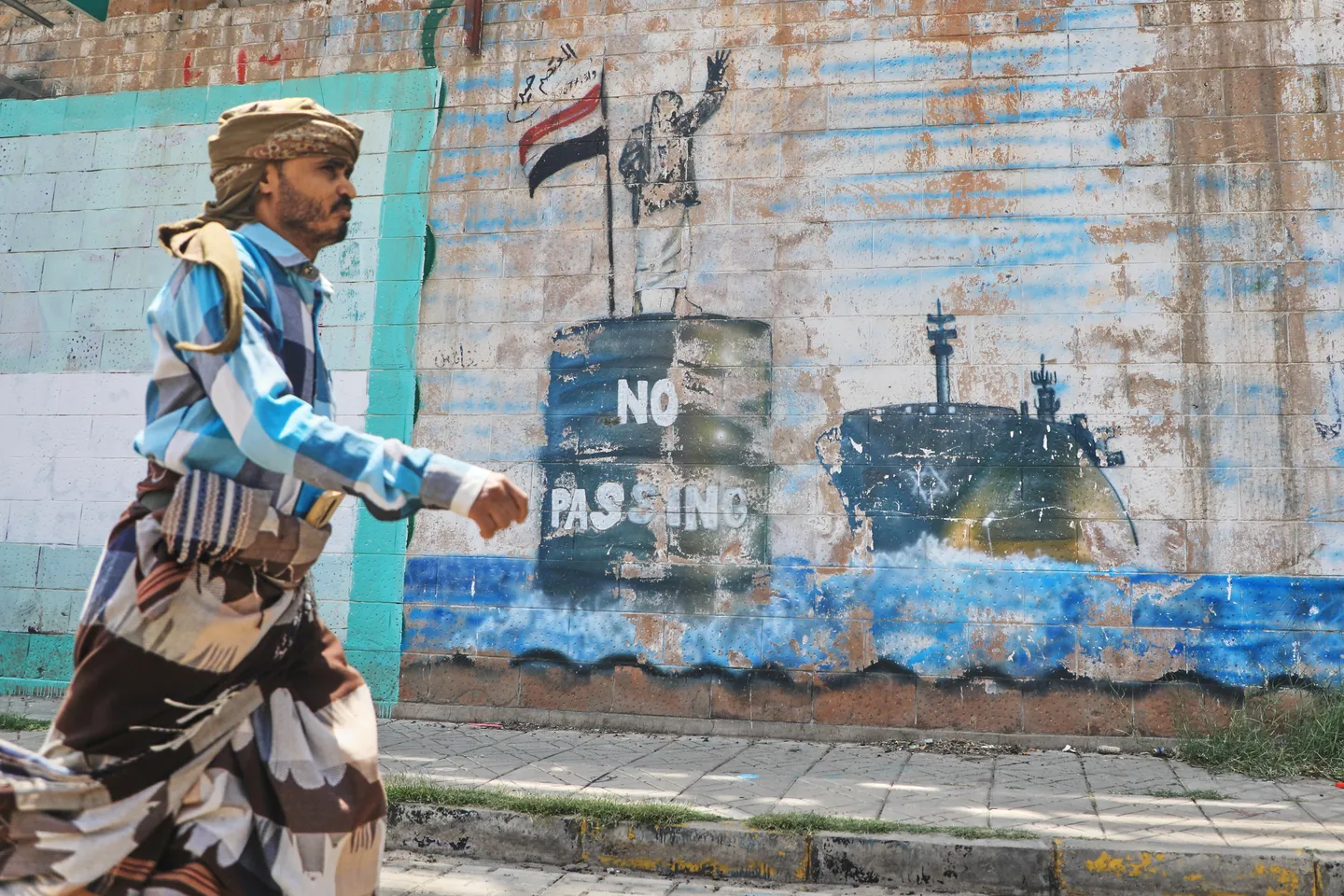
But the latest wave of volatility – which has sent diesel prices to an all-time high in the US – comes mainly from Yemen’s Red Sea coast, where Iran-allied Houthis have blockaded Saudi oil exports.
The Yemeni group, considered one of Tehran’s allies, controls the country’s capital, Sanaa, and much of the north-western parts of the war-torn country.
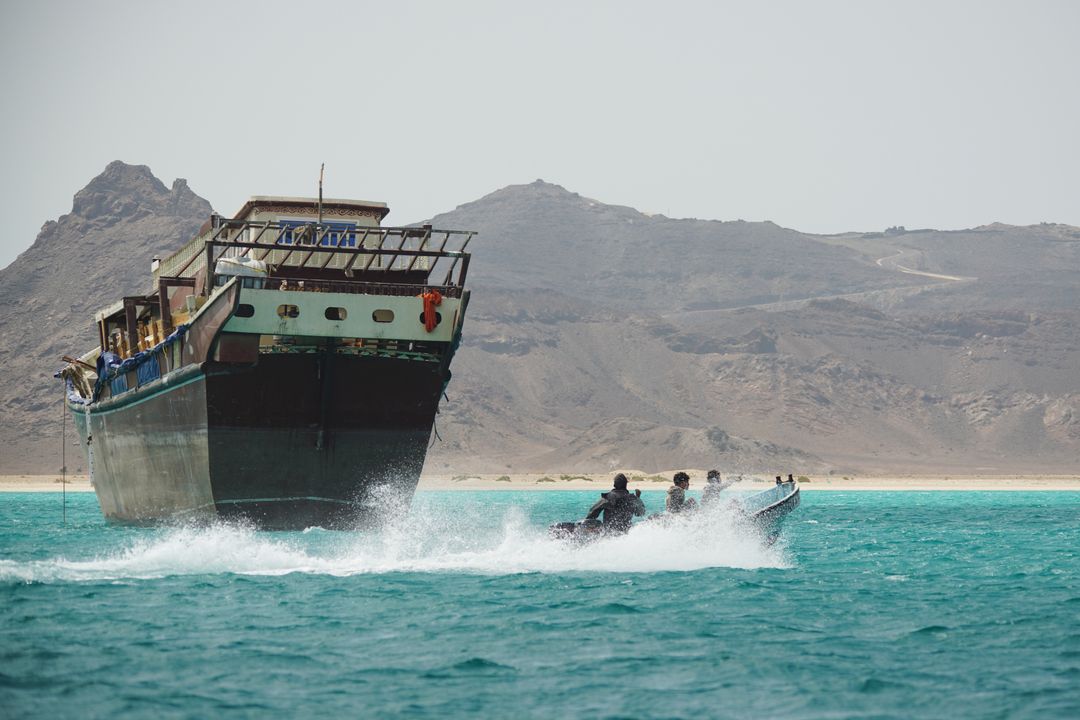
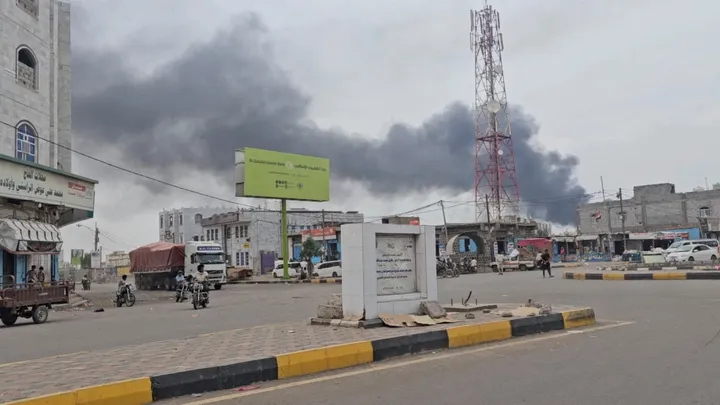
But in the last few weeks, they have seized the rest of Yemen's Red Sea coast and strategic islands, taking full control over the critical Bab al Mandeb Strait, one of the only two sea routes that Saudi Arabia uses to export oil.
This means the already dangerous detour around a mostly blocked Strait of Hormuz has become a second chokepoint throttling the flow of oil from the Middle East.
After Iran blocked maritime traffic from Gulf countries through Hormuz in late February, Saudi Arabia shifted more crude across the peninsula to Red Sea terminals.
But the improvised arrangement has now been rendered ineffective after the Houthis blocked Saudi-linked shipping through Mandeb by attacking oil tankers and energy sites.
Meanwhile, drone attacks by Iran-affliated Iraqi militias forced Riyadh to shut down its East-West pipeline, which helped the world’s largest oil producer move crude from its oil-rich east to its west coast following the closure of the Hormuz route.
As a result, Saudi Arabia's oil production dropped to its lowest level in 36 years.
The question now hanging over oil-consuming countries is whether the Organization of the Petroleum Exporting Countries and its allies (OPEC+) can pump more oil into the market at a speed fast enough to halt the price surge.
Experts say OPEC+ can't just turn the tap and increase supplies, at least not in the way markets usually imagine.
“There is spare capacity on paper, but I would be very cautious about treating all of it as immediately available supply,” says Baris Alpaslan, an economist and chief adviser at IC Holding, a Turkish conglomerate with energy production and distribution businesses.
Under the de facto leadership of Saudi Arabia, the 12-member grouping sets production quotas for its members and regulates crude output levels to tide over oil gluts and shortages worldwide.
“The key distinction is between technical spare capacity and barrels that can actually reach the market quickly,” he tells TRT World.
Washington has so far resisted treating the Houthi advance as another theatre of war that it must fight itself.
Reports say Saudi Crown Prince Mohammed bin Salman sought US military help to push back the Houthis’ advance, but Washington did not intervene.
US President Donald Trump told the press that the Houthis had contacted his administration, requesting the US to stay out of their fight against Saudi Arabia.
No ‘meaningful room’ for output increase
According to Altay Atli, a senior scholar at Sabanci University’s Istanbul Policy Center, spare capacity exists “on paper, mostly”.
Saudi Arabia and a few Gulf producers still claim unused barrels, he tells TRT World. “But most of that oil normally ships through the Strait of Hormuz, and the Iran war has made that route unsafe,” he says.
The oil might exist underground, but moving it to buyers such as China now means “longer routes, much higher costs, and real delays”.
Until Hormuz is safe again, spare capacity will only be a number on paper, he says.
OPEC+ has spent much of 2026 announcing monthly quota increases – a phased unwinding of earlier voluntary cuts – while actual barrels have yet to follow.
Official Saudi production remained 6.2 million barrels a day in August, almost one-fourth less than July, after the Houthi embargo forced the kingdom to cut output because it could not store or ship what it produced.




According to Alpaslan, “very few producers” can make a truly meaningful difference in oil output in the short run.
Saudi Arabia is “normally the key swing producer”, but its ability to increase oil exports is constrained by infrastructure and security risks.
Iraq and Kuwait can potentially provide some additional barrels, but Alpaslan does not expect “a one- or two-million-barrel-a-day response from OPEC+” in the short term.
The immediate problem is not simply that OPEC+ doesn’t want to produce more, he says.
“The bigger problem is that additional production does not automatically translate into additional barrels reaching the international market,” he says.
Saudi Arabia and the UAE, which left OPEC+ earlier this year over production quotas, are the only two producers with “meaningful room” to increase oil output, Atli says.
But even those spare barrels are constrained by how much can move safely “around the Strait of Hormuz rather than through it”.
Iraq and Kuwait, in his view, don’t have much room to increase output even in normal times.
Iran cannot add much because of war damage and sanctions, while Russia is already pumping below the quota as Ukrainian drone strikes have been knocking out its oil infrastructure for months, he says.
“That leaves a short list of countries that could genuinely change the picture,” he says.
The dual-strait trap
Marine traffic through Hormuz has dwindled further after fresh attacks, with vessel transits falling to a handful a day.
Bab al Mandeb, which had become Saudi Arabia’s workaround, is now under tighter Houthi control, while the East-West oil pipeline is shut indefinitely.
Analysts say oil prices can cross $120 per barrel, from roughly $103.52 now, in 2027 if Gulf production remains heavily constrained.
The IEA has warned that a full recovery in Gulf flows may slip into 2027 and that soaring product prices are already destroying demand.
Without OPEC+ reliably delivering a meaningful increase in output, experts say additional supplies may come from countries such as the US, Brazil and Guyana, a small but oil-rich country in South America.
Alpaslan says the US is “clearly the most important source” of additional oil supply, but it can’t respond like “an emergency switch”.
US crude output is already at record levels, at about 13.8 million barrels a day in 2026, up from an average of 13.7 million in 2025.
Output by countries such as Brazil and Guyana matters over months and quarters, not days, he adds.
“In the immediate term, I’d focus less on new production and more on the restoration of disrupted Gulf supply, the security of shipping routes, and potentially strategic stock releases,” Alpaslan says.
If the geopolitical risk premium unwinds, oil prices can “fall quite quickly”, he says.
In contrast, he adds, no barrels from the Americas will be enough to immediately replace lost Gulf supply if physical disruptions continue.
Atli points to new oil from the US, Brazil, Guyana and Argentina, and to China’s effort to buy more of that oil to cut its reliance on Hormuz routes. But an actual end to the Iran war that reopens Hormuz would move prices more than any OPEC+ decision, he insists.
“Releasing more oil from strategic reserves could help short-term, too,” he says.