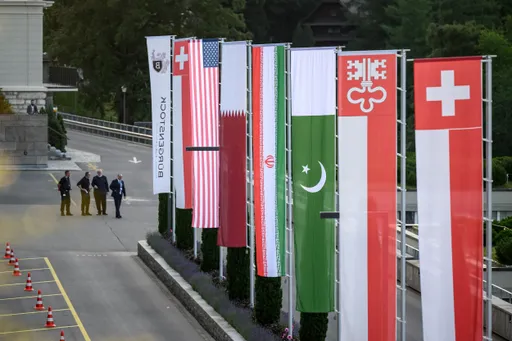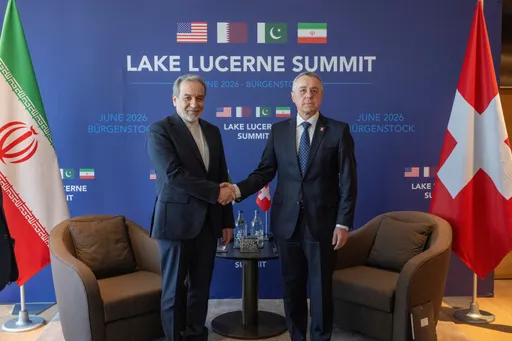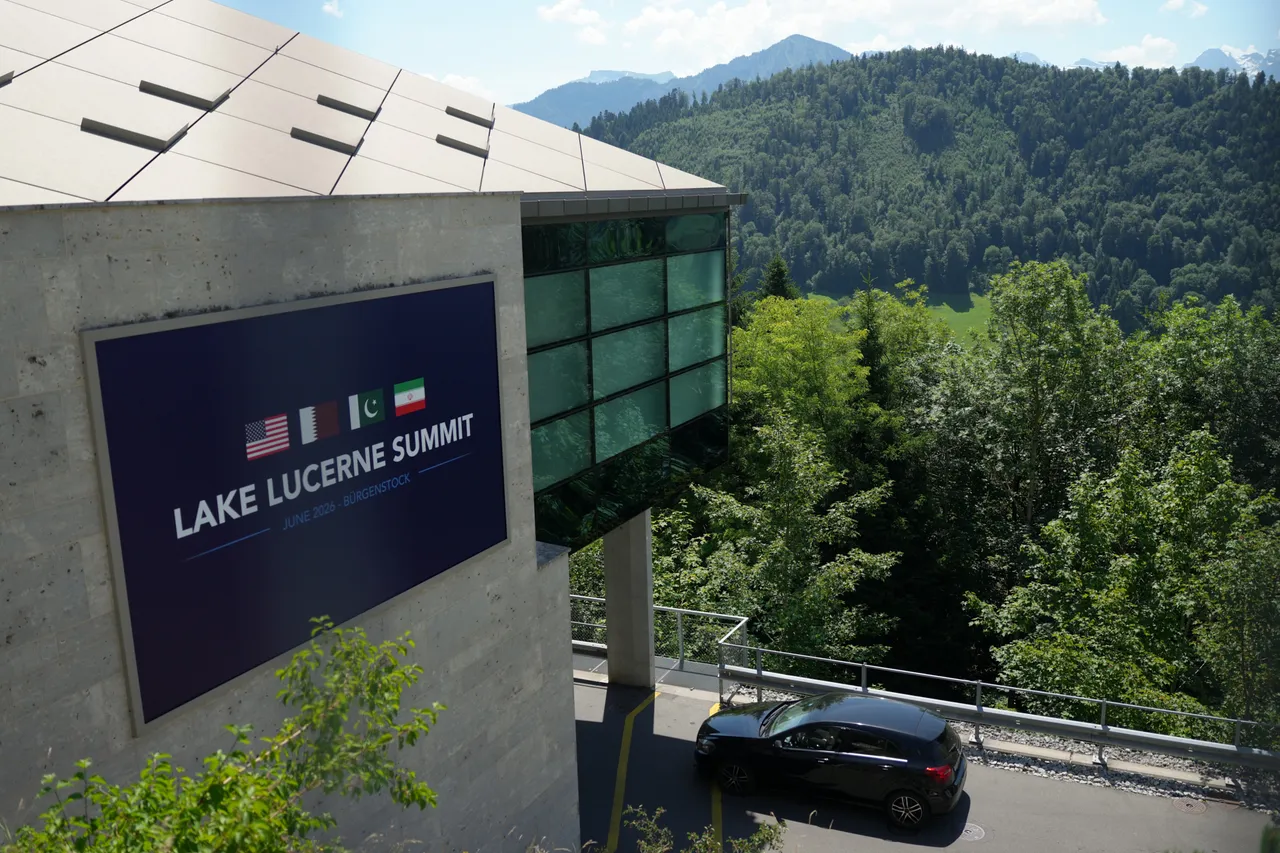
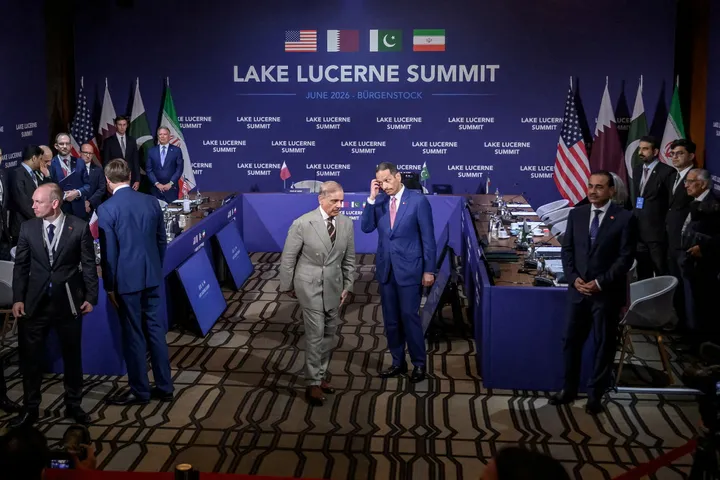
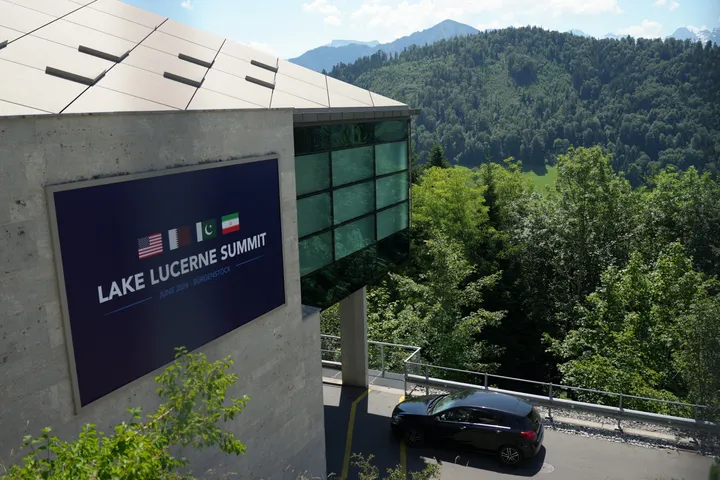
Talks between Iran and the US at the Lake Lucerne Summit, the first high-level meeting, in Burgenstock, Switzerland, concluded early on Monday, with agreements on several mechanisms aimed at advancing negotiations towards a final deal under the Islamabad Memorandum of Understanding.
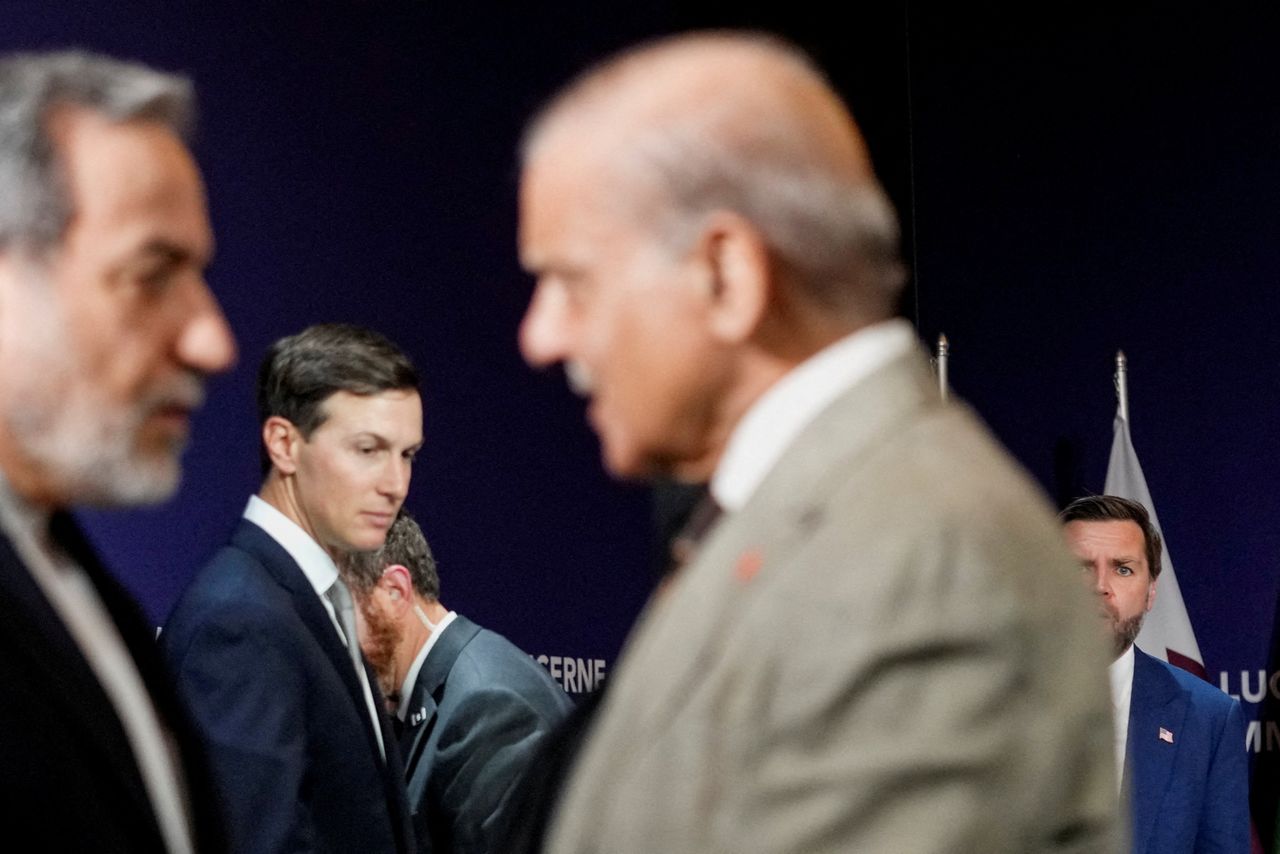
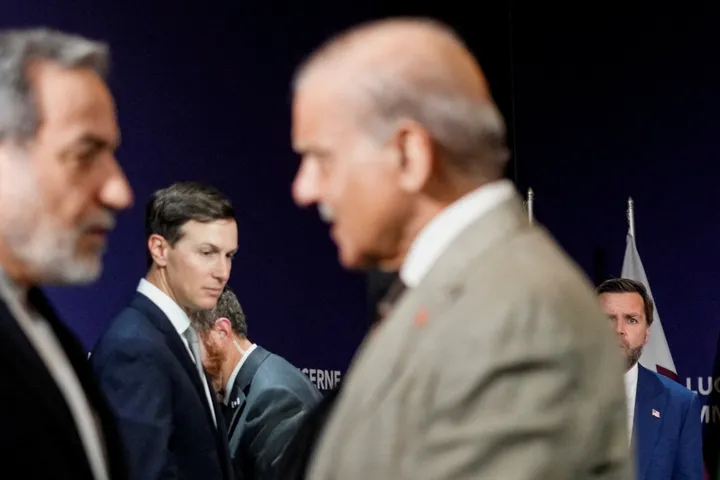
The US and Iranian delegations, led by their chief negotiators, Vice President JD Vance and Parliament Speaker Mohammad Bagher Ghalibaf, held a 100-minute first round of much-awaited direct talks.
The meeting was held under the mediation of Qatar and Pakistan, which said the talks were conducted in a “positive and constructive atmosphere” and produced “encouraging progress.”
Here’s what to know about the key outcomes of the talks, according to the mediators’ joint statement:
1. High-level committee
According to the statement, the parties have agreed to the establishment of a high-level committee which will provide political oversight on the mediation.
2. Working groups
The US and Iranian chief negotiators will lead working groups focused on the Iranian nuclear programme, sanctions-related issues and dispute resolution mechanisms designed to ensure effective implementation of the memorandum of understanding.
The high-level committee will receive regular reports from lead negotiators and supervise these specialised working groups.
3. 60-day roadmap
Building on the Memorandum of Understanding, the parties agreed on a roadmap towards reaching a final deal within 60 days, laying the foundation for immediate technical negotiations.




4. Technical talks
Technical talks will continue for the remainder of the week in Burgenstock on all outstanding issues.
5. Hormuz
A communication channel was established to prevent “incidents and miscommunication” and ensure safe passage for commercial vessels through the Strait of Hormuz.
Speaking after the intensive four-party talks in Burgenstock Foreign Ministry spokesperson Esmaeil Baqaei said the parties agreed to establish a mechanism aimed at ensuring maritime security in the strategic waterway.
6. Lebanon “de-confliction cell”
The parties agreed to establish a "de-confliction cell," involving Lebanon and facilitated by mediators, to monitor adherence to the cessation of military operations in Lebanon under the memorandum.
Baqaei said one key outcome of the talks was an agreement to establish a new monitoring mechanism, described as a “deconfliction cell,” with the participation of mediators to oversee the continuation of the ceasefire and halt in hostilities, particularly in Lebanon.
He added that the sides also exchanged important messages regarding provisions related to issuing the necessary licenses for Iranian oil sales and the release of Iran’s frozen or restricted assets, saying progress had been made on both issues.
7. Mediator commitment
Qatar and Pakistan said they would continue efforts to maintain a “constructive atmosphere” and support progress towards a final deal.