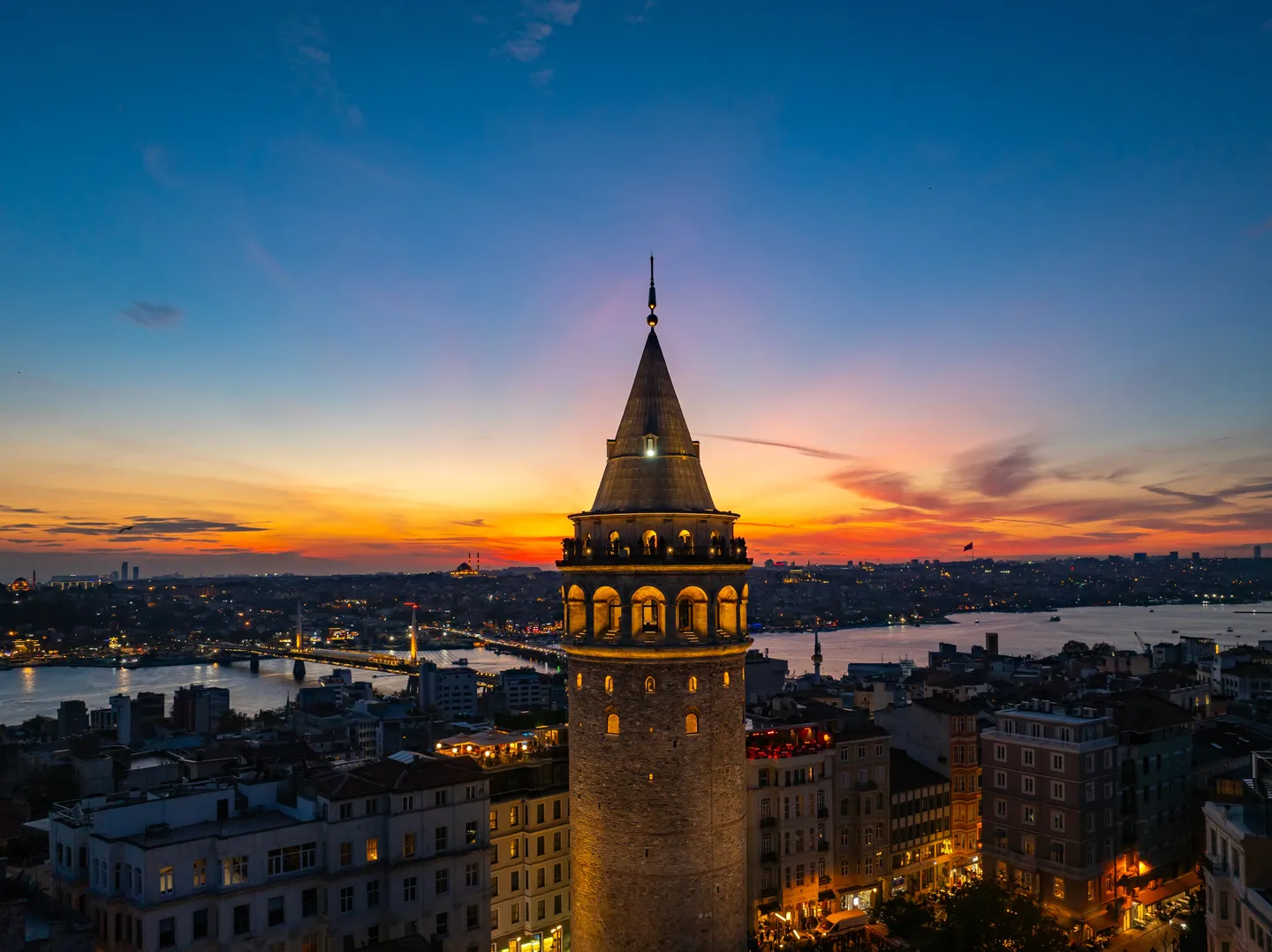
Malaysia is looking to Türkiye's experience in managing historical heritage and developing transit tourism as the two countries explore greater cooperation in faith-based travel, according to the head of Malaysia's Islamic Tourism Center.
Mohammad Faisal bin Abu Suaib Khan, director-general of the centre, told Anadolu that Türkiye's experience in combining tourism with the preservation and commercial use of historical sites offers lessons for Malaysia.
"Türkiye has experience in managing heritage. The way you monetise historical monuments, and at the same time get the funding to upgrade, take care of and manage them, is very important because conservation is very costly," Faisal said.
"We can learn from the way you do business and, at the same time, how you conserve certain monuments and make them good tourist spots," he said.
Both Türkiye and Malaysia seek to expand their already significant tourism industries while tapping into the growing global Muslim travel market.
Türkiye generated $65.23 billion in tourism revenue in 2025, up 6.8 percent from the previous year, according to the Turkish Statistical Institute.
Museums and archaeological sites recorded nearly 65.9 million visits in 2025, an increase of 6.8 percent year-on-year.
Malaysia welcomed 42.2 million international visitors in 2025, up from 38 million a year earlier, according to Tourism Malaysia, and is seeking further to expand the sector through its Visit Malaysia 2026 campaign.
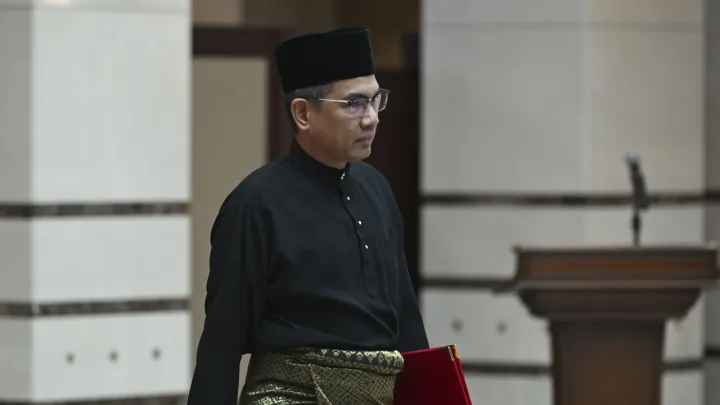
Türkiye's transit tourism
Faisal said his own experience travelling through Istanbul demonstrated another Turkish tourism practice that Malaysia could potentially adapt.
During an about eight-hour layover in Istanbul while travelling to Kazan, Russia, he and a colleague were offered a city tour by Turkish Airlines.
"They brought us from the airport to the city, then on a cruise to see the historical monuments along the Bosphorus Strait [officially Strait of Istanbul], with a little bit of the historical story about every building and the historical part of the Golden Horn," he said.
The program also included a meal before the passengers returned to continue their journey.
"It was a very nice offer because they gave us a small, simple gift that made us want to come again," he said.
"The way they crafted the trip was like giving us a teaser, a very good teaser, so that we would come again and stay in Istanbul and enjoy more."
Faisal said he would like to see Malaysia develop a similar model for passengers spending long transit periods at Kuala Lumpur International Airport.
"I wish that we could do the same thing for tourists who are transiting through KLIA or KLIA2, so that we can bring them to Kuala Lumpur, let them enjoy it, and then they will come again," he said, referring to Kuala Lumpur International Airport Terminal 1 and Terminal 2.
"This is something interesting for us to learn from Türkiye."
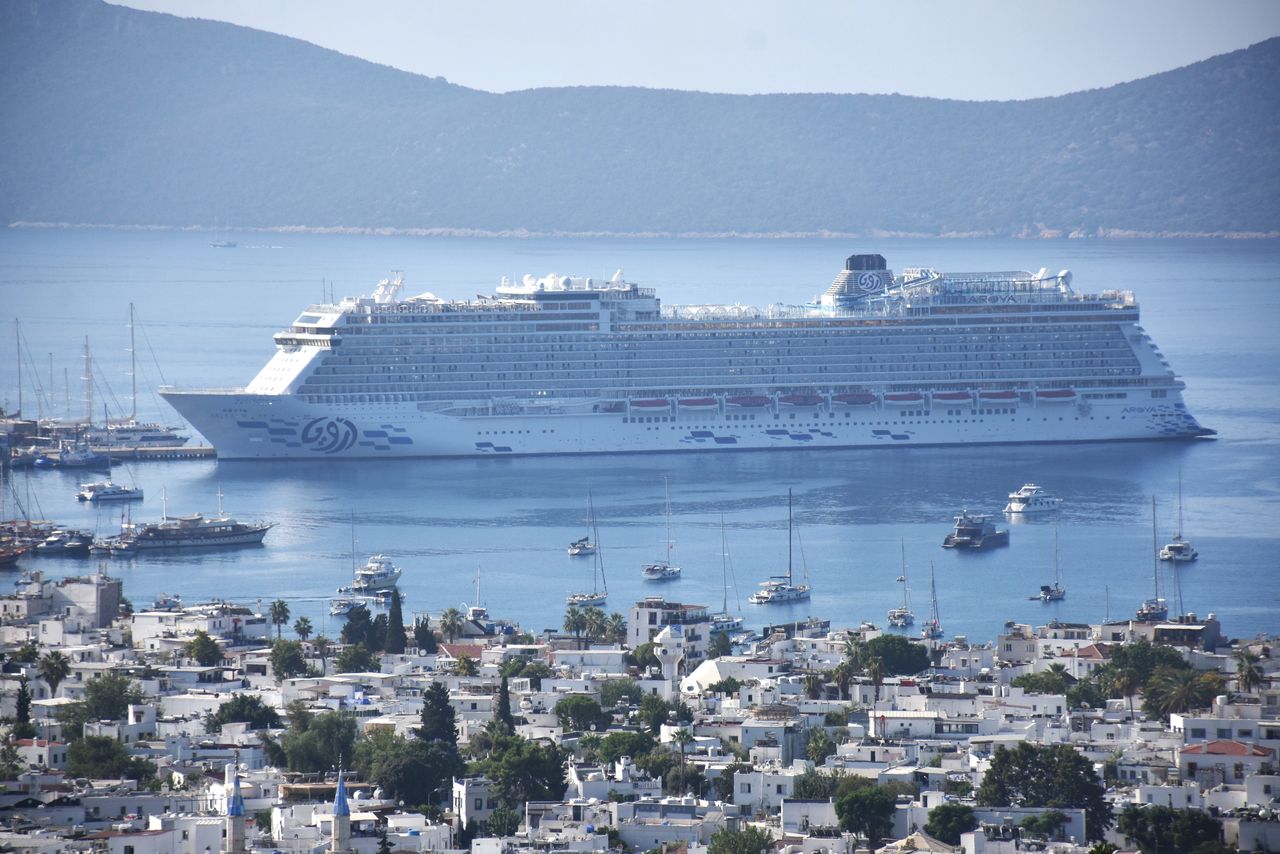
Cooperation can be both ways
Faisal stressed that cooperation would not be limited to Malaysia learning from Türkiye, saying Kuala Lumpur also has experience, particularly in establishing structured standards for Muslim-friendly tourism.
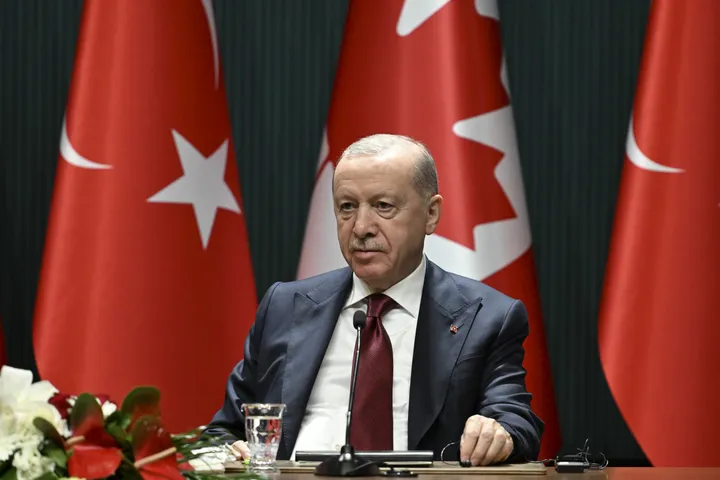
"We can learn from there, but, like I said, we can also share something," he said. "It can be bilateral – both ways."
Malaysia's Islamic Tourism Center, an agency under Malaysia's Ministry of Tourism, Arts and Culture, develops standards, research, training and capacity-building programs for Muslim-friendly tourism and hospitality.
"We focus on Muslim-friendly tourism and hospitality. We do the standards and also capacity building, training and research," Faisal said.
One of its key initiatives is the Muslim-Friendly Tourism and Hospitality Assurance and Recognition, which recognises tourism businesses meeting specified requirements for serving Muslim travellers.
More than 500 businesses and services in Malaysia are registered as Muslim-friendly, including 73 hotels, 39 travel agencies, 11 spa centres and 390 tourist guides.
Faisal said Malaysia's experience with such standards could complement Türkiye's established tourism infrastructure.
"We have the Muslim-friendly assurance recognition, so people who go to Türkiye can find and have a trusted hotel that is Muslim-friendly," he said.
Türkiye already has a substantial Muslim-friendly tourism market, supported by its Islamic cultural heritage and widespread availability of halal food, mosques and accommodation catering to Muslim travellers.
"Türkiye has a very good Muslim and Islamic history, so it will be very easy for Türkiye to get enrolled in this program and, at the same time, reach the Muslim-friendly market," he said.

Expanding Muslim-friendly tourism beyond Muslim countries
Malaysia received 9.7 million Muslim visitors in 2025, with the figure targeted to reach 15.2 million by 2030, according to the centre's data.
The recognition framework is expanding internationally, with the centre developing cooperation in markets including Russia, Taiwan, Indonesia, South Korea and Brazil.
Faisal said Muslim-friendly standards could be particularly valuable in non-Muslim-majority countries, where travellers may have more difficulty identifying suitable hotels, restaurants and other services.
"For non-Muslim countries, we work with the halal certification bodies. Their product now is halal certification, so we add another product, which is the Muslim-Friendly Assurance Recognition," he said.
"They can offer a variety of hotels and halal restaurants. Instead of selling only one product, they can add Muslim-Friendly Assurance to hotels."
"The tourists who go to these non-Muslim countries can be happy because they know they have certain products. We give them assurance and, at the same time, provide the products they need and fulfil their needs," he said.

'We grow together because the market is the same'
Faisal said closer cooperation between Türkiye and Malaysia could also encourage travelers to combine the two destinations rather than viewing them as competitors for the Muslim tourism market.
"It can be two ways," Faisal said. "Certain people can come to Türkiye and then come to Malaysia, or someone going from Malaysia can stay in Türkiye before going to a third country."
"We also share and grow together because the market is the same. Instead of fighting for the market, we can grow together," he said.