Developing nations are demanding a greater role in shaping AI rules, warning that the technology could deepen global inequalities if its development and regulation remain concentrated in wealthy countries.
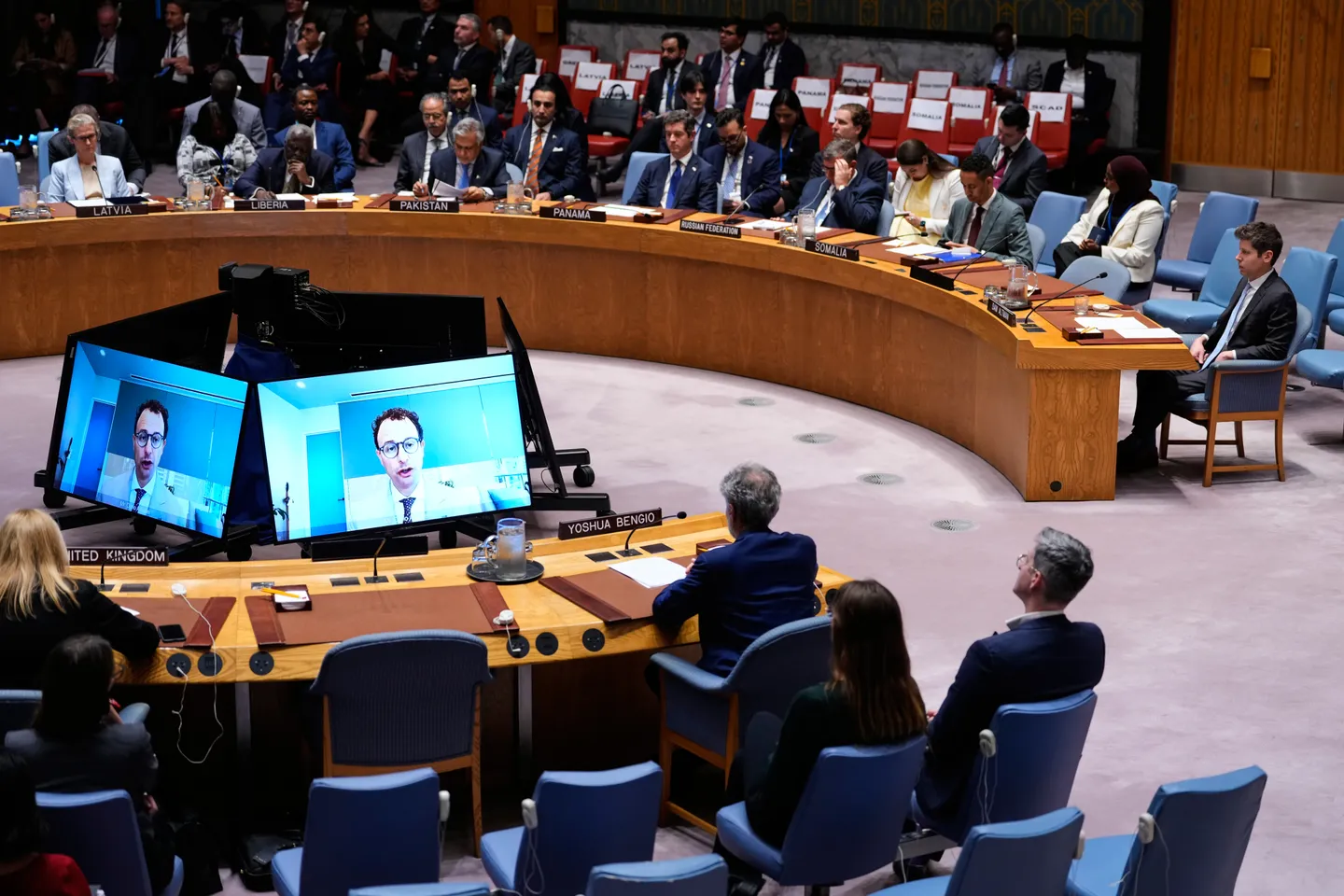
The debate at last week's UN Security Council session in New York brought together leaders from Africa, Asia and Latin America, as concerns grow over AI safety and its potential risks.
“Developing countries cannot be reduced to the role of mere users of technologies designed elsewhere,” said Foreign Minister Therese Kayikwamba Wagner of the Democratic Republic of Congo.
“We must ensure that technological transformations of the 21st century do not reproduce the economic imbalances of previous decades,” she added.
The session featured OpenAI chief Sam Altman and Anthropic CEO Dario Amodei, who urged governments to work together to manage the technology.
‘A question of governance’
Bangladesh Foreign Minister Khalilur Rahman said 128 delegations had addressed AI at this year's UN debate, compared with five addresses four years ago.







“Many framed AI as a question of governance: Who designs it, who benefits? Who bears the risks, and who is accountable when harm occurs?” he said.
The World Bank has said AI could help developing countries gain a century's worth of development in a decade if they close gaps in power, connectivity and skills. The IMF said AI could boost Sub-Saharan Africa's economy by about 4 percent over the next decade under the right conditions.
UN Secretary-General Antonio Guterres compared AI risks with the climate crisis, saying developing nations should have an equal voice in addressing both.
“Artificial intelligence moved at a speed that has blindsided even those who created it,” Guterres said, calling for coordinated global action.
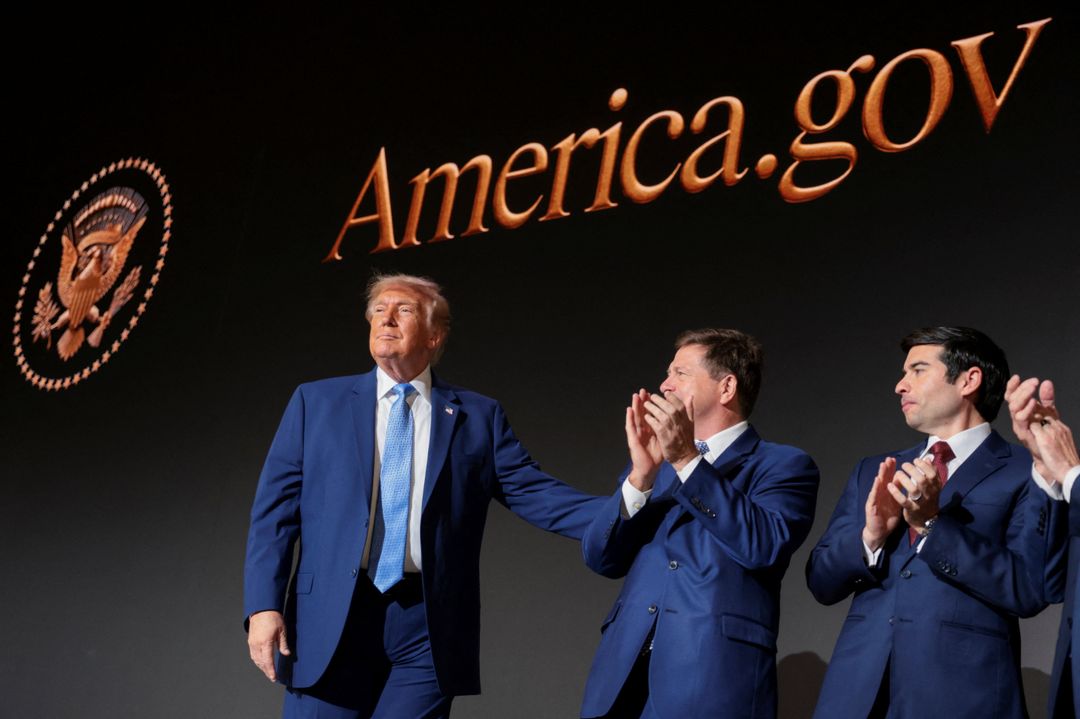
US President Donald Trump, however, has dismissed AI risks as vastly overblown, comparing them with what he called exaggerated warnings about climate change.
Belize Prime Minister John Briceno said AI could widen access to knowledge and improve public services if well governed, but warned that poor governance could deepen inequality, displace workers and leave developing countries dependent on rules designed elsewhere.