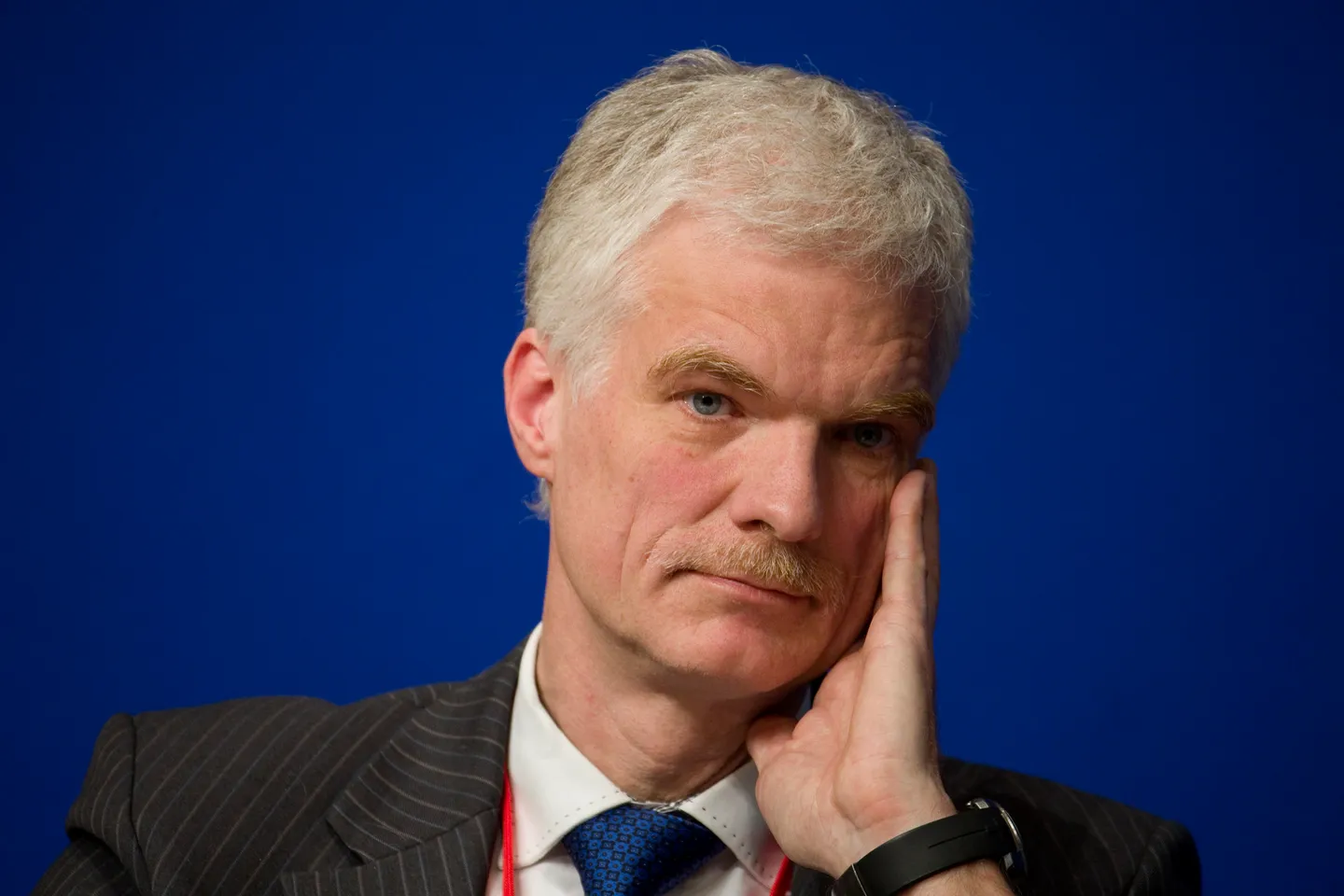
Türkiye's performance in the 2025 cycle of the Organization for Economic Co-operation and Development’s Programme for International Student Assessment (PISA) is a "success story" that the entire world should study closely, said OECD Director for Education and Skills Andreas Schleicher.
According to a statement by Türkiye's National Education Ministry, Schleicher sent a video message congratulating Türkiye on its achievements in the PISA 2025 cycle.
Congratulating Türkiye's teachers and school administrators, he said: "What you have achieved in this latest round of the OECD's PISA assessment is not just good news for Türkiye; it's a story the world should pay attention to."
At a time when many education systems are facing significant challenges, Türkiye stands out as one of the few countries where student performance improved across all three areas, Schleicher said, noting that average results in mathematics, reading and science increased between 2022 and 2025.
He said the proportion of low-performing students has also declined significantly since 2015, demonstrating Türkiye's success in equipping more young people with the foundational skills needed for lifelong learning and future opportunities.
Stressing that the results were not merely the outcome of one successful year, Schleicher said: "We are seeing a school system that is truly on the move.”
Education is where a country writes the blueprint for its future, he said, adding that the students sitting in Türkiye's classrooms today will shape the country's future as engineers, entrepreneurs, doctors, researchers, teachers and public servants.
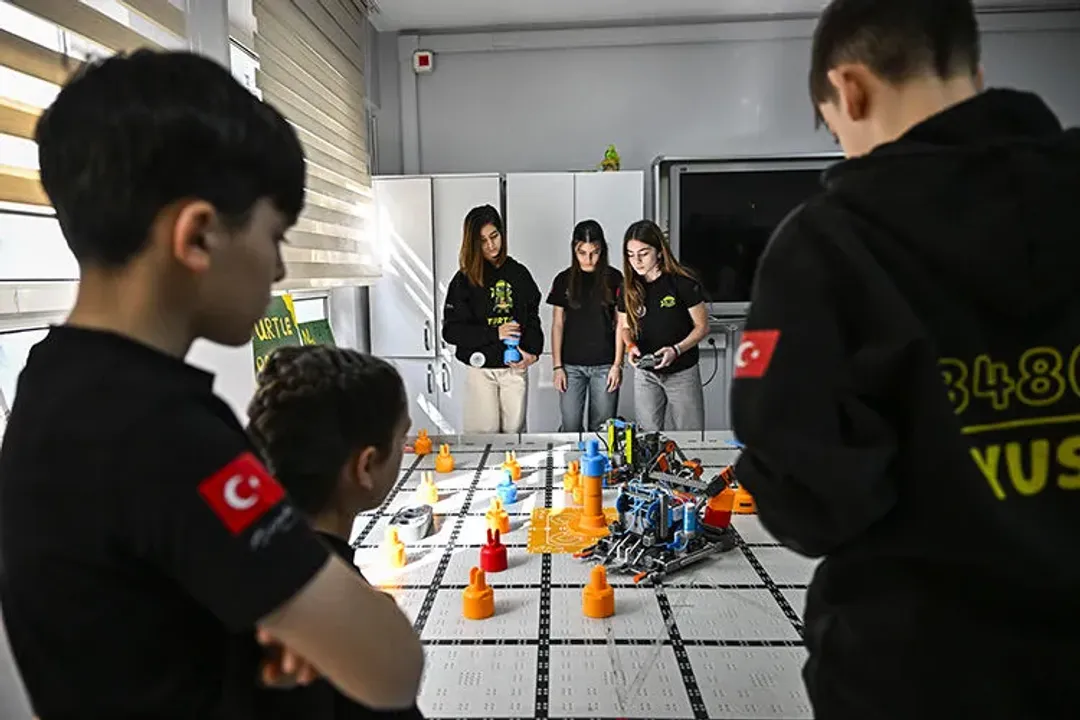
Schleicher said there were other reasons to be optimistic about Türkiye's education story, noting that seven out of every 10 students in the country said their teachers take a close interest in their learning, continue explaining material until students understand it, and provide additional support when they need it most.
Essential foundations

Students also reported a more positive learning environment in their classrooms compared with a decade ago, he said, stressing that education is not simply a mechanical exchange between a teacher transmitting knowledge and a student receiving it but a human process.
Schleicher said there were also encouraging signs in Turkish students' attitudes towards learning.
According to PISA data, many students are eager to discover new things, are able to persevere when things become difficult and believe that ability can be developed through effort, feedback and practice, he said.
Qualities such as curiosity, perseverance, agency and a growth mindset have become essential foundations for success in learning, work and life in a world where knowledge is changing rapidly, and artificial intelligence can generate answers within seconds, he added.
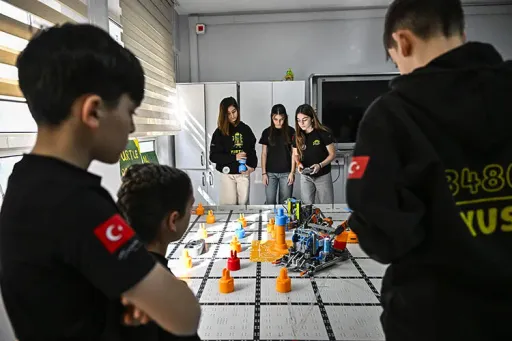
Referring to PISA results showing that Turkish students enthusiastically use digital technologies, including artificial intelligence, Schleicher said the government, recognising this potential, has made addressing shortages of devices a priority and that this could translate into a significant advantage for the future.
He stressed that the relationship between technology and learning depends on how technology is used, adding that the ultimate purpose of technology should not be to make processes easier but to make learners more capable.
Congratulating Türkiye's education community on the results, Schleicher said the opportunity ahead was to continue moving faster and further while ensuring that every child is included in that journey.
"Türkiye's most valuable natural resource is the talent, imagination and potential sitting in your classrooms today," he said.