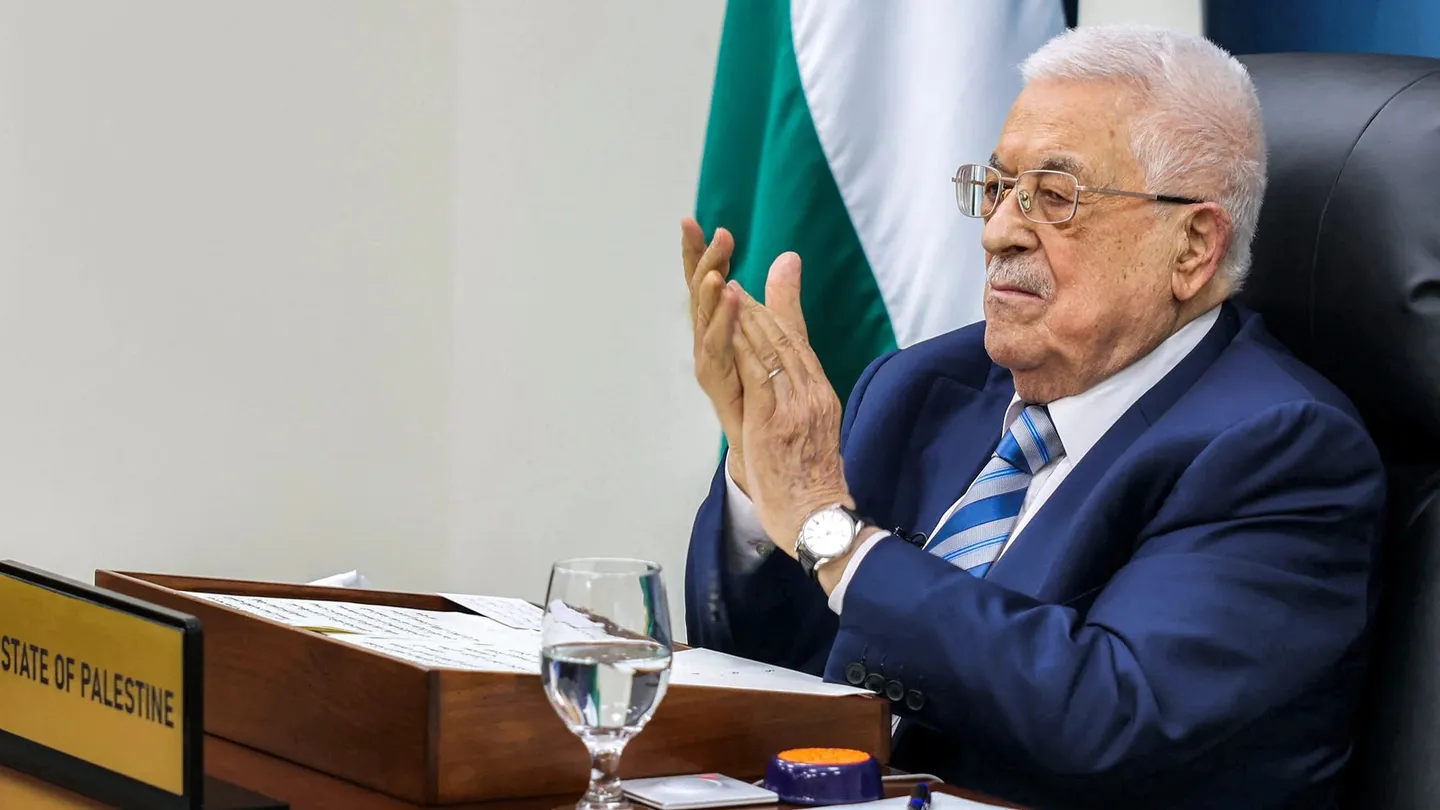
Palestinian President Mahmoud Abbas has announced that presidential elections will be held in early 2027, alongside legislative elections scheduled for November this year, marking the most significant electoral timetable unveiled in years.
Monday’s announcement comes after nearly two decades without a presidential vote.
Abbas, 90, was elected in 2005 for a four-year term, but no subsequent presidential election has been held, with the Palestinian leader governing by decree since then.
In a statement, the presidency said Abbas had ordered preparations for the presidential election and issued a decree introducing changes to electoral procedures.
In a separate statement, Abbas said he was “fully prepared” to organise elections for the Palestinian National Council (PNC), including legislative voting in the Palestinian territories and among Palestinians living abroad.
The last legislative elections were held in 2006, when Hamas defeated Abbas’ Fatah movement, reshaping Palestinian politics and contributing to a prolonged institutional deadlock.
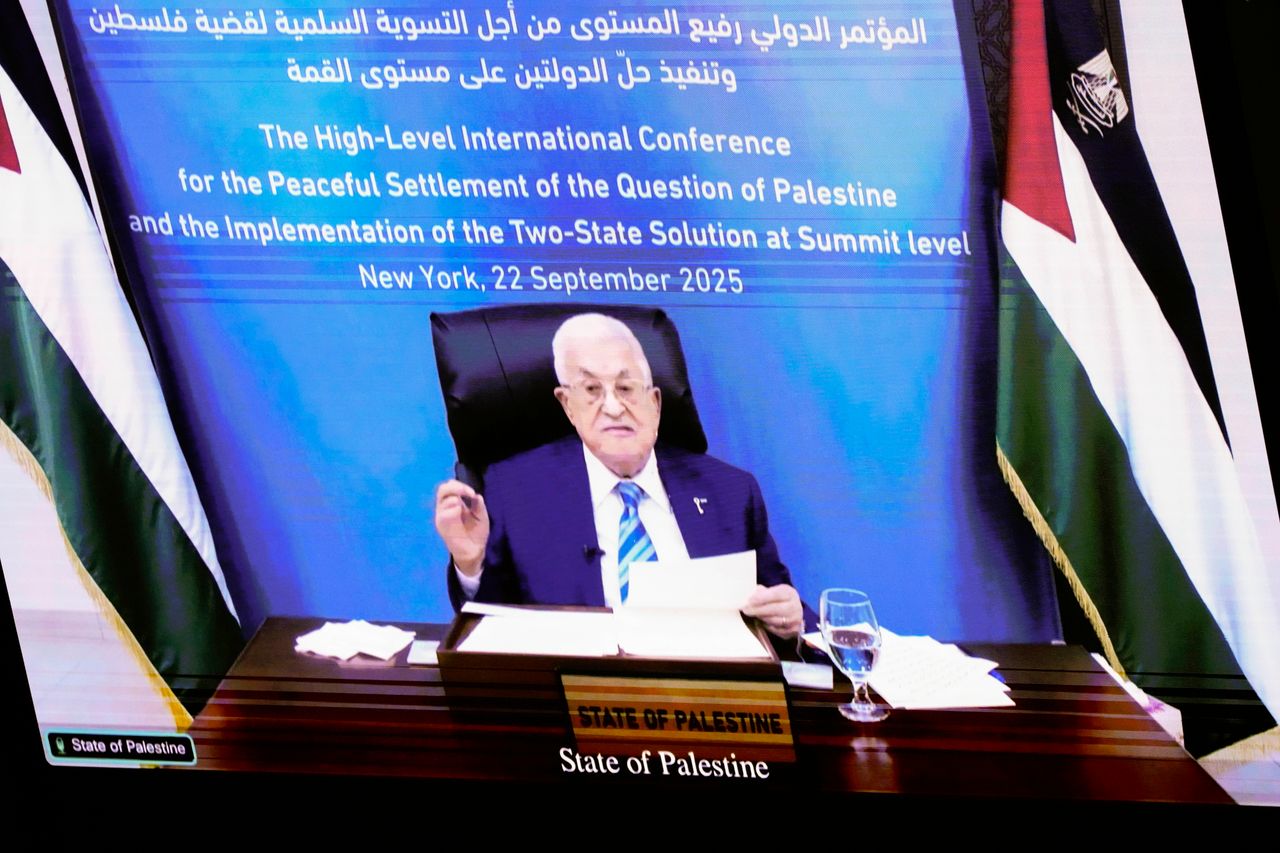

Reforms, pressure and unresolved hurdles
Political analyst and legal researcher Mahmud Al-Afranji said both political will and international pressure were pushing the Palestinian leadership towards elections.
However, he warned that uncertainty over voting arrangements in occupied East Jerusalem and Gaza remains a major challenge.
Those same issues derailed a previous election plan in 2021, when Abbas indefinitely postponed legislative and presidential votes, citing a lack of guarantees that Palestinians in occupied East Jerusalem would be able to participate.
The latest announcement follows municipal elections held in the occupied West Bank in April, the first Palestinian vote since the start of Israel’s genocide in Gaza in October 2023.
The European Union described those local elections as an important step towards broader democratisation and stronger local governance.
With no presidential or legislative elections held since 2006, many Palestinians and international observers view the newly announced timetable as a key test of whether long-promised political reforms can finally move forward.