 Murat Sofuoglu
Thirty years ago on June 18, Benjamin Netanyahu became Israel's youngest prime minister at 46.
Since then, the Likud leader has become Israel's longest-serving premier, earning a reputation as a “political fox” capable of building coalitions with a wide range of partners to stay in power.
His supporters have often portrayed this pragmatism as a strategy to ensure Israel's long-term security in a volatile region.
But ahead of the October election, Netanyahu's political skills are set to face one of their toughest tests yet.
From Israel's genocidal war in Gaza to the inconclusive outcome of the Iran war, a series of developments has complicated his political standing.
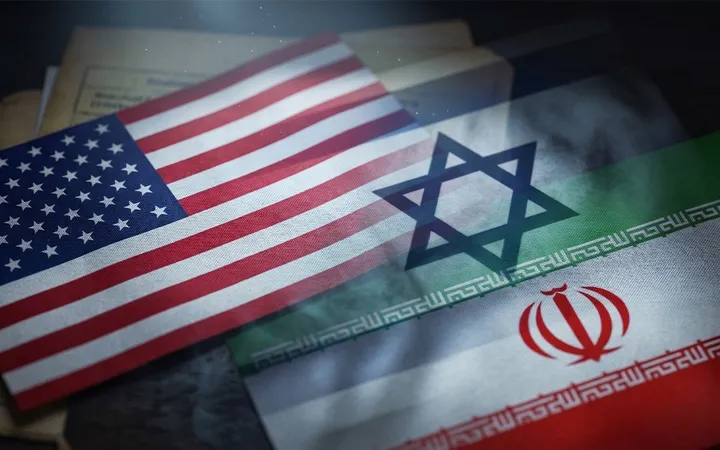
The recent US-Iran Memorandum of Understanding (MoU), which has angered some of Netanyahu's most hardline coalition partners, has added another layer of uncertainty to an already challenging electoral landscape.
Tensions between Washington and Tel Aviv have also become increasingly visible. Disagreements over the end of the Iran war, as well as continued Israeli military actions in Lebanon, have exposed growing strains between the two allies.
Netanyahu and his supporters had initially celebrated US involvement in the conflict with Iran, viewing it as a major strategic achievement. However, the subsequent diplomatic agreement with Tehran has altered the political equation.
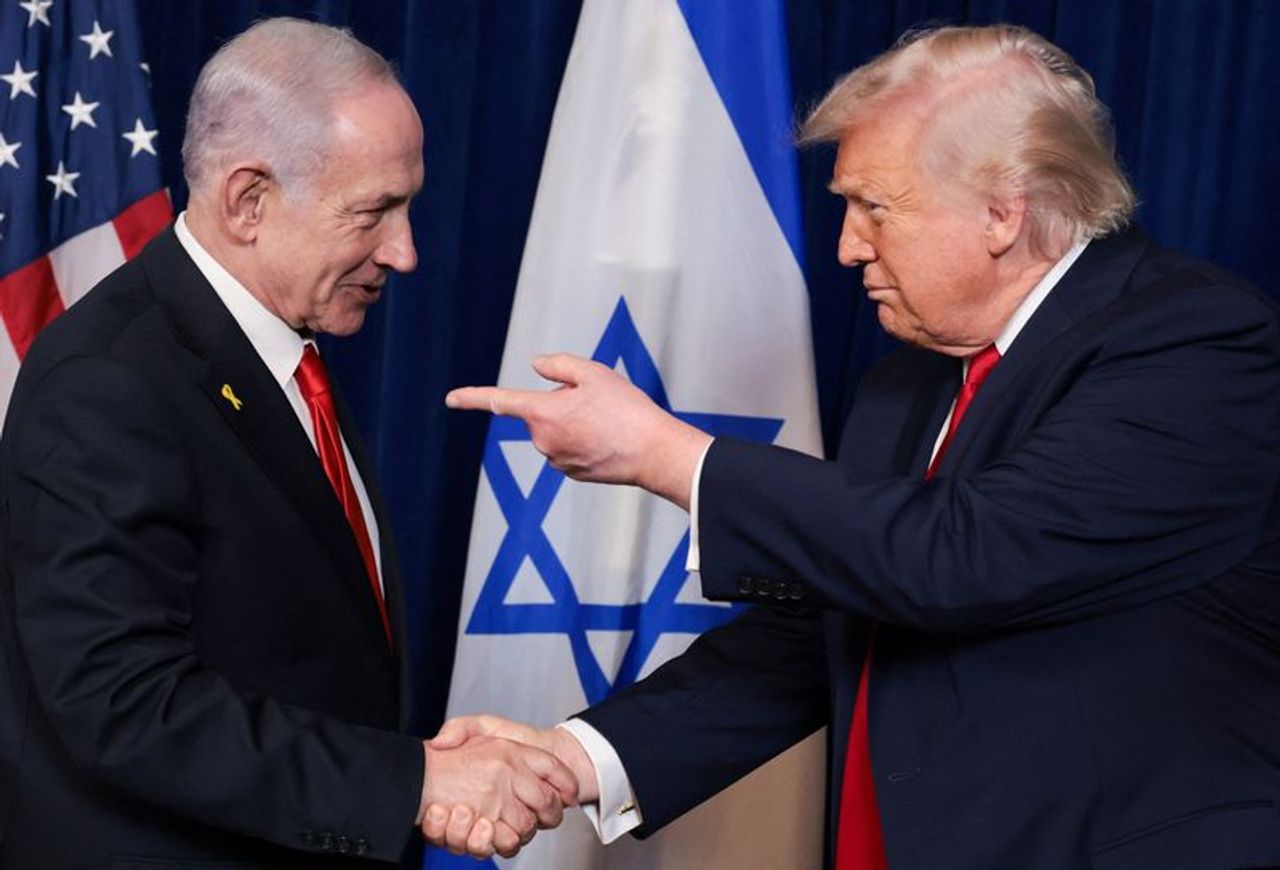
"You’d be in prison if it weren’t for me. I’m saving your ass. Everybody hates you now. Everybody hates Israel because of this," said the US president in a recent heated phone call with Netanyahu.
Netanyahu's current predicament dates back to December 2022, when he formed what many observers described as Israel's most hardline coalition government.
The alliance helped him return to power while he faced multiple corruption cases that continue to cast a shadow over his political future and legacy.
Is the victory narrative falling apart?
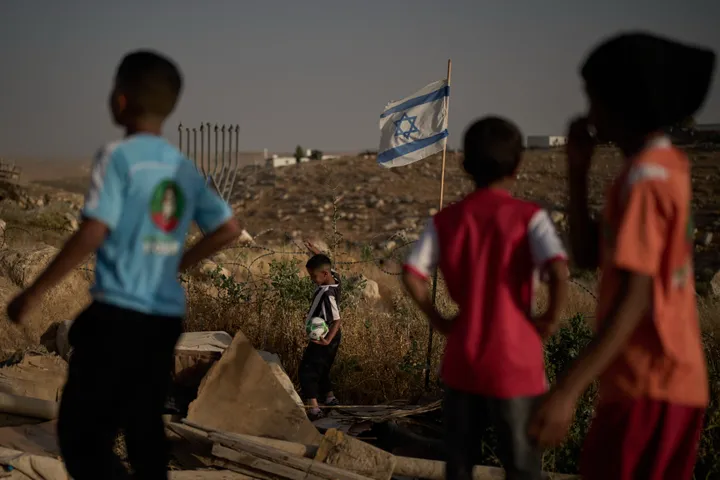
Under pressure from extremist partners, including National Security Minister Itamar Ben-Gvir and Finance Minister Bezalel Smotrich, a prominent advocate of the Greater Israel project, Netanyahu has overseen not only the expansion of illegal settlements across the occupied West Bank but also an increasingly confrontational agenda spanning Gaza, Lebanon and Iran.
Yet these military offensives have failed to deliver the decisive outcomes Netanyahu had hoped for.
Hamas continues to hold large parts of Gaza, Hezbollah keeps fighting Israeli forces in Lebanon, and Iran's political system remains intact, exposing the limits of constant warfare for a country of just nine million people.
After years of waging war from Lebanon to the Houthis in Yemen, and most recently against Tehran, “Netanyahu cannot claim that the Iranian threat has been strategically removed,” Luciano Zaccara, a Gulf-based political analyst, tells TRT World.
The US deal with Tehran signals that Iran has survived the war “as a damaged but still relevant regional power,” according to Zaccara.
On Thursday, US Vice President JD Vance, whom President Trump tasked with concluding a peace deal with Iran, issued a clear warning that appeared directed at Israel's leadership, which has reportedly reacted negatively to the agreement.
“You’re a country of nine million people. You can’t just kill your way out of solving every single national security problem that you have,” he said.
His remarks were widely interpreted as a response to several ministers from Netanyahu’s extremist cabinet, who attacked the Trump administration’s MoU with Iran, which many of the Israeli prime minister’s allies view as an American betrayal of Tel Aviv.
While some Israeli analysts called it “catastrophic capitulation”, others said Israel cannot outsource its security to the US under such a deal.
“It is resented by most Israelis by treating Israel’s security concerns as subordinate to US national interests, an affront to Israeli sovereignty,” Richard Falk, a leading international affairs expert, tells TRT World.
Facing mounting pressure from hardline allies, Netanyahu reportedly told Trump that Israel would not be bound by the US-Iran agreement, raising questions about the deal's durability in an already volatile region.
“Netanyahu’s internal narrative would be that Israel achieved the main goals of the war, that Iran will not be allowed to obtain a nuclear weapon ‘with or without an agreement’ and that Israel retains freedom of action, especially regarding Lebanon and Hezbollah, in order to survive politically,” Zaccara says.
Is Bibi going down?
From regional setbacks and mounting tensions with the Trump administration to an increasingly visible trust gap between Netanyahu and his hardline coalition partners, analysts see numerous challenges facing the Israeli leader ahead of October's election.
Many believe the US-Iran deal will only deepen his political difficulties.
“The Iran deal weakens him politically because it attacks the core of his political brand, that only he can manage Trump, Washington, Iran and Israel’s security. The opposition will argue that Iran survived, Hezbollah was not eliminated, the US moved without Israel, and Netanyahu lost control over the diplomatic endgame,” Zaccara tells TRT World.
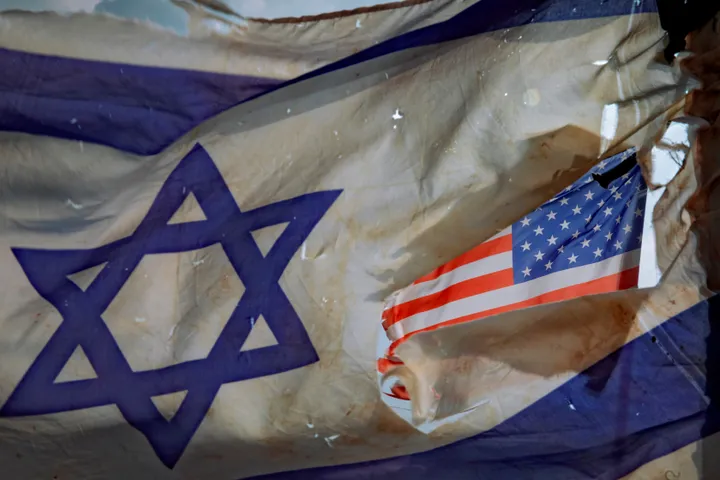



Israeli opposition figures have already begun making that case.
“Israeli citizens are waking up to an agreement between the United States and Iran made over Israel's head,” Yair Golan, leader of Israel’s Democrats Party, wrote on X.
“This is the culmination of long years of failure,” he said, arguing that Netanyahu had sold Israelis “a false image of security”.
Another opposition leader, Yair Lapid, also accused Netanyahu of losing control of events in Lebanon, citing the Trump administration’s agreement with Iran, which includes a new Israel-Hezbollah truce. “There has never, ever, been a more absolute failure than Netanyahu’s diplomatic failure on the Iranian front,” he said.
The criticism comes as the costs of Israel’s regional conflicts continue to mount.
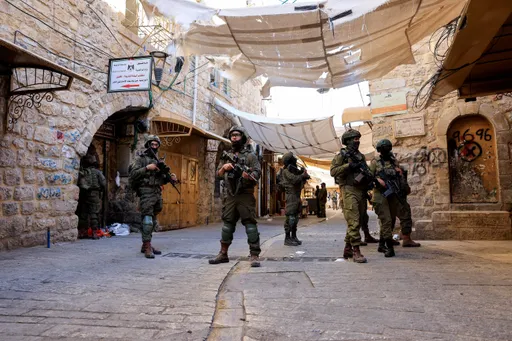
Most recently, the Israeli military announced the deaths of four soldiers, including a battalion commander, after a Hezbollah attack on Israeli tanks in southern Lebanon, where Israeli military offensives have caused widespread destruction.
If Netanyahu does not react to growing delicate internal and external realities against his policies, “his political future would certainly change drastically,” Zaccara tells TRT World.
Falk also sees Netanyahu's prospects of remaining in power diminishing ahead of the October election, though he cautions that considerable uncertainty remains.
“It currently seems that many Israelis are highly critical of Israel for miscalculating, as did Trump and the US, the difficulties of relying on military dominance to secure a favorable outcome from such a resolute adversary with a variety of measures to counteract its military vulnerability,” Falk tells TRT World.
“This remains the unlearned lesson of the Vietnam War in which the US had total military dominance and yet lost the war.”
Despite this, Falk expects Netanyahu's government to continue pursuing military pressure through selective strikes in Lebanon and possibly against Iran in an effort “to undermine the durability of the agreement”.
“This again would likely turn out to be a disastrous tactic, even if it had the endorsement of Trump, and might be the end of Netanyahu as a so-called credible Israeli leader.”
In a recent statement, Trump offered conditional support for Netanyahu ahead of the upcoming election.
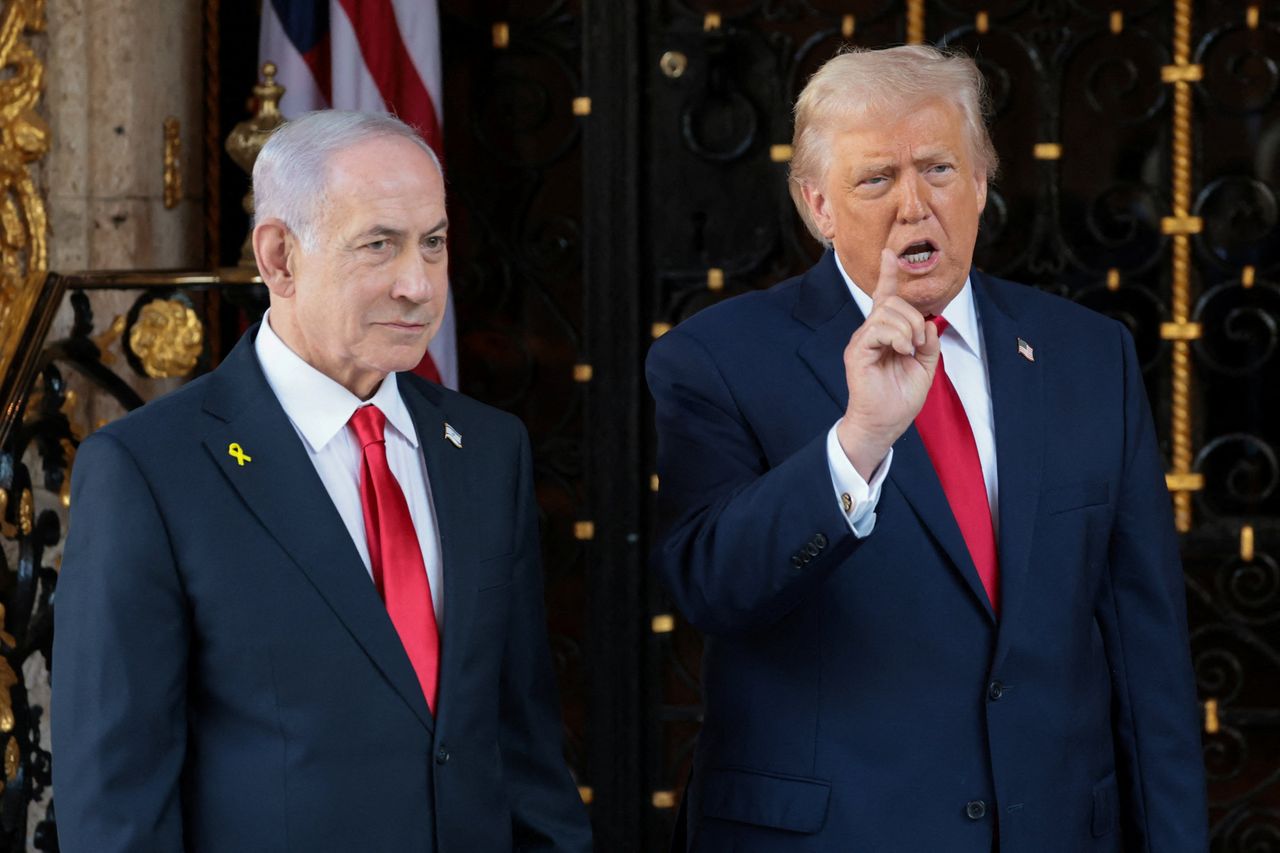
"I'll have to look at who's running, but I like Bibi (Netanyahu) very much. I would be most likely to endorse him," Trump said during an interview with KAN News, an Israeli broadcaster.
"But I need to see who is running. I have a good relationship with Bibi, but he needs to be more rational. I am willing to meet with him. He's doing a very good job; he's got to be a little bit more rational," added Trump.
If the US-Iran deal holds
Experts say the US-Iran agreement could further complicate Netanyahu’s reelection prospects.
The deal not only offers Iran sanction relief and a reported $300 billion investment fund but also leaves the future of Iran’s nuclear programme to further negotiations - an outcome likely to unsettle the Israeli political establishment.
“If the deal holds, the election will likely become a referendum on Netanyahu’s Iran strategy. Hardliners may accuse him of failing to stop Trump, while more pragmatic voters may ask why Israel remained locked in Gaza, Lebanon and Iran without a decisive result,” Zaccara says.
A recent poll shows that only 11 percent of Israelis believe their country won war on Iran. Another survey showed that Netanyahu’s coalition bloc is not favoured to win a majority in Knesset.
“The deal does not automatically end Netanyahu’s chances, but it deprives him of the clear victory narrative he needs before an election. Paradoxically, the continuity of the war provided him this victory narrative, but peace would deprive him of that.”
Facing growing criticism, Netanyahu has sought to limit the political fallout from the US-Iran agreement, attempting to navigate between hardliners’ maximalist demands and the need to prevent further deterioration of his relationship with the Trump administration.
According to Falk, Netanyahu will try to do his best “minimising the strain surrounding the agreement as nothing more than a family squabble”.
A recent statement by the Israeli leader appeared to reflect that approach.
“The struggle is not yet over, and further challenges lie ahead. They require calm judgement, steadfast defence of Israel's security interests, and at the same time the preservation of our vital relationship with our American friends, who stood shoulder to shoulder with us in this fight -- a partnership we deeply appreciate," it said.
Falk, however, is sceptical that Netanyahu will be able to preserve his relationship with Trump indefinitely, warning that a breakdown could further weaken his political position.
“This posture might not withstand scrutiny, as the agreement, if it holds, could leave Iran as a stronger political force in the region and contribute to a broader shift against Israel across the Arab world,” Falk says.
“Alternatively, Iran might be greeted by a new leadership in Tel Aviv that seeks normalisation of relations with Tehran. Time will tell.”