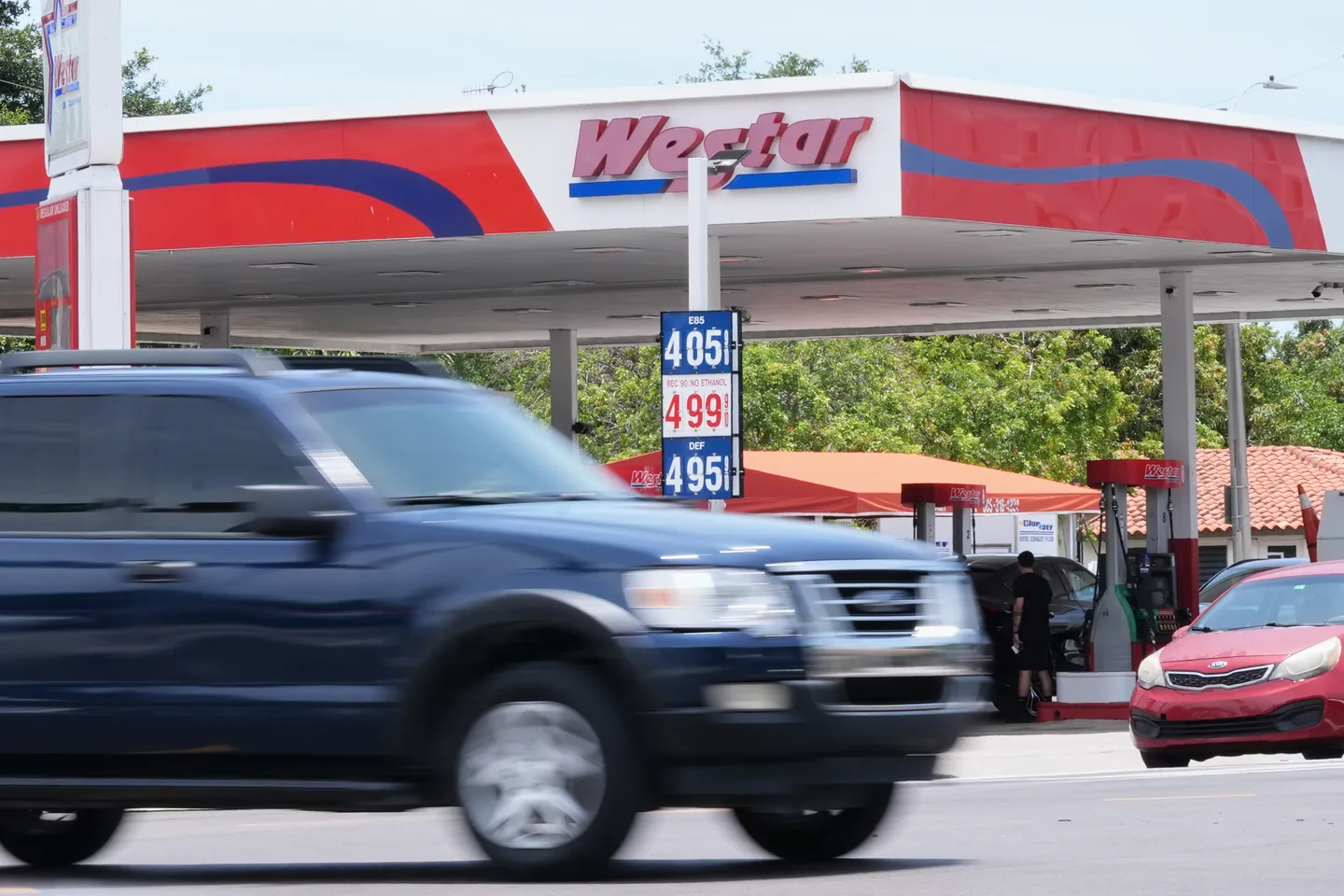
US gasoline prices have jumped back to an average of $4 per gallon, according to the AAA motor club, as Iran said it was fighting a "full-scale war" with the US while both sides intensified attacks, coupled with a decision by Yemen’s Houthis to impose a maritime embargo on Saudi Arabia and its energy exports through the Bab al Mandab Strait.
The uptick underscores the political risks faced by US President Donald Trump ahead of crucial midterm elections in November, with affordability shaping up to be a key worry among voters.
Prices at the pump breached this threshold in March after US-Israel war on Iran sparked Tehran's retaliation in virtually closing off the Strait of Hormuz — a key waterway for energy transit.
Global oil prices soared in the wake of the war, sending US gasoline costs higher as well.
Prior to that, the last time prices surged above $4 a gallon was in 2022, on the back of Russia's war on Ukraine.
The national average cost for a gallon of regular gasoline was $3.14 a year ago.
US households saw some temporary respite in recent weeks as gasoline prices — which have been squeezing families' budgets — dropped below the $4 per gallon average on an interim deal between Washington and Tehran.
Return to pre-July 9 position
But fighting has since resumed.
American households have been hit by years of price increases, and the energy price shock this year sent inflation to a three-year high.
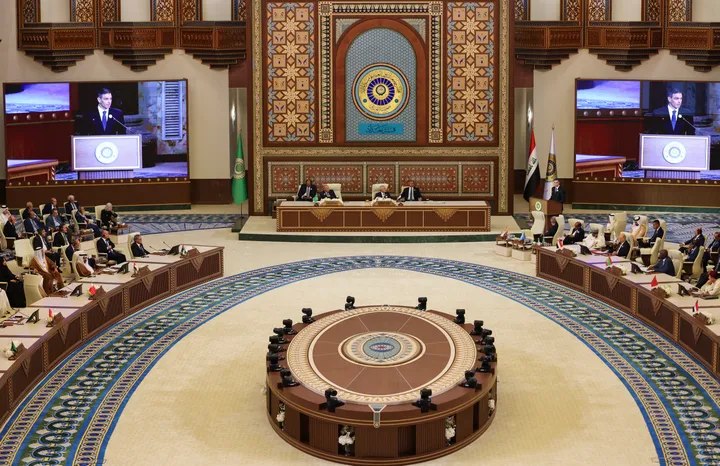
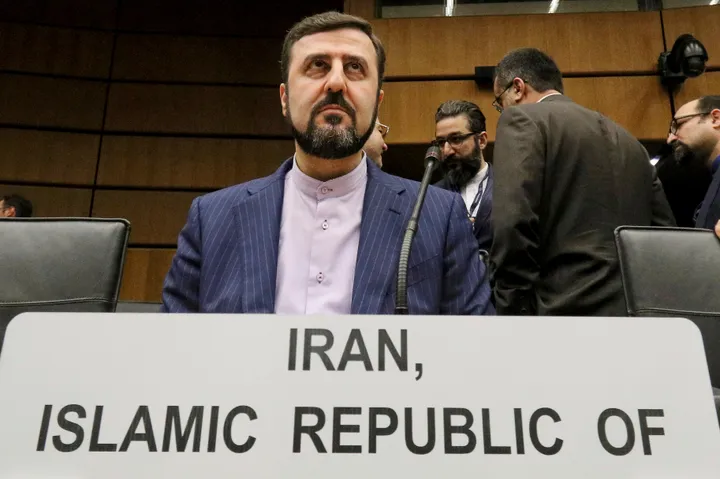
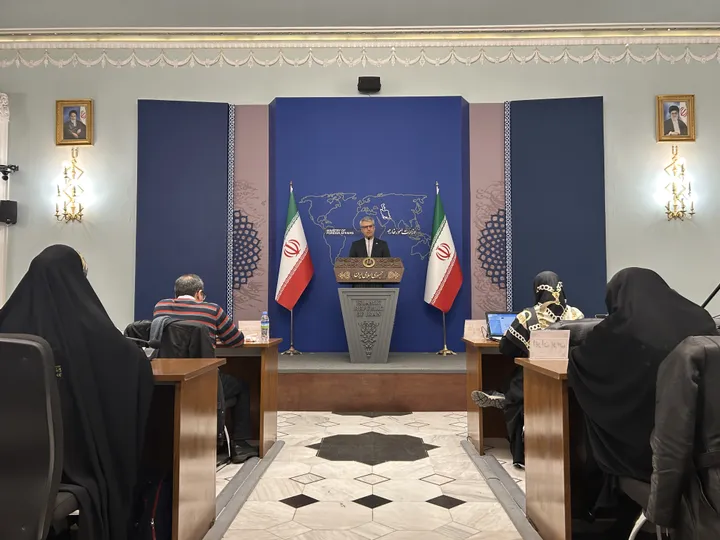
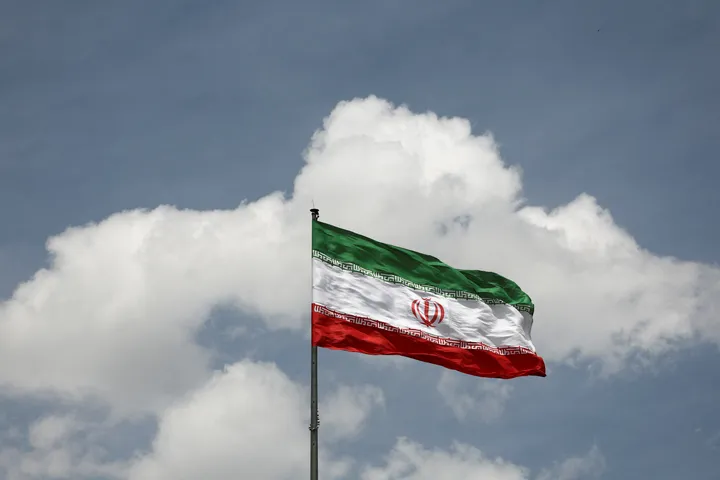

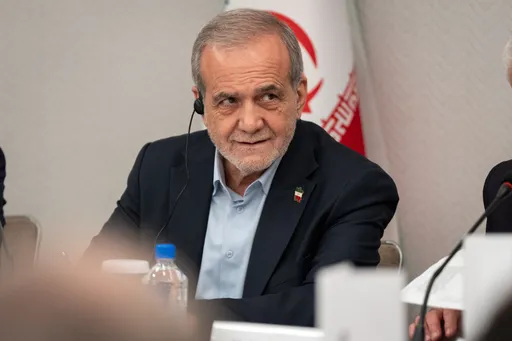
Iran said on Monday that it is fighting a "full-scale war" with the United States, as Washington widened attacks across Iran. Tehran, in turn, continued its strikes across the region, mainly on America’s Gulf allies and bases.
For now, Iran's Interior Minister Eskandar Momeni is set to travel to mediator Pakistan's capital on Monday, a Pakistani source said.
Iran's foreign ministry spokesperson also signalled on Monday that diplomatic exchanges with the United States — via mediators — were ongoing.
A joint de-escalation proposal by Pakistan and Qatar has meanwhile urged the US and Iran to return to their pre-July 9 positions "as a first step" to resume stalled talks to permanently end their months-long war, Pakistani government sources told Anadolu Agency on Monday.
The proposal, jointly drafted by Islamabad and Doha after "consulting regional partners," called on both sides to return to the positions they held before the beginning of the fresh hostilities, the sources added.
Bab al Mandab blockade
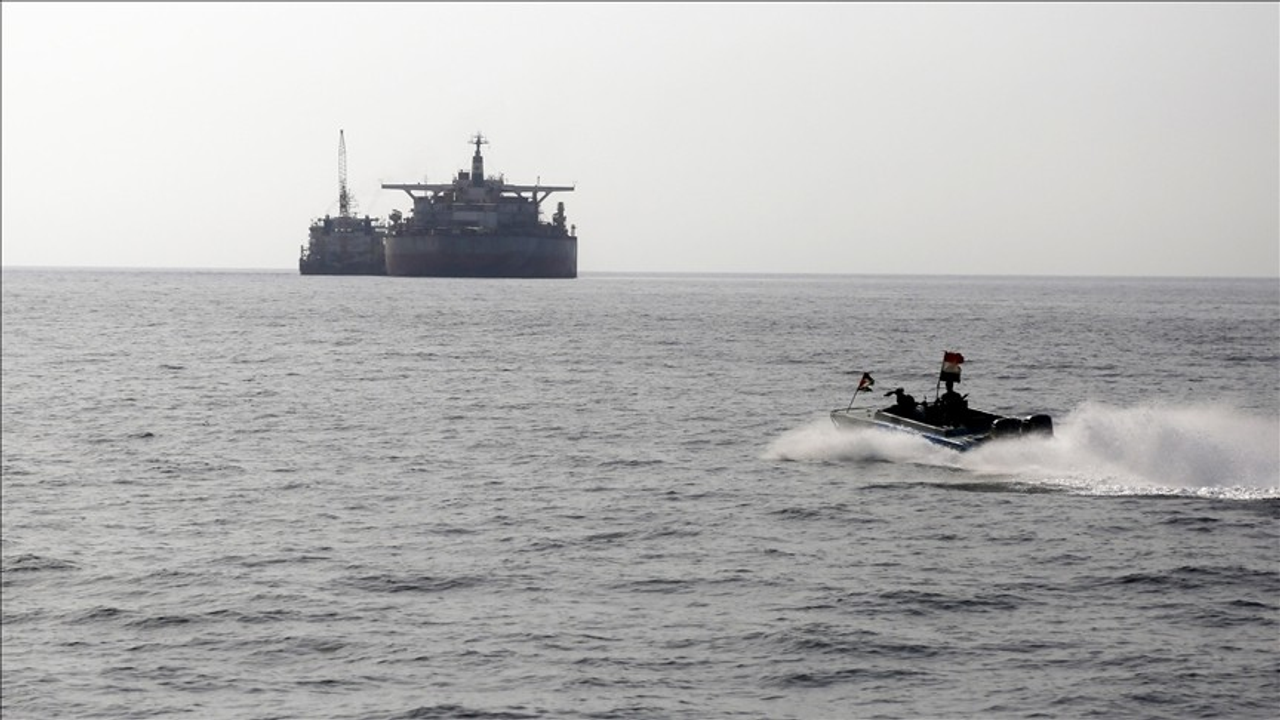
Global energy prices are expected to rise further after Yemen's Houthi group announced a maritime embargo on Saudi Arabia, threatening the top oil exporter's ability to bypass the Strait of Hormuz and use the Bab al Mandab Strait.
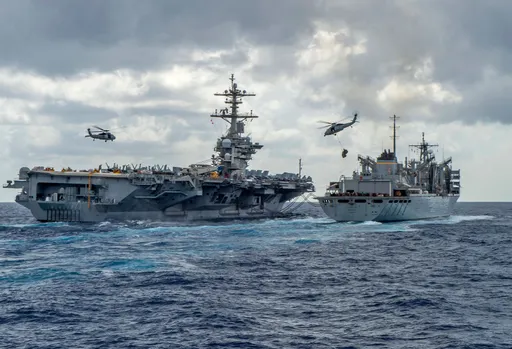
The move, if successful, will further disrupt a global energy market already significantly restricted by Iran's effective closure of the Strait of Hormuz and US naval blockade of Iranian ports.
The Bab al Mandab is a major global chokepoint located between Yemen on the Arabian Peninsula and Djibouti and Eritrea in the Horn of Africa, connecting the Red Sea with the Gulf of Aden and the Indian Ocean.
The blockade is also expected to hurt global markets that rely on Saudi Arabia — the world's leading crude exporter, producing over 10 million barrels per day — for their energy imports.