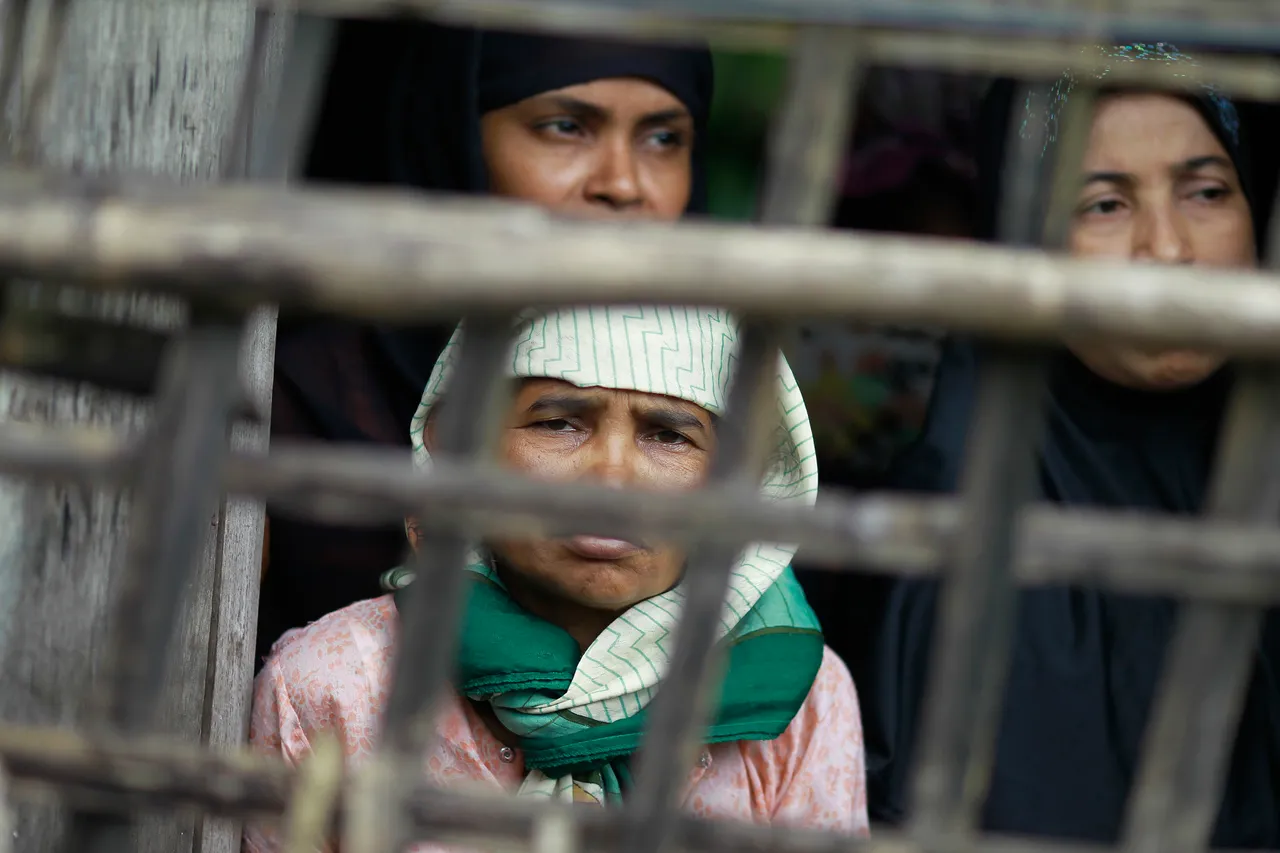
Sexual violence against Rohingya women and girls is becoming rampant along with illegal detention and coercion under the armed rebel group Arakan Army in the northern parts of Myanmar’s Rakhine State.
According to a report by the Burmese Rohingya Organisation UK (BROUK) released on Thursday, Rohingya women and girls are facing widespread rape and torture amid displacements and overall worsening humanitarian conditions.
A Muslim ethnic minority group that has lived for centuries in predominantly Buddhist Myanmar, the Rohingya have suffered decades of violence.
In particular, they have faced systematic persecution since 1978, when the military regime of General Ne Win launched Operation Dragon King, which drove about 200,000 Rohingya into Bangladesh.
Many of them later returned, only to face renewed cycles of discrimination, denial of citizenship under the 1982 Citizenship Law that turned members of the community into “resident foreigners”.
A massive wave of violence in August 2017 in the country’s Rakhine State, a coastal province in Western Myanmar, forced more than 750,000 people to seek refuge in Bangladesh as entire villages were burned to the ground, killing thousands of families.
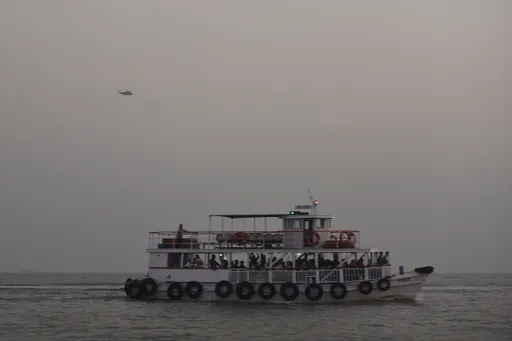
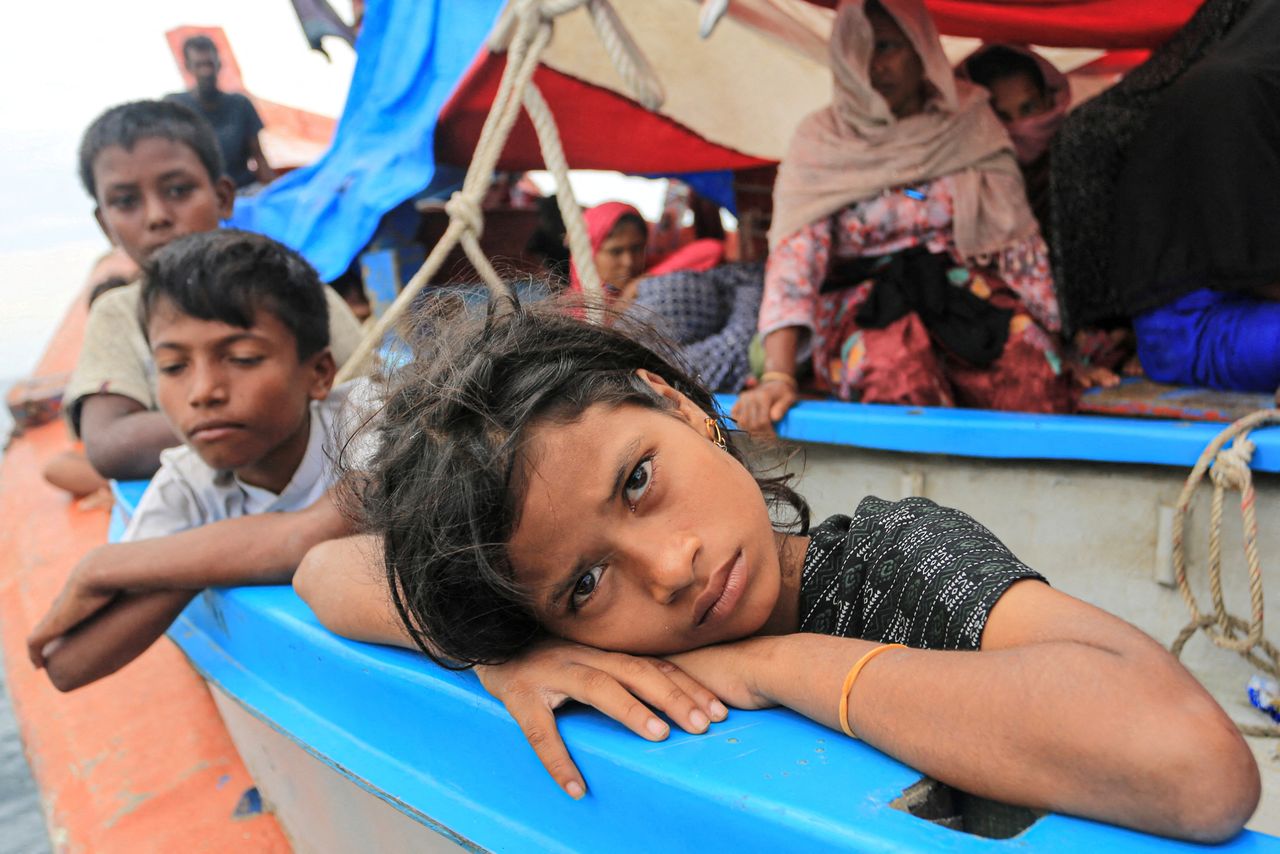
The latest findings in the BROUK report come as more than 150,000 Rohingya have fled into Bangladesh since late 2023. Nearly 900 Rohingya refugees were reported dead or missing at sea in 2025, making it the deadliest year on record for Rohingya maritime crossings.
The UN High Commissioner for Refugees recently described the Andaman Sea as an “unmarked grave” for Rohingya refugees.
The report documents rape, gang rape and threats of sexual violence against Rohingya women and girls in northern Rakhine State.
The Arakan Army is one of the several ethnic armed groups fighting Myanmar’s junta. The group controls vast swathes of western Myanmar as a de facto state.
The report states that the Arakan Army is subjecting Rohingya women and girls to sexual violence during recruitment raids, arbitrary detention and incommunicado confinement.
They detain Rohingya women and girls incommunicado, inflicting sexual violence as a tool of repression.
Nearly nine years after the Rohingya genocide, perpetrators of mass atrocities still have not been held accountable, while Rohingya communities continue to face persecution, denial of citizenship and severe restrictions imposed by both the Burmese military and the Arakan Army, it said.
A case of genocide
BROUK President Tun Khin said the international community has failed to dismantle the system that enabled genocide against the Rohingya.



“Today, those same structures are being reproduced under new authorities. This should deeply alarm the international community,” he said.
In one documented case, a 22-year-old Rohingya woman was gang-raped by seven rebels while fleeing violence with her husband. Her husband was later murdered.
In another case, a young Rohingya woman fleeing attacks became separated from her family while trying to escape. She was later found after being raped by multiple members of the Arakan Army.
“These attacks took place as Rohingya communities were scattered, displaced and left without protection during flight from violence,” the report said.
In 2022, the US formally determined that the Myanmar military had committed genocide against the Rohingya. About $1 billion belonging to Myanmar’s military rulers remains frozen in the US banking system since 2021.
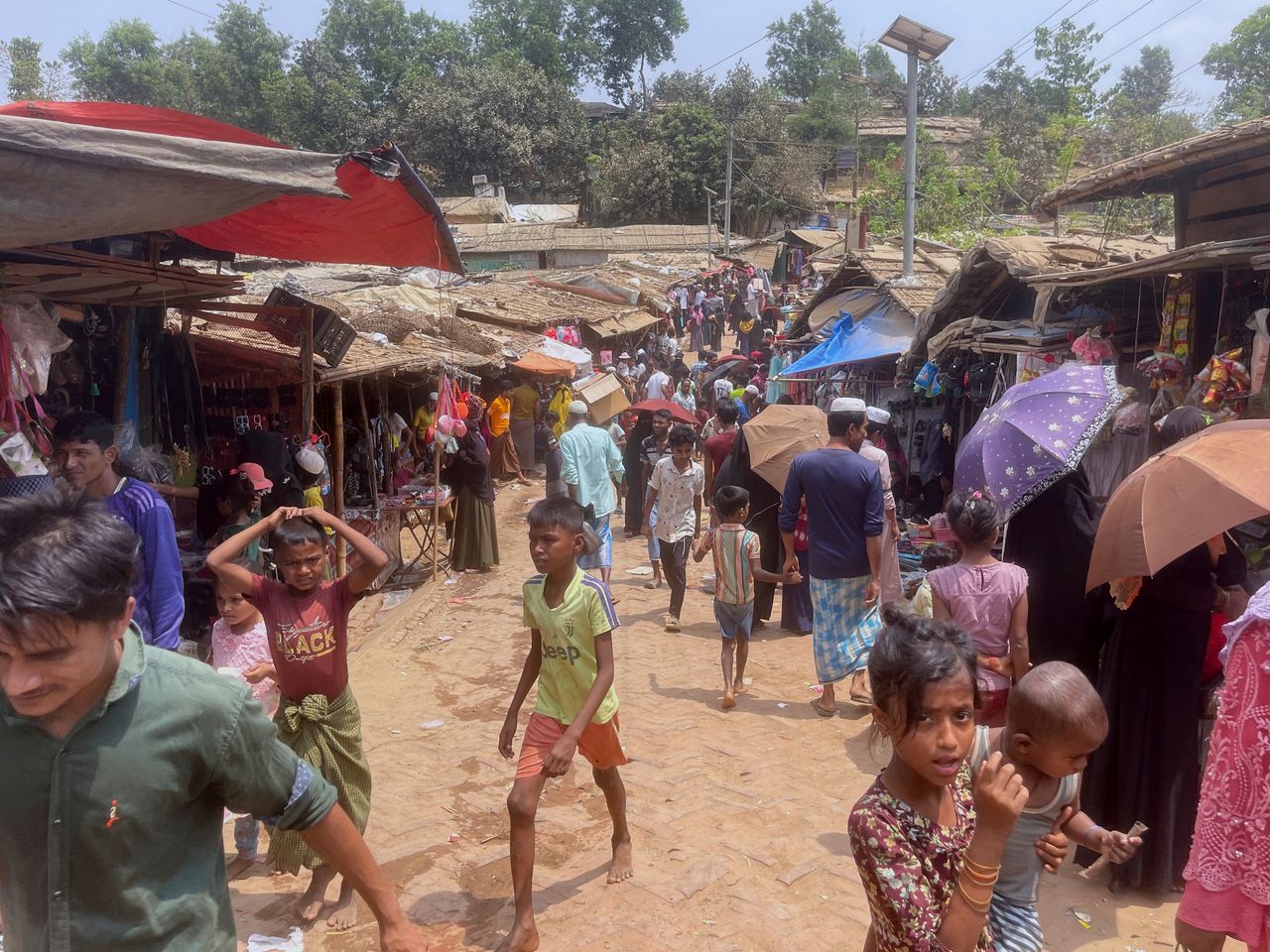
Today, over a million Rohingya remain in overcrowded camps in Bangladesh, facing little prospect of safe return.
Inside Myanmar, those who stayed suffer severe restrictions, while the country has been plunged into civil war since the military’s 2021 coup against the elected government of Aung San Suu Kyi, who herself is now imprisoned.
What began as widespread protests has now evolved into a nationwide armed resistance involving ethnic militias and pro-democracy fighters challenging the junta, also known as the Tatmadaw or feudal army.
The military controls major cities like Yangon, but rebels hold parts of border regions, leading to a patchwork of control that experts describe as “internal balkanisation”.
Since 2023, the Arakan Army has expanded its territorial control across large parts of Rakhine State amid escalating conflict and widespread civilian displacement.
The majority of incidents documented in the report were reported from northern Rakhine State, where Rohingya communities have faced forced recruitment, detention, movement restrictions and heightened protection risks under the Arakan Army.
The BROUK report calls for UN Security Council action on an urgent basis over violations of the International Court of Justice’s provisional measures and ongoing abuses against Rohingya communities in Rakhine State.
It also calls for increasing humanitarian access and funding for Rohingya communities in Rakhine State and refugee camps in Bangladesh.