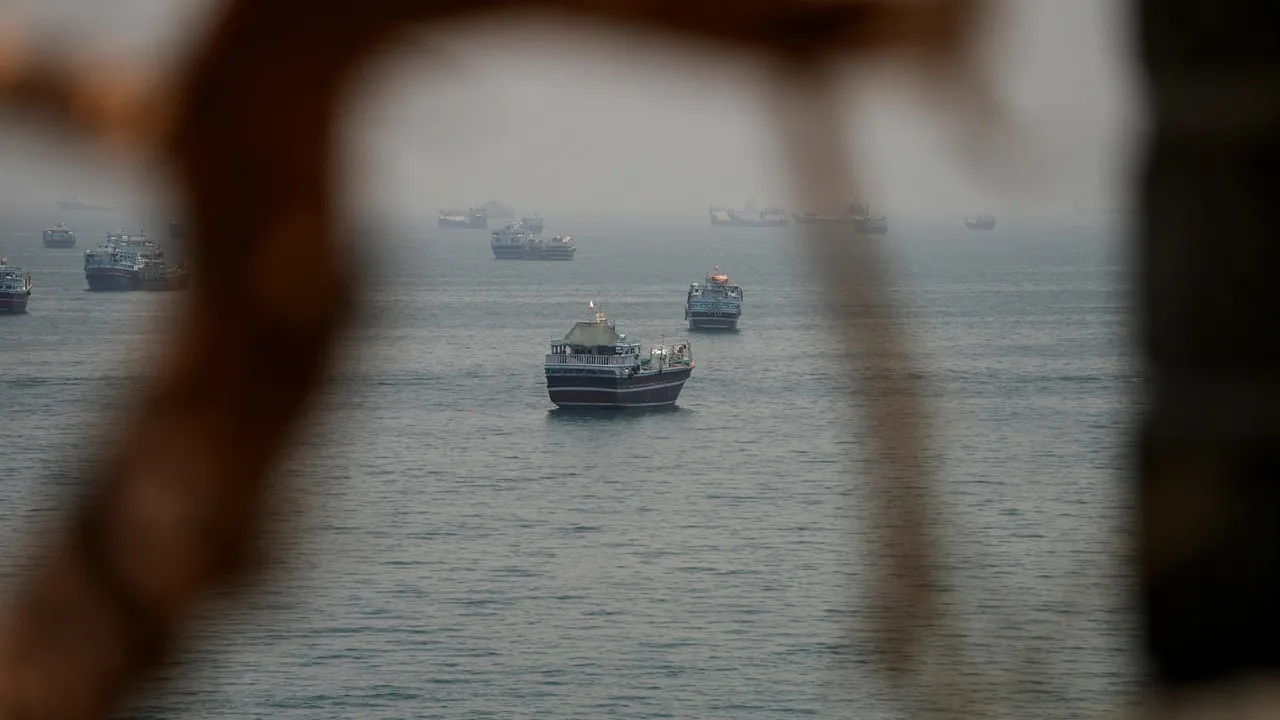
Three Indian seafarers have been killed after US Navy strikes on three commercial tankers in the Gulf of Oman, near the Strait of Hormuz, sending diplomatic tensions rising.
In just three days over the past week, at least three vessels carrying predominantly Indian crews came under US military attack as Washington enforces a naval campaign against Iran-linked shipping.
Ships being targeted include Iranian vessels as well as so-called shadow fleet tankers, which are typically older vessels without Western insurance used to transport sanctioned oil, and sailing under the flags of various nations to obscure their true ownership, cargo and movements.
The first incident took place on June 8, when the Palau-flagged MT Marivex, carrying 24 Indian crew members, was attacked by the US Navy.
All were rescued safely by Omani authorities following distress calls.
On Tuesday, a US strike killed three Indian sailors, who had earlier been reported missing after which India had summoned the US charge d’affaires in protest.
A third incident involving a tanker catching fire was reported on Thursday, further heightening concerns for the thousands of Indian mariners operating in these volatile waters.
The incidents have raised urgent questions in New Delhi about the safety of Indian seafarers and the rules of engagement being applied by US forces in one of the world’s most critical maritime chokepoints.
What exactly happened in the three attacks?
The US confirmed attacking the Palau-flagged MT Marivex on June 8 and claimed it disabled the tanker after it allegedly failed to comply with instructions from US forces and continued towards an Iranian port despite the blockade.
"An F/A-18 Super Hornet from USS Abraham Lincoln (CVN 72) fired a precision munition into the ship's engineering and steering spaces after the crew failed to comply with directions from US forces. Marivex is no longer sailing to Iran," US CENTCOM said in a statement.
The US military added that since launching the blockade on April 13, it has disabled seven non-compliant vessels, redirected 134 ships, and allowed 42 vessels carrying humanitarian aid to pass.
The Forward Seamen's Union of India (FSUI), one of India's oldest organisations representing maritime workers, described the attack on a vessel carrying 24 Indian seafarers as a "matter of serious concern” in a social media statement, quoted by the Hindustan Times.
The union further stated, “FSUI urges swift and coordinated action to ensure the safety of the crew, provide support to their families, and uphold the security of seafarers at sea.”
India had thanked Oman for rescuing the crew members following distress calls reporting fire and flooding.
Then came another US strike targeting a tanker, MT Settebello, accused of violating the blockade and transporting Iranian oil.
India condemned the attack on the commercial vessel Settebello off the coast of Oman. At least 21 personnel were rescued, while three were missing and confirmed dead on Thursday.


Sarbananda Sonowal, India’s shipping minister, said: "It is deeply unfortunate to learn of the tragic incident aboard the Palau-flagged MT Settebello. Sadly, three Indian seafarers initially reported missing are now confirmed dead after bodies have been located and identified."
The US CENTCOM said it disabled the Palau-flagged oil products tanker Settebello as it transited the Gulf of Oman, adding that it had "violated the ongoing blockade by attempting to transport oil from Iran".
The ship was a tanker carrying chemical and oil products which reported an engine room fire 20 nautical miles northeast of Oman's port of Sohar, the United Kingdom Maritime Trade Operations agency said.
The three Indian seafarers confirmed dead were identified as deck cadet Aditya Sharma, engine fitter Shivanand Chaurasiya, and chief engineer Patnala Suresh.
Sharma’s family has called for a full investigation into his death and asked the goverment to ensure that whoever is responsible is held accountable.
"I strongly condemn any act from any party that endangers the lives of seafarers and the safety of international shipping. This is simply unacceptable," Arsenio Dominguez, secretary-general of the UN's shipping agency the International Maritime Organization, said on Wednesday after the second incident.
On June 11, a third vessel was attacked off Oman. The incident involved a tanker catching fire, with Indian crew on board, Indian authorities said.
What are India and the US saying?
India has strongly protested the loss of life and risks to its seafarers. The Ministry of External Affairs (MEA) has lodged formal protests, including summoning US diplomats.
On Thursday, India said it expects the US to take "due note" of its formal protest against attacks on commercial vessels carrying Indian seafarers.
The MEA emphasised that the safety of civilian mariners and commercial shipping must be protected amid the escalating conflict in West Asia.
India's shipping ministry said 13 Indian-flagged vessels are currently stranded in the Strait of Hormuz.
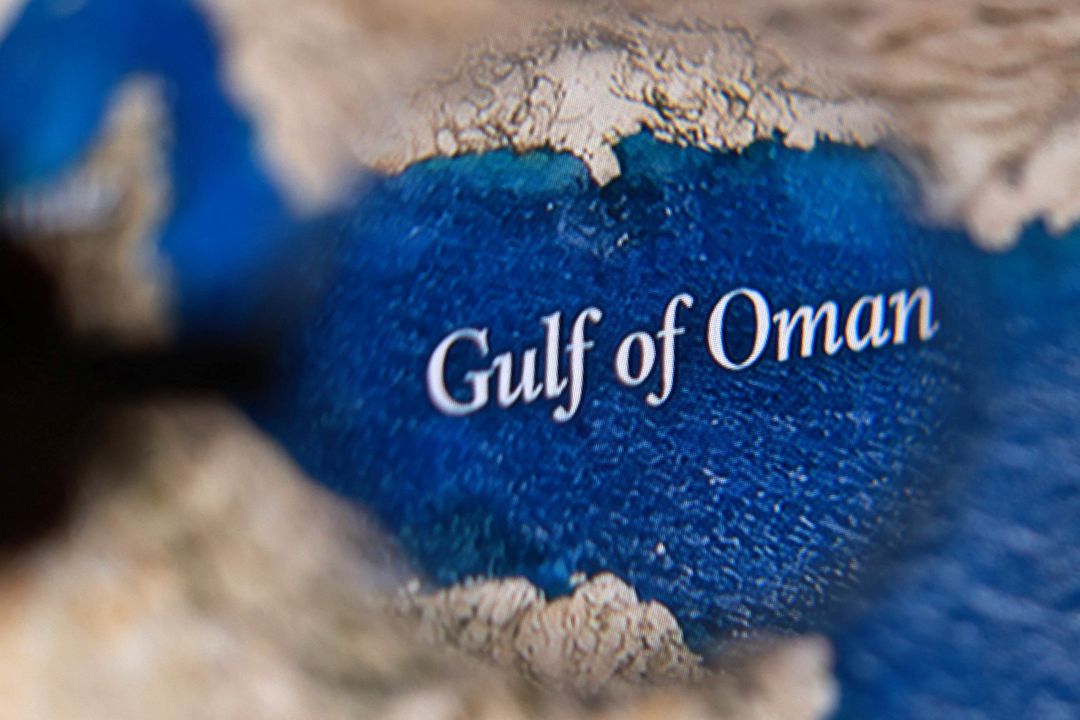
The ministry also said that more than 18,000 Indian seafarers are currently deployed across the Gulf region, while 562 Indian seafarers are serving aboard Indian-flagged vessels operating in the affected waters.
Unions like the FSUI, via General Secretary Manoj Yadav, have highlighted distress calls.
“I absolutely refuse to believe that the US lacked information regarding the nationalities of the people on board those ships. That is simply not possible… I am 101% certain that US naval forces knew exactly how many Indians and foreign nationals were on those vessels… If the ships failed to heed their instructions, detaining them was a viable alternative…,” Yadav said, as per a report by The Wire.
Meanwhile, the US views the operations as necessary to counter Iranian efforts to control shipping through the Strait of Hormuz amid broader regional conflict.
The US CENTCOM has said that warnings were issued to the ships and the strikes were precision strikes aimed at disabling vessels that failed to follow instructions or warnings.