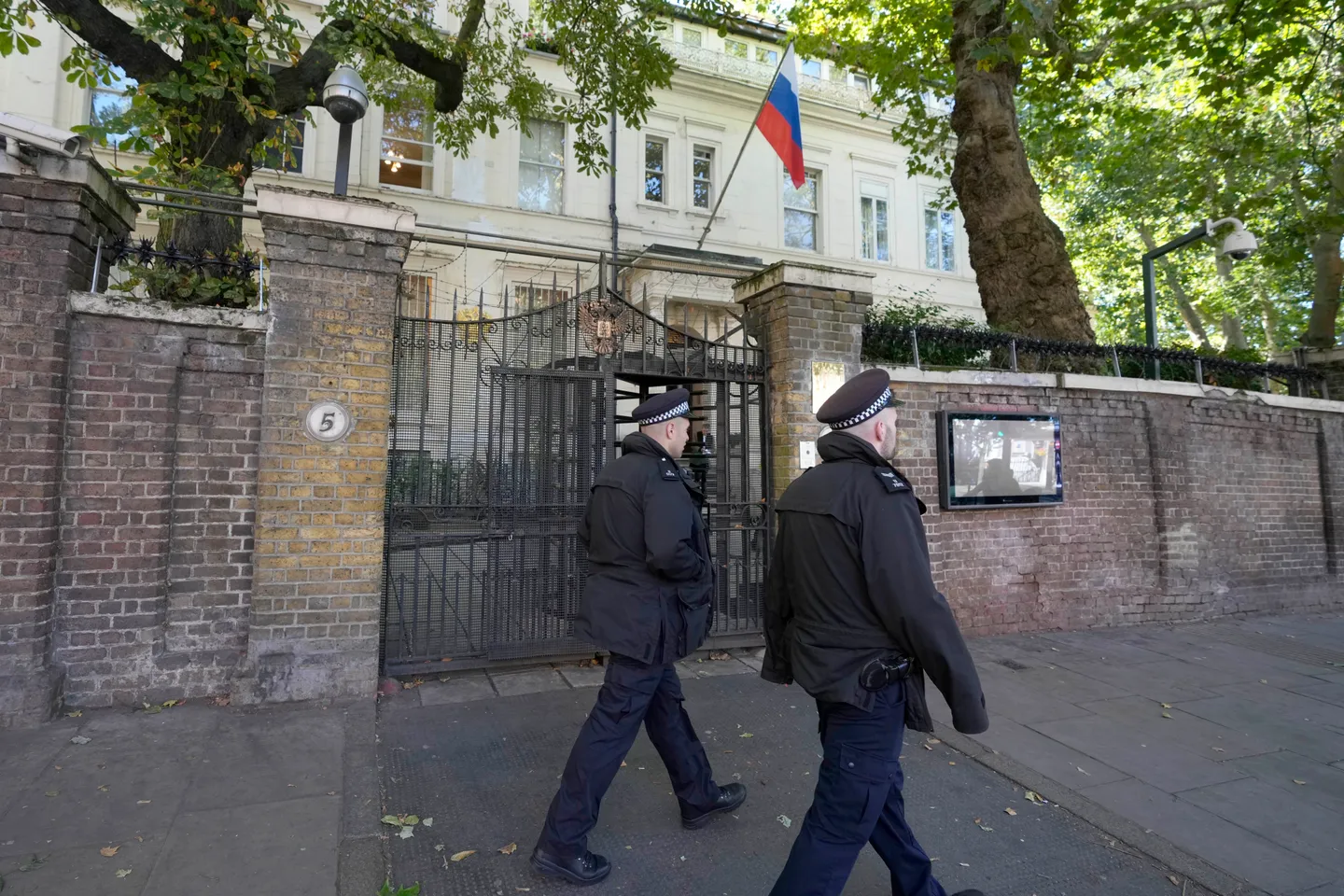
The UK has summoned Russia's charge d'affaires to condemn what it described as a "reckless" drone attack on Germany's Leipzig Airport on August 4.
The UK Foreign, Commonwealth and Development Office (FCDO) said in a statement on Thursday that it summoned the Russian diplomat after the attack, which London condemned "in the strongest terms".
"The UK stands in full solidarity with Germany following Russia's egregious and reckless attack on Leipzig airport," an FCDO spokesperson said.
The spokesperson stressed Britain's commitment to NATO allies and continued support for Ukraine, saying both remained "ironclad".
"Any attempt by Russia to undermine our united resolve is futile," the spokesperson said, describing the incident as the latest in what London viewed as "a clear pattern of attempts by the Russian State to undermine our collective security."
The FCDO said the Russian charge d'affaires was summoned to underline that Britain, together with its European and NATO partners, would continue to respond to such actions.
The spokesperson said the UK would "continue to expose Russian hostile activity at every level."
The statement came after Germany blamed Russia for an attempted drone attack at Leipzig Airport and unveiled extensive measures and sanctions against Moscow.
France has also supported German proposals for sanctions over what it described as hybrid attacks in Leipzig and sought additional measures against vessels belonging to Russia’s “shadow fleet”.
Leipzig Airport is a major freight hub and a key logistics node for military cargo, including Ukrainian Antonov flights. Officials have described the foiled drone strike as an attempt to disrupt that support chain without launching a conventional military attack.
German authorities told media that the August 4 attempt on a Ukrainian Antonov cargo plane was more serious than first reported. The drone had been rigged with explosives, and investigators later concluded that several drones were involved, not one.
Russia has rejected claims of assassinations, sabotage, drone incursions, and spying in countries allied with Ukraine, accusing Western governments of stoking “anti-Russian paranoia".