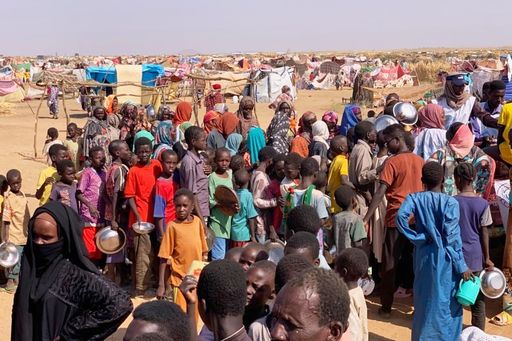
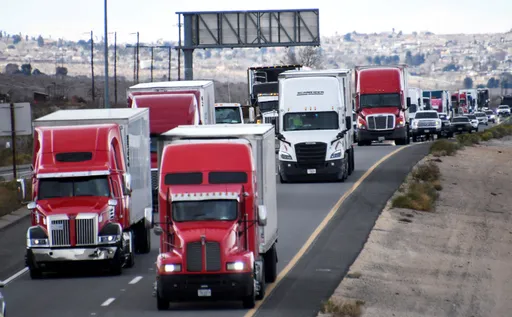
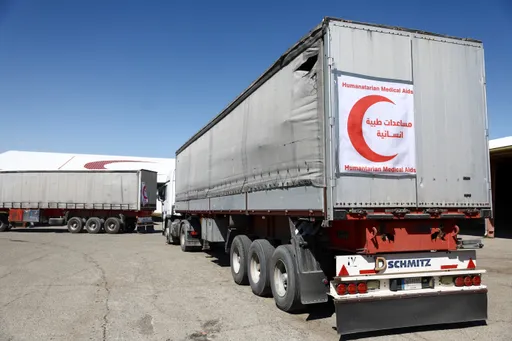
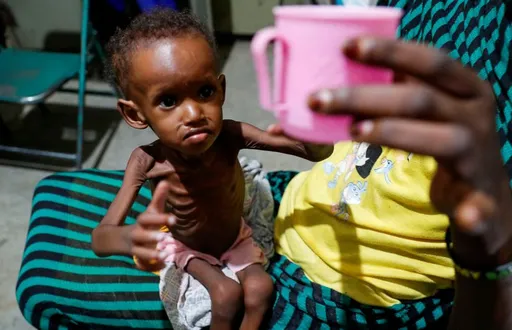
Famine. Massacres. And now badly needed food and medical supplies are under strain.
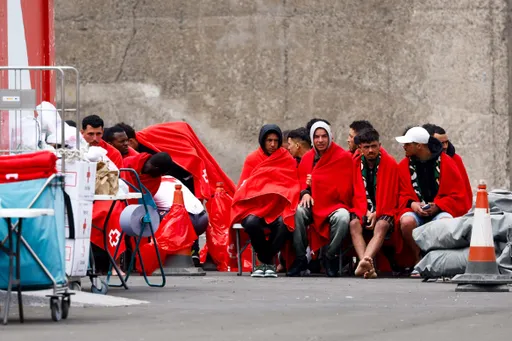
Sudan on Wednesday entered its fourth year of war, which is being called an “abandoned crisis” as the fighting has forced 13 million people to flee their homes with little global effort to end the conflict.
“A plea from me: Please don’t call this the forgotten crisis. I’m referring to this as an abandoned crisis,” the top UN official in Sudan, Denise Brown, said Monday, criticising the international community for failing to focus on ending the fighting.
Sudan has been described as the world's largest humanitarian challenge, notably in terms of displacement and hunger.
There is no end in sight to the attack by the paramilitary Rapid Support Forces (RSF), which witnesses and aid groups say has laid waste to parts of the vast Darfur region.
“This grim and chastening anniversary marks another year when the world has failed to meet the test of Sudan,” United Nations humanitarian chief Tom Fletcher said.
Numbers tell a tale of pain
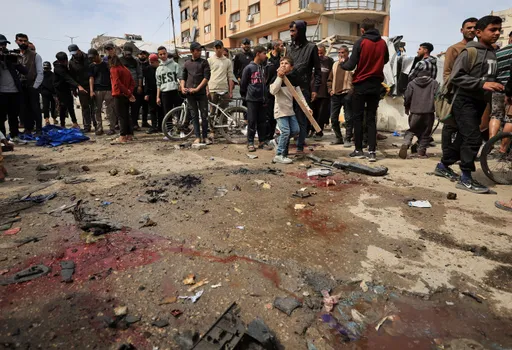
At least 59,000 people have been killed. At least 6,000 died over three days as the RSF rampaged through Darfur’s Al Fasher in October, according to the UN, with UN-backed experts concluding the offensive bore “the defining characteristics of genocide".
The war has pushed parts of Sudan into famine. The number of people with severe acute malnutrition, the most dangerous and deadly kind, is expected to increase to 800,000, the world's foremost experts on food security, the Integrated Food Security Phase Classification, said in February.
About 34 million people, or almost two of every three Sudanese, need assistance, the UN says.
Only 63 percent of health facilities remain fully or partially functional amid disease outbreaks, including cholera, according to the World Health Organization.
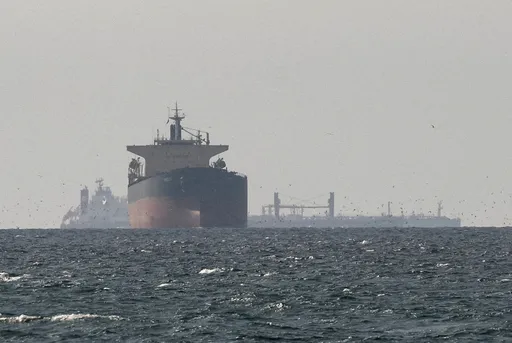
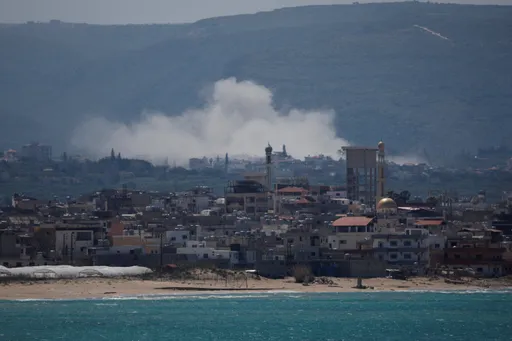
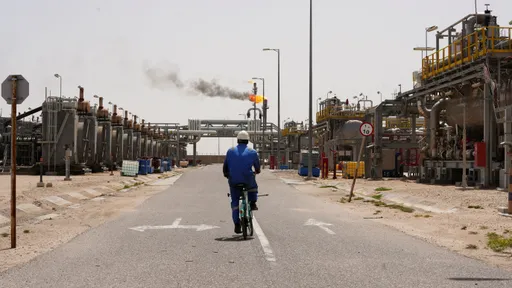
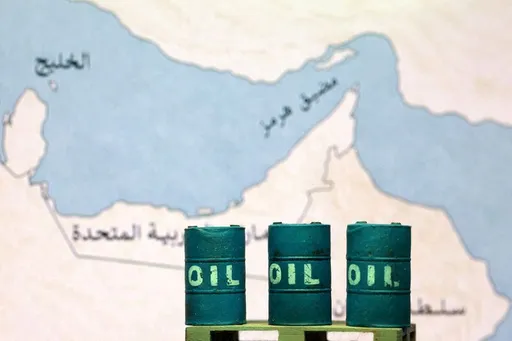
And now fuel prices in Sudan have increased by over 24 percent because of the Iran war and its effects on shipping, driving up food prices.
How did it get this bad?
The war pits the Sudanese Armed Forces (SAF), led by General Abdel Fattah al-Burhan, against the Rapid Support Forces (RSF), commanded by Mohamed Hamdan Daglo, known as Hemedti.


The SAF is the country’s regular military and has long been the dominant arm of the state.
The RSF, by contrast, grew out of militant groups known as the Janjaweed, infamous for their role in atrocities during the Darfur war of the 2000s.
Over time, the RSF evolved into a formal paramilitary force with its own command, funding networks, notably gold mining, and foreign ties.
The situation revolved further in 2019 when long-time leader Bashir was ousted following massive popular protests, and a fragile civilian-military transitional government was formed.
The RSF helped remove Bashir from power in April 2019, and Hemedti was appointed deputy chair of the transitional Sovereign Council, led by Abdel Fattah al-Burhan.
Burhan and Hemedti, then uneasy allies, joined a transitional council that promised civilian rule. But tensions simmered between the army and the RSF, which retained control over much of Darfur and the capital.
The fragile transition collapsed when Burhan and Hemedti staged a coup, sidelining civilians.
Their partnership soon broke down over how, and whether, to merge the RSF into the army.
General Burhan pushed for rapid integration under army command, while Hemedti resisted, fearing a loss of autonomy and control over his vast military and financial networks.
In April 2023, fighting exploded between the two forces in Khartoum and across the country.
The RSF used urban warfare tactics to seize large parts of the capital and much of Darfur, while the army relied on air strikes and artillery.
After 18 months of siege, the RSF captured Al Fasher, the army’s stronghold in Darfur.
Witnesses and aid groups reported mass killings, starvation, and systematic attacks on civilians by RSF.