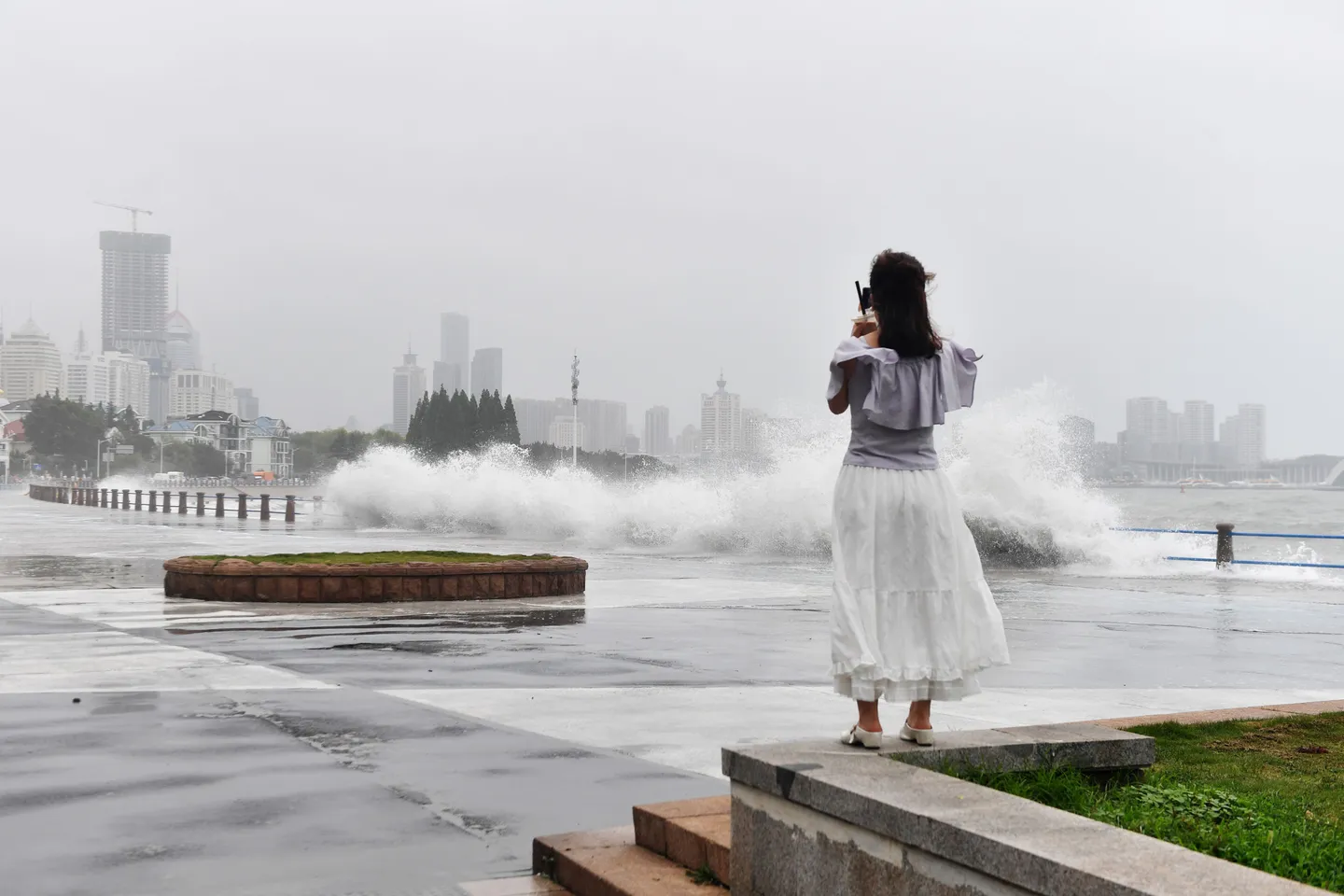
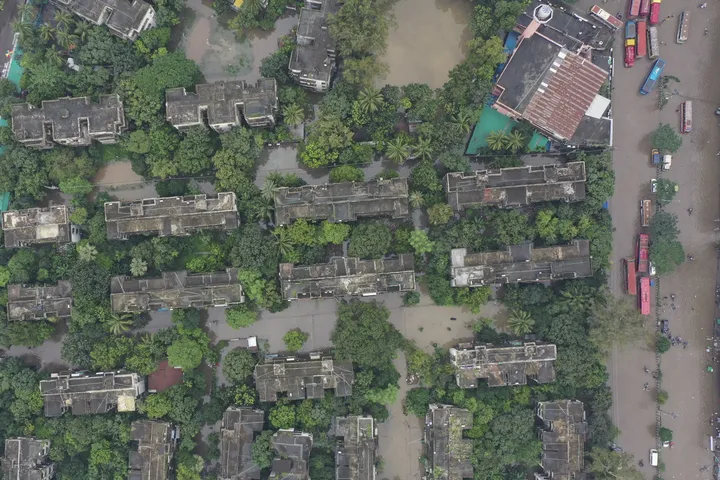
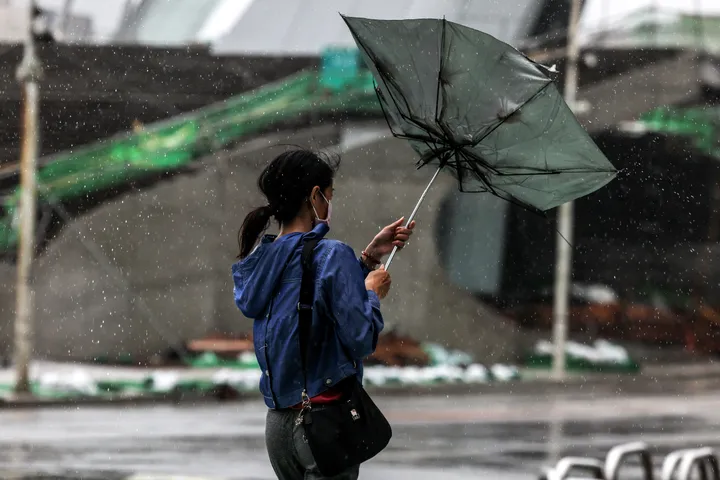
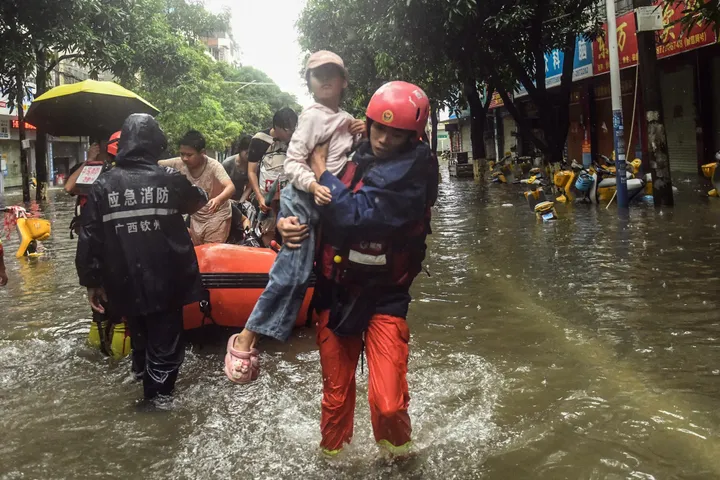
The most powerful storm to strike mainland China this year forced more than 260,000 people to evacuate their homes in northeastern Liaoning province as Typhoon Bavi unleashed torrential rain and widespread flooding.
Heavy rain is expected to persist through Tuesday, with extreme downpours forecast in some areas. Authorities said Bavi is drawing vast amounts of tropical moisture northward, creating a sustained flow of humid air into northern China.
In Shenyang, Liaoning's provincial capital, a lighthouse snapped its high-voltage power line and drifted through floodwaters along major roads before passing beneath a bridge, according to videos shared on Chinese social media.
Over the past two weeks, Typhoon Bavi has affected wide areas of China, bringing torrential rain, widespread flooding and infrastructure damage, including a dam breach.
More than 900,000 people have been evacuated nationwide, with Liaoning among the worst-hit provinces, as authorities carried out mass evacuations and emergency response operations while the storm moved north.
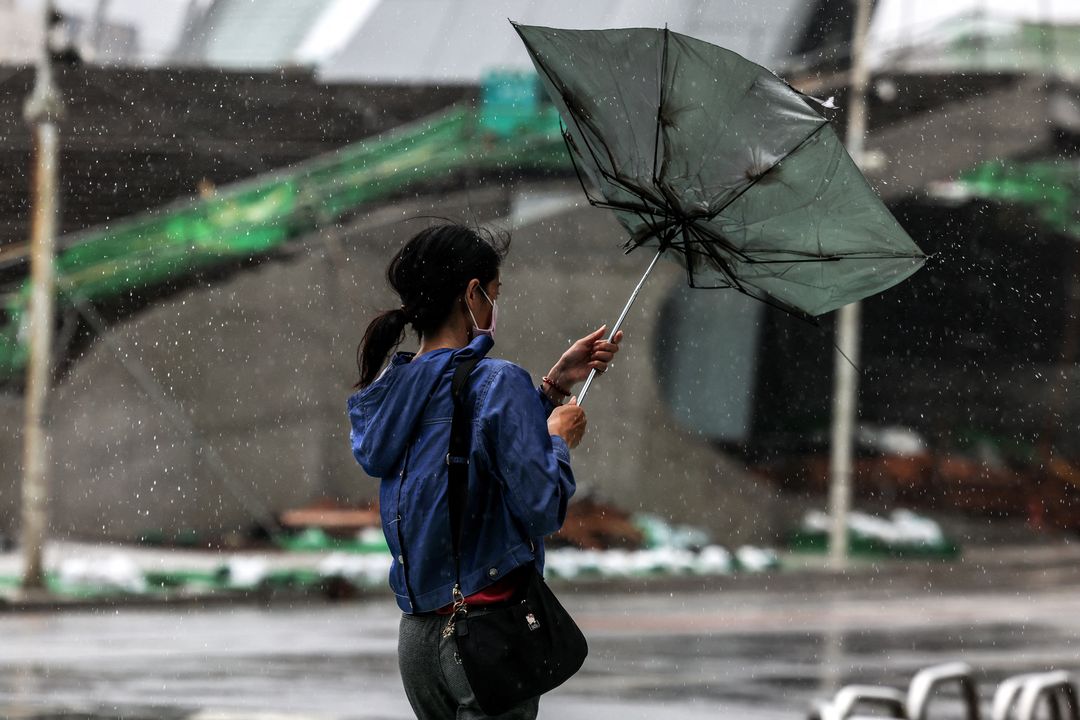





The storm is about the size of France
Authorities ordered all schools and training institutions to suspend classes, while transport services were largely disrupted across northeastern cities, including Shenyang and Jilin.
Bavi, covering an area roughly the size of France, formed over the Pacific Ocean 13 days ago. Its structure remained largely intact on Monday despite making landfall in eastern China on Saturday night, making it the longest-lasting tropical cyclone in the Asia-Pacific region this year.
The storm also affected neighbouring countries and territories, with South Korea, Japan, Taiwan and the Philippines monitoring its impact.
Chinese meteorologists attributed its longevity to an unusually well-preserved warm core, which has allowed Bavi to retain much of its moisture as it moves north towards the Korean Peninsula.
The storm, now classified as a tropical storm, is expected to produce intense rainfall as it slows further and releases the vast amount of moisture it has carried inland.