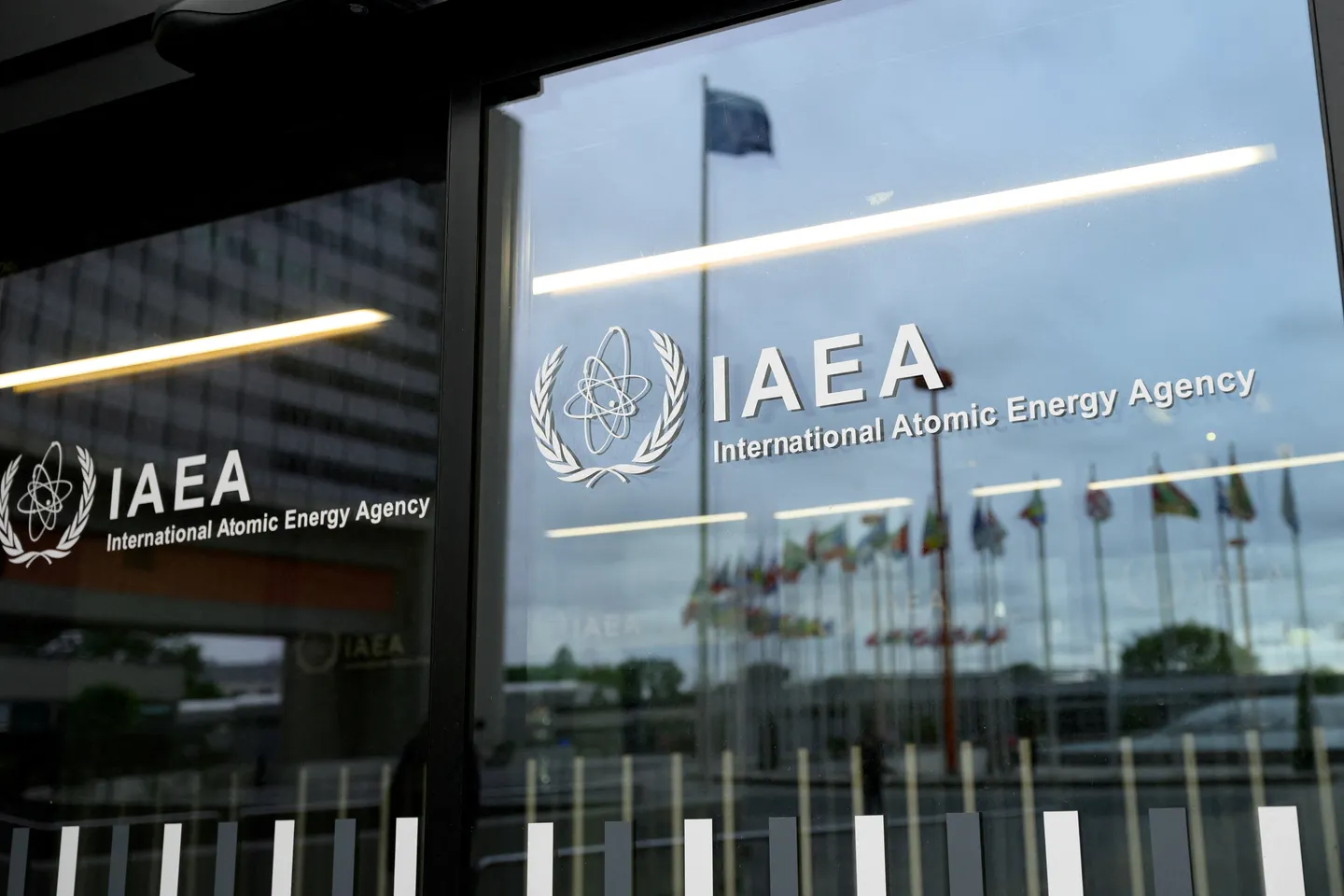
The UN nuclear agency has said in a confidential report that the lack of access to key nuclear sites in Iran "needs to be addressed with the utmost urgency".
"The agency's lack of information about this nuclear material and access to facilities to verify it is a matter of proliferation concern," the International Atomic Energy Agency (IAEA) said in the report, according to AFP on Tuesday.
The IAEA has not had access to some key nuclear facilities in Iran since Israel, joined by the United States, launched a 12-day conflict in June 2025 that included strikes on nuclear sites.
Nuclear facilities have also been hit in the latest war, which erupted on February 28. The IAEA has repeatedly urged access.
IAEA head Rafael Grossi "again expresses his conviction that the long-standing problems and recurrent crises surrounding these issues must be resolved through a long-lasting, verifiable diplomatic agreement", the report said.

‘Widespread impression’
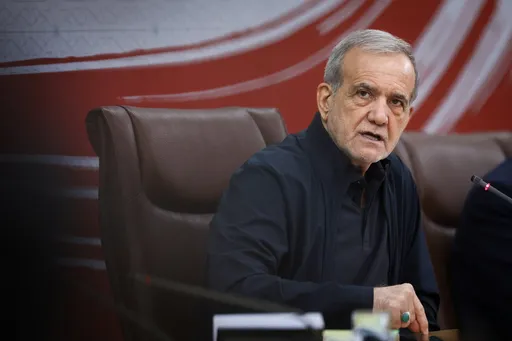
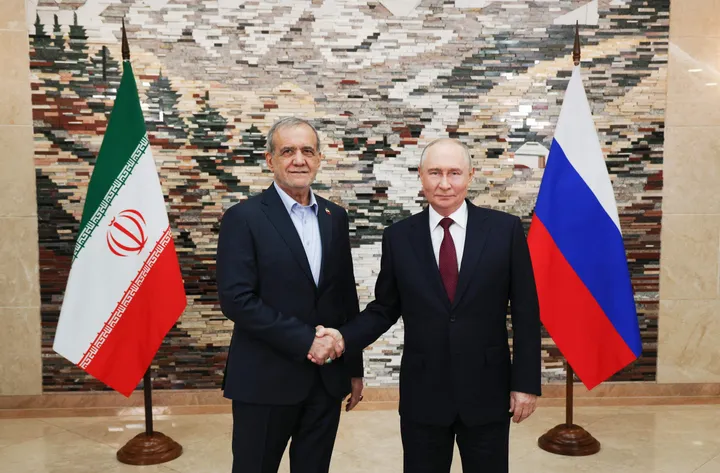
Iran's President Masoud Pezeshkian on Tuesday vowed to match any US move to return to a June deal aimed at ending their war.

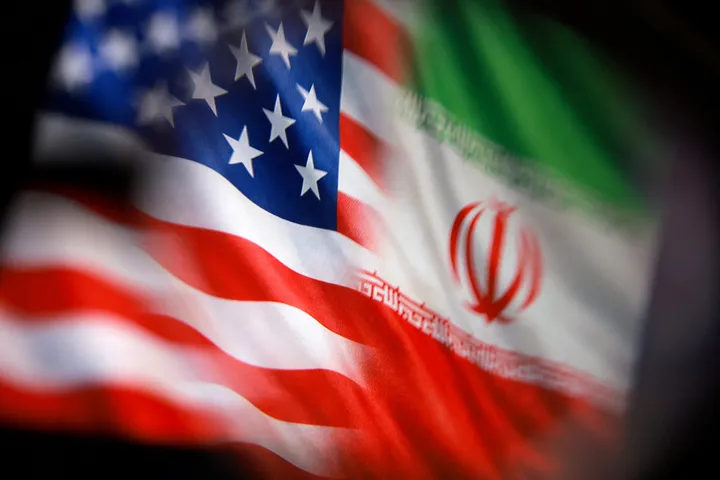



The deal, meant to set the stage for final peace talks, has collapsed as both sides accused each other of violating its terms.
Prior to US strikes in June 2025, the IAEA calculated that Iran possessed approximately 440 kilogrammes of uranium enriched to 60 percent, which is close to the 90 percent needed to make a bomb and well above the 3.67-percent limit set by a 2015 now-defunct agreement with Iran.
Since June 2025, the fate of this stockpile has remained uncertain.
Grossi said in June that the "widespread impression" was that the stockpile remains where it was before June 2025, near to the Isfahan Fuel Enrichment Plant.
In the report, to be discussed at an IAEA board of governors meeting next week, the IAEA said it was "concerned" about the lack of access to the Isfahan plant.
Israel and the United States have long accused Iran of wanting to build a nuclear weapon.
Tehran has repeatedly denied having any military nuclear ambitions, insisting on its right to the technology for civilian purposes.