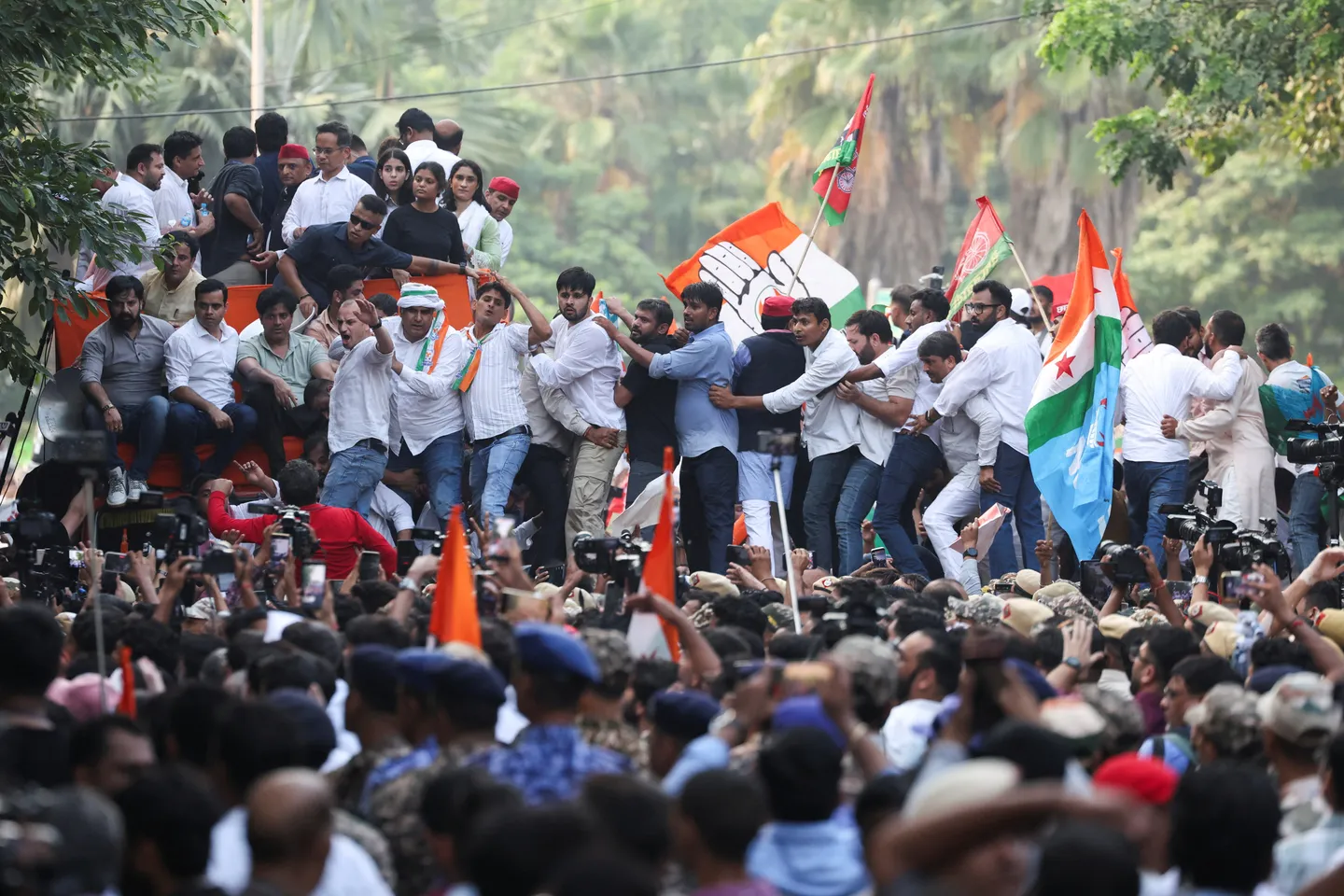
Tens of thousands of protesters have taken to the streets of New Delhi to demand the resignation of India’s chief election commissioner over a controversial revision of voter lists.
The demonstrations have drawn opposition parties, student groups and youth activists into a confrontation with authorities.
The protests centre on allegations that the Election Commission’s revision of electoral rolls has unfairly removed voters, potentially benefiting Prime Minister Narendra Modi’s Hindu nationalist Bharatiya Janata Party (BJP) in some of the recent state elections and raising concerns that it could do so in future polls.
The commission denies wrongdoing, saying the exercise aims to remove duplicate, deceased and fraudulent entries.
More than 130 million names have been removed from voter lists since the revision began last year, according to media reports. Critics say the deletions disproportionately affect women, Muslims and other minorities, while election authorities maintain that people whose names were wrongly removed can re-enrol.
Why are protesters demanding the election chief’s resignation?
Demonstrators want Chief Election Commissioner Gyanesh Kumar to step down, arguing that the scale of the deletions threatens voters’ access to the ballot and could influence future elections.
The controversy intensified after The Indian Express reported last month that Kumar’s two deputies had raised concerns internally about voter list revisions, registration procedures and digital systems.
Opposition leader Rahul Gandhi of the Congress party led a protest march on Monday and later challenged the revision exercise in a petition filed with the Supreme Court. The BJP has accused the opposition of undermining legitimate electoral processes by questioning the work of constitutional institutions.
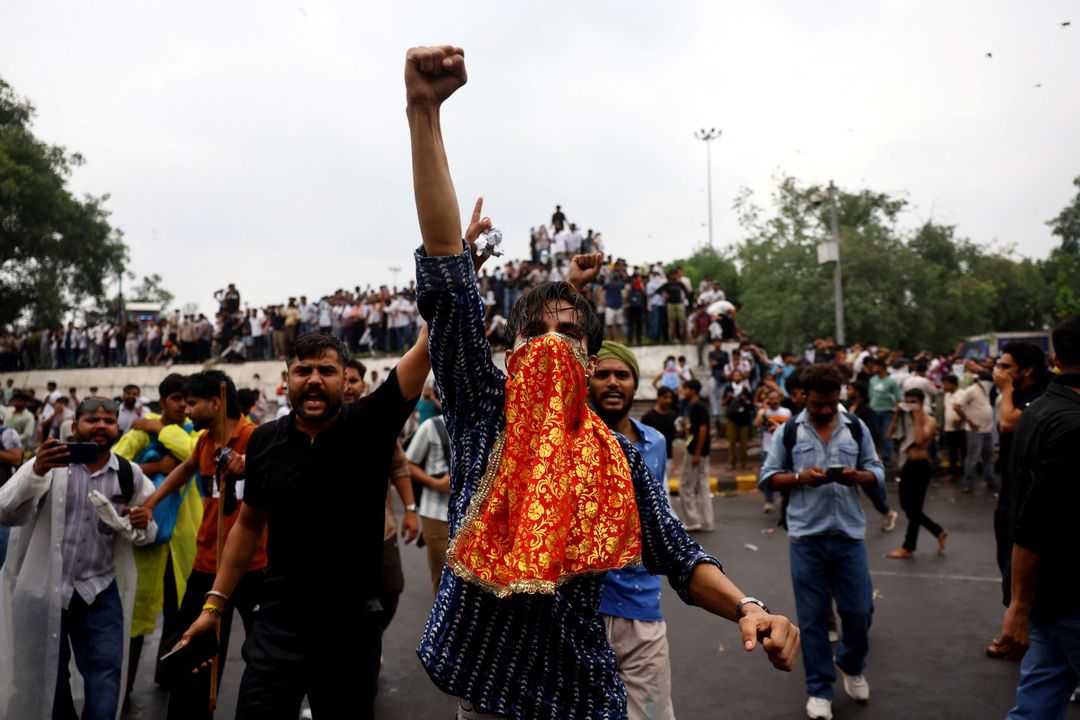
The protests have been driven in part by the youth-led Cockroach Janta Party (CJP), which has mobilised supporters through social media. The movement has pledged to continue demonstrations until Kumar resigns.
Intense police crackdown deepened the rift
Authorities have deployed thousands of security personnel across central Delhi, erected metal barricades and closed major metro stations.
Police also removed Jantar Mantar, a long-established protest site, from the list of designated demonstration venues, announcing three alternatives.
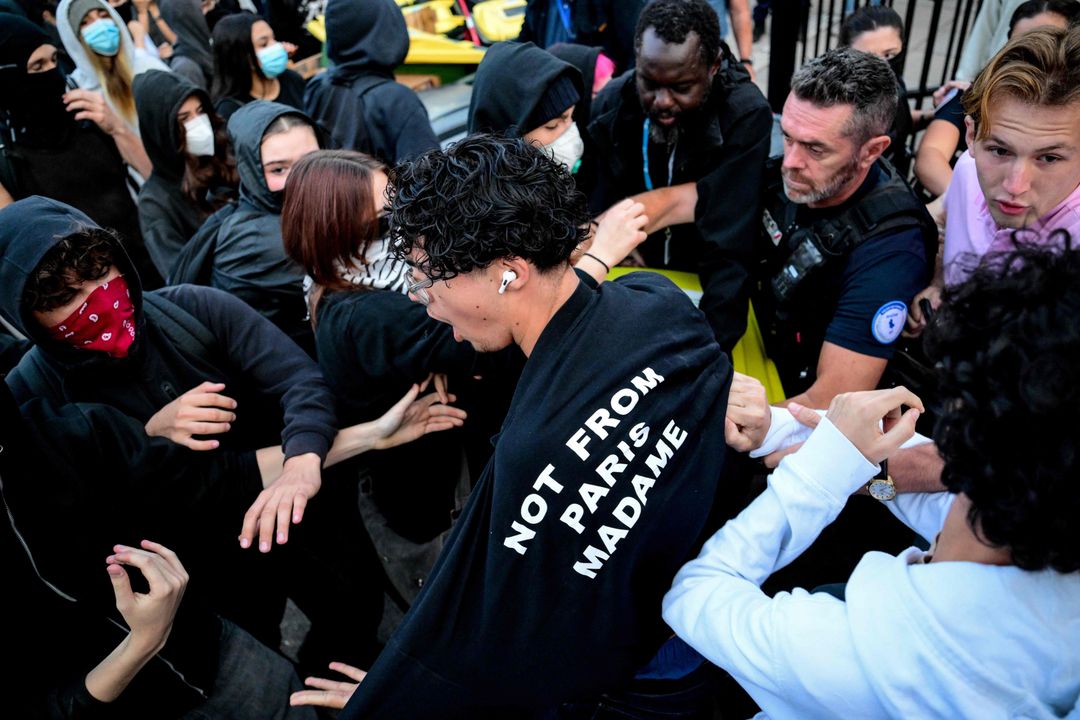
On Tuesday, CJP said several of its leaders, including Ashutosh Ranka, Saurav Das and Ajinkya Shinde, were detained after activists climbed barricades to enter the site and demanded the right to protest there.
The latest confrontation follows a weekend crackdown in which thousands of protesters were detained, according to local media reports. Most were subsequently released, including several CJP leaders.




The movement has previously organised demonstrations over issues including government school infrastructure, jobs and examination paper leaks. A weeks-long sit-in earlier this year contributed to the resignation of Education Minister Dharmendra Pradhan over an examination scandal.
Journalists report rough treatment and detentions
The police response has also drawn criticism from journalists and press freedom organisations, who say officers detained reporters covering the demonstrations, seized their phones and used excessive force.
Nearly three dozen journalists from outlets including The Indian Express, Scroll and Newslaundry were detained for hours during the weekend protests, according to Reuters interviews with journalists.
Some said they were detained despite being clearly identifiable as members of the press.
Newslaundry reporter Anmol Pritam told Reuters that an officer grabbed his microphone, dragged him, seized his phone and detained him alongside his producer while they were interviewing people held on a bus. He said he was detained for nearly three hours on October 10.
Delhi Police did not immediately respond to requests for comment on the reported treatment of journalists. Police have previously said some protesters posed as journalists and interfered with officers’ work.
The detentions continued despite India’s Supreme Court ruling in favour of a request seeking to ensure journalists and lawyers could perform their duties during the protests, according to journalists who said some arrests took place after the order.
The Press Club of India called the police action an attack on press freedom, while Reporters Without Borders said detentions, surveillance and restrictions on reporting risked suppressing coverage of the demonstrations.
A wider test of public dissent
Modi described India as the “mother of democracy” at a business conference on Tuesday, saying people in the country openly debate a wide range of issues. He did not directly address the demonstrations.
The government has rejected broader allegations that it is restricting democratic freedoms, while critics point to pressure on journalists, civil society groups and political opponents.
For protesters, the immediate demands remain the resignation of the election chief and a halt to the disputed revision.
The dispute also widens into a confrontation over the right to demonstrate, the treatment of journalists and public confidence in India’s electoral process.