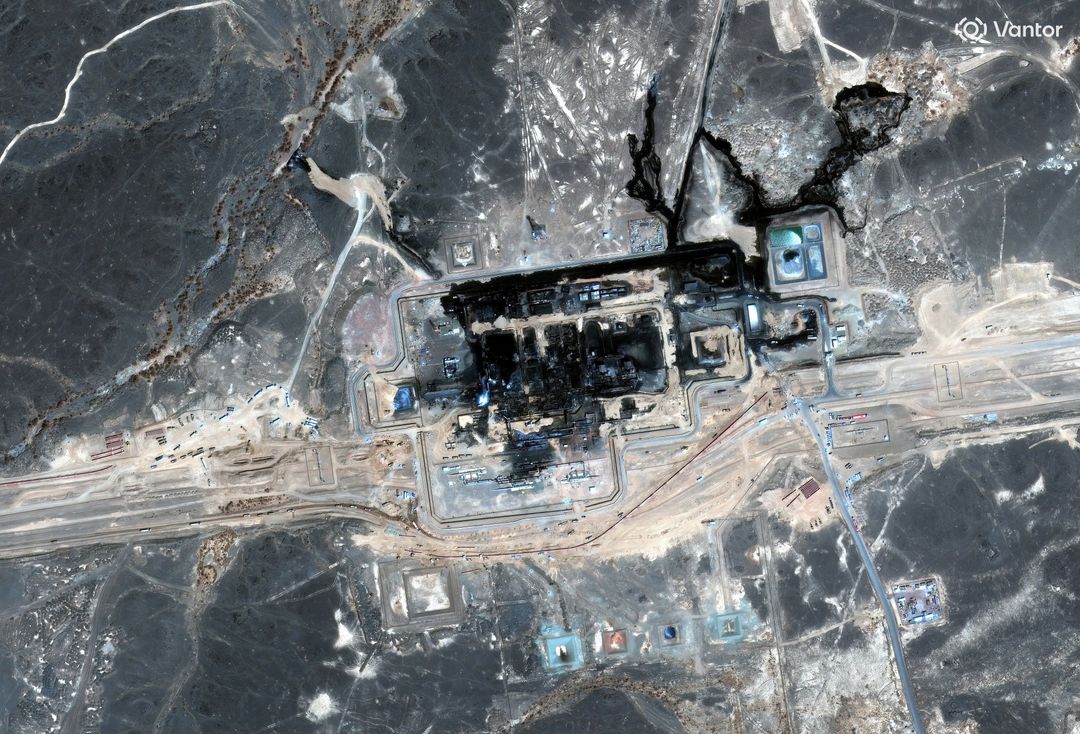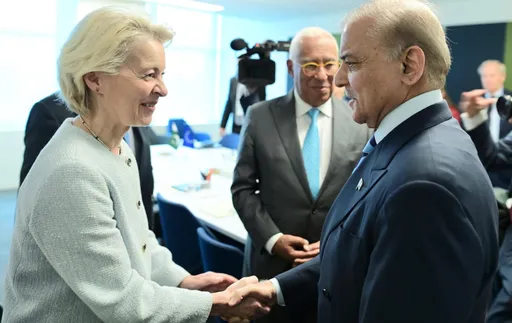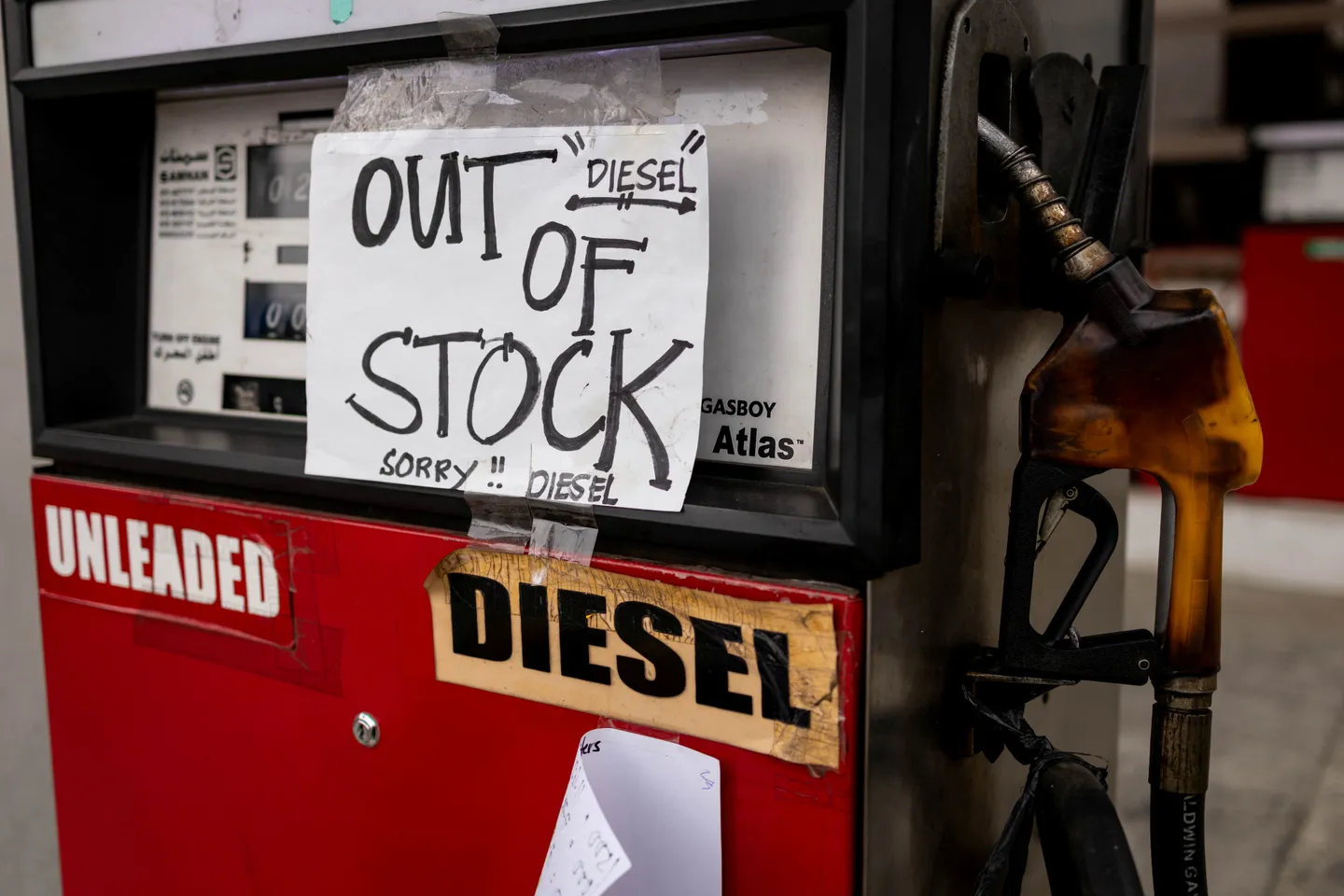
The US is reportedly preparing to impose a 90-day ban on diesel exports to bring down soaring energy prices, and several countries are gearing up for the domino fallout.
Politico reported on Thursday that the White House is trying to reduce high fuel prices that are weighing on Republicans ahead of the November 3 midterm elections.
US fuel producers are opposed to the ban and have warned federal officials that "any short-term benefit would be outweighed by higher fuel prices in the future."
If the ban is enacted, it would be the first restriction on US energy exports since the Obama administration lifted a decades-old ban on oil exports in 2015, according to the report.
Diesel prices are currently at record highs around $6.52 per gallon compared with $2.83 per gallon last year, according to the American Automobile Association (AAA).
Domino effect
The report said the steep increase is due to the US war against Iran in addition to Ukraine's attacks against Russian refineries.
But heading into the midterms, in which Republicans are trying to maintain majority control in both the US House and Senate, high energy prices are hampering Republican candidates trying to seek reelection, which is why sources told Politico that President Donald Trump is trying to implement the ban.
An industry executive told Politico that Trump is inclined to announce a ban by the end of the week and said the president considers any blowback "a December problem".
Industry experts said a diesel ban would have a domino effect on the rest of the world, noting that "countries around the world have grown more dependent on US diesel."
China








China's gasoline and diesel inventories have fallen to their lowest levels in more than a decade as exports surge and domestic demand recovers seasonally, according to GL Consulting.
Low stock levels appear to have raised Beijing's concerns, increasing the prospect of tighter export controls in October, according to Rystad Energy.
GL Consulting said it expects exports to fall in October as state refiners prioritise domestic energy security.
Commercial gasoline inventories have hit their lowest level since 2011, while diesel inventories have fallen to their lowest since 2015, according to data provided by GL Consulting, a consultancy owned by Mysteel, a leading commodity information provider.
EU
The European Commission also expressed concern over reported US plans.
“The European Union views with concern the reported US plans to ban diesel exports, including to the European Union,” commission spokesperson Olof Gill told reporters at a daily briefing.
“EU-US cooperation in the field of energy is strong, stable, and mutually beneficial. Any disruption would risk negatively impacting both sides,” Gill said, adding that high-level contacts with the US administration were ongoing.
“We expect close partners to consult each other before taking measures that affect shared markets,” he said.
Asked whether the proposal could affect broader EU-US energy arrangements, Gill stressed that the plans remained unconfirmed. “Nothing is decided yet,” he said, adding that the EU was telling US counterparts at the highest level that it considered a ban a bad idea.
The US accounted for around 50 percent of EU diesel imports in August.
The EU’s Oil Coordination Group is due to meet next Tuesday to review the situation across member states.
Serbia
Serbia will release around 5,000 tonnes of diesel from state reserves, the energy minister said, hoping to ease shortages.
The Balkan country's oil market is also under pressure from months of record-low Danube water levels, which have hit river imports, and the looming threat of sanctions returning on its sole refinery over majority Russian ownership.
"The state is taking the necessary measures to protect citizens so they do not feel the consequences," Energy Minister Dubravka Djedovic Handanovic said.