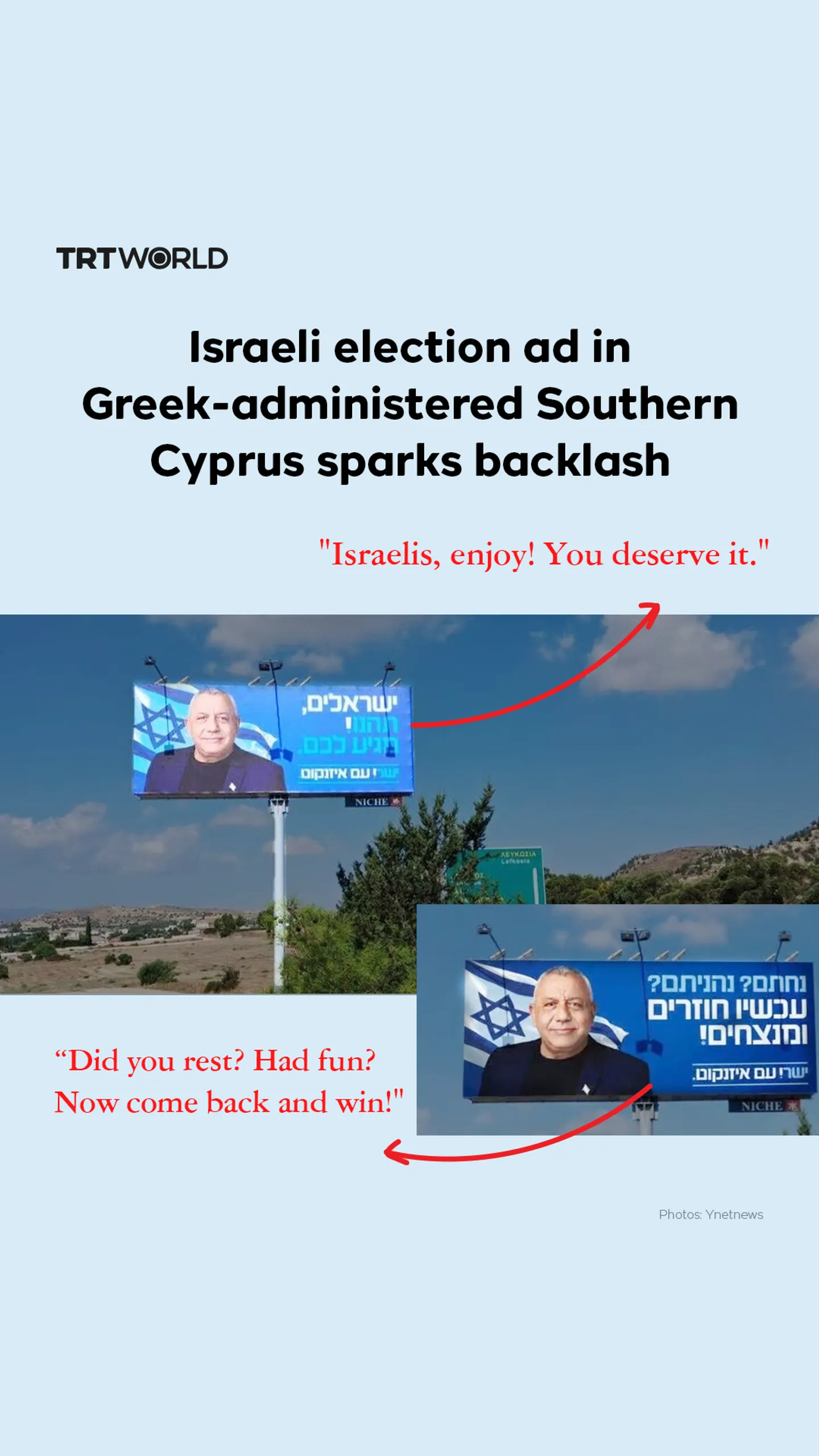
The installation of an Israeli election poster in Greek-administered Southern Cyprus has sparked backlash, raising questions about the legitimacy of foreign political campaigning on the southern part of the island.
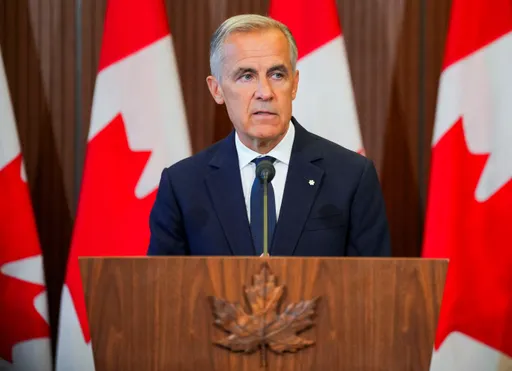
The billboard, which features Yashar! party chairman and former top Israeli military chief Gadi Eisenkot, was placed along the motorway towards Larnaca International Airport, a route that an estimated 75% of Israeli citizens visiting or living in the area use upon their arrival.
Amid widespread discussions online, Fidias Panayiotou, Member of the European Parliament for the Greek administration, criticised the billboard in a post on X, saying, “This is simply not right,” and calling for the country’s sovereignty to be defended.
However, the location of the billboard campaign is not random.
The southern administration holds significant geopolitical importance in the Eastern Mediterranean, a region where Israeli ambition has foamed up in recent years.
After Israel went to war, launching its genocidal onslaught on Palestine’s Gaza in October 2023, Greek-administered Southern Cyprus became a “safe haven” and “transit hub” for Israelis, with more than 16,000 arriving on the island in the nearly three years that followed.
Israel represents one of the largest inbound tourism markets for the island's south, with approximately 600,000 Israeli visitors arriving annually.
Israel has also deepened its influence on the Greek side through real estate acquisitions — dubbed a "silent occupation" or "land grab" by many Greek Cypriots — raising concerns over threats to local demographics, the republic’s sovereignty, and regional stability in the Eastern Mediterranean.
Between 2021 and early 2025, Israeli citizens purchased around 4,000 properties in Greek-administered part of the island, bringing the total number of Israeli-owned residents in the south to 15,000.
MIDDLE EAST
2 min read
Israeli election ad in Greek-administered Southern Cyprus sparks backlash
The billboard, which features Yashar! party chairman and former top Israeli military chief Gadi Eisenkot, was placed along the motorway towards Larnaca International Airport.


Explore