 Murat Sofuoglu
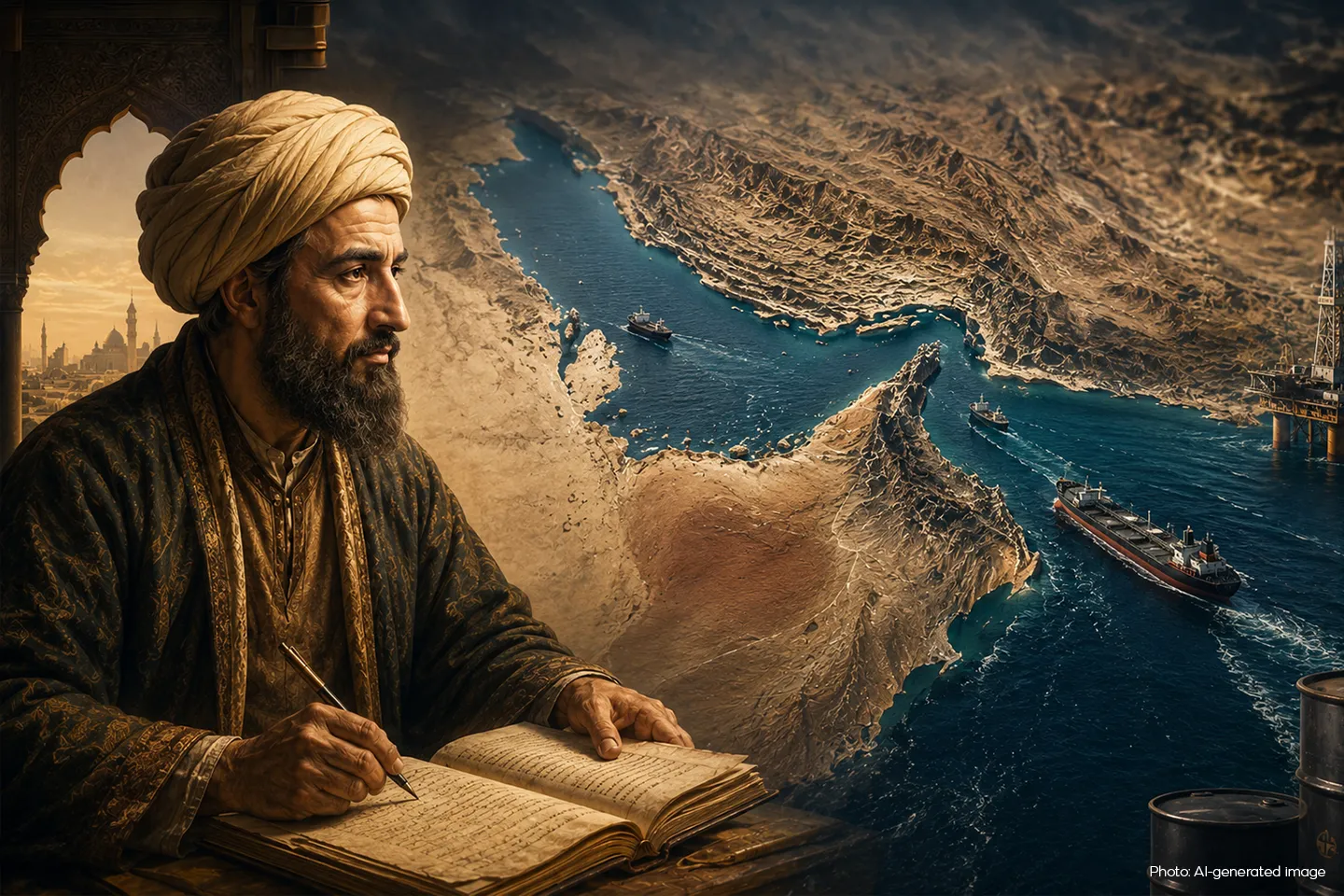
In his landmark work Al Muqaddimah (The Introduction), 14th-century Arab historian Ibn Khaldun introduced concepts that still influence political thought today, such as Asabiyyah, which refers to group solidarity rooted in collective identity.
Among them was his belief that geography and climate, alongside social cohesion, play a decisive role in shaping political developments and military conflict.
More than six centuries after his death, experts say Ibn Khaldun's ideas remain strikingly relevant to the current tensions in the Strait of Hormuz between the United States and Iran.
Despite the vast military imbalance between the two countries, Tehran has used its geographic position to challenge Washington in ways that echo the scholar's theories.
“Ultimately, the tension surrounding the Strait of Hormuz reaffirms a fundamental insight of Ibn Khaldun in the modern era: history is shaped not only by the intentions of leaders and the size of armies but also by the geographical terrain upon which societies operate,” Kadir Canatan, a sociologist at Duzce University and an expert on the work of Ibn Khaldun, tells TRT World.
Although the US remains the world's dominant military and economic power, the Trump administration has found itself constrained in the Gulf by a far weaker adversary.
Iran has used its strategic position along the Strait of Hormuz—one of the world's most important oil chokepoints—as an economic pressure point against Washington.
Stretching only a few kilometres at its narrowest point, the Strait of Hormuz carries roughly 20 to 25 percent of the world's seaborne oil trade as well as significant volumes of liquefied natural gas.
Any disruption there extends well beyond the US-Iran rivalry, with implications for Gulf politics, global energy markets and the wider economy.
“Were Ibn Khaldun alive today, he would likely regard Hormuz as one of the clearest contemporary examples of geography transforming into politics and economics,” Canatan says.
Geography can help offset disparities in military power, depending on where a conflict unfolds. Although the US possesses overwhelming military superiority, Iran's coastline along the strait, nearby islands, naval bases, and missile and drone capabilities give it a significant strategic advantage in the area.
“Iran does not need to defeat the US Navy in open warfare; merely jeopardising the passage of a few vessels, raising the prospect of mines, or altering the risk calculations of insurance companies is enough to slow global trade,” Canatan says.
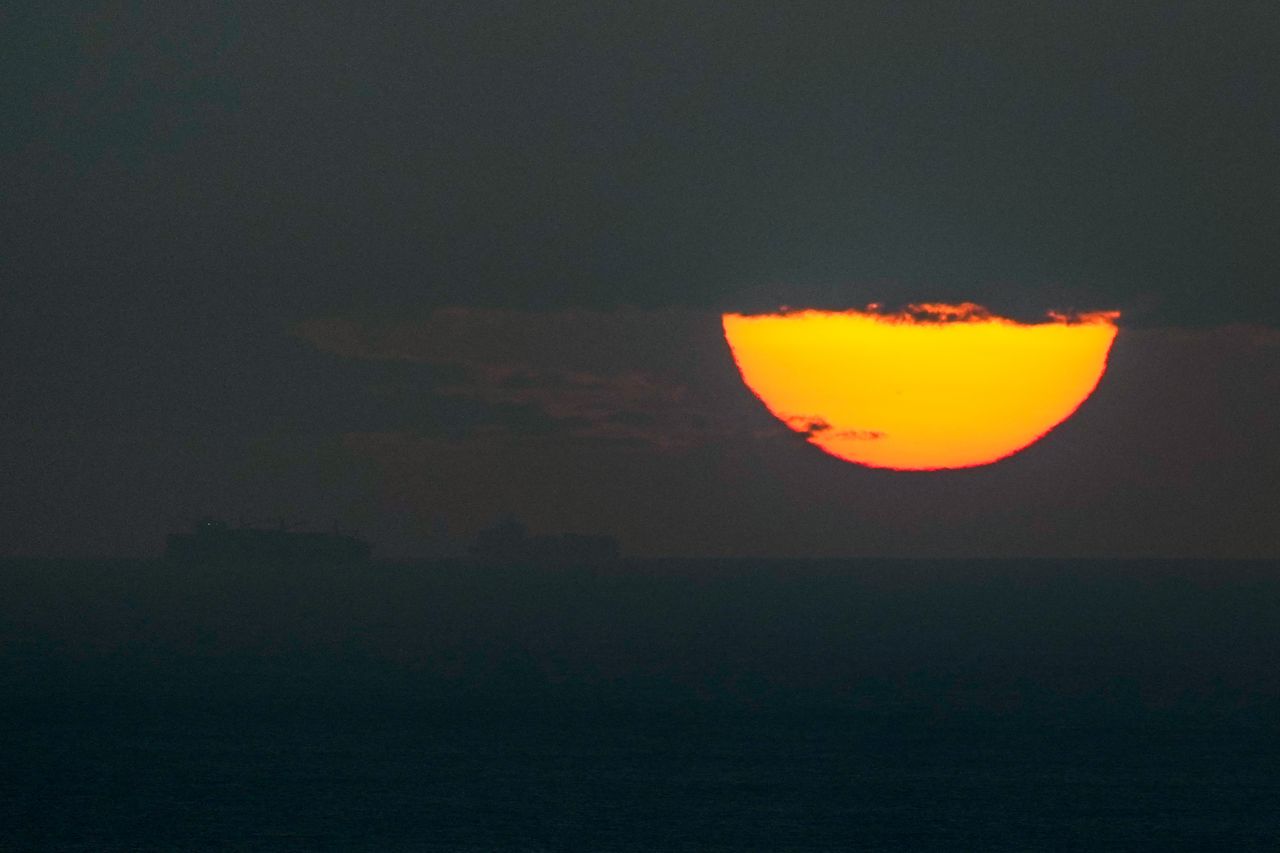
Narrow waterways like the Strait of Hormuz give a regional power such as Iran leverage over a global superpower, he adds.
Can geography dictate?
Although Gulf states such as Saudi Arabia and the UAE are seeking alternative oil export routes, such efforts will take time. More than 80 percent of global trade is transported by sea.
As a result, bringing a halt to one of these chokepoints even for a short period can lead to “economic shocks”, Alex Mills, an international trade expert, wrote in March.
“A prolonged closure could easily trigger sustained global disorder at best, and a major crisis at worst.
“Iran has shown how easily a strategically positioned country can create global economic shocks. The geopolitical genie is out of the bottle: by capitalizing on geography to disrupt global trade, countries can strengthen their strategic position at relatively low cost,” he added.
“The consequences could be far more severe if such leverage were wielded by a nation with a stable economy or a state-of-the-art navy,” he said, referring to Iran’s fragile finances and the country’s weak naval forces, most of whose warships were sunk by joint US-Israel military strikes.
Despite Mills’ emphasis on geography’s increasing importance in the wake of Iran-US tensions, experts caution against reducing Ibn Khaldun's ideas to the popular phrase "geography is destiny."
Although the phrase "geography is destiny" is often attributed to Ibn Khaldun, experts say he never used those words in his writings.
Canatan also cautions against treating geography as destiny. He says Ibn Khaldun viewed geography as only one part of a broader framework that also included the dynamics of asabiyyah, or social cohesion.
“To use Ibn Khaldun’s concepts, a favourable geography can only transform into enduring power when combined with strong asabiyyah (social solidarity), organised mulk (sovereign authority/state structure), and sufficient economic resources,” he says.
Although Iran has shown resilience amid the US-Israel confrontation, Tehran continues to face significant vulnerabilities, including economic difficulties, political isolation and domestic discontent, leaving the conflict's long-term trajectory uncertain.
Tahsin Gorgun, a scholar of Islamic thought at Istanbul 29 May University, also sees parallels between Ibn Khaldun's ideas and the current Hormuz tensions.


Like Canatan, he says Ibn Khaldun did not view geography as the sole determinant of political affairs, but also considered it alongside climate and landforms.
Still, Gorgun believes Ibn Khaldun's emphasis on geography helps explain the current deadlock in the Strait of Hormuz.
“While any given state (the US and Israel) might have a powerful military, it might face its own limits if it meets a certain geographical obstacle like the Hormuz Strait,” Gorgun tells TRT World.
During the Cold War, long-range missiles appeared to diminish the importance of geography.
But since the collapse of the Soviet Union, geography has regained prominence amid tensions in regions such as the Balkans and the Caucasus, says Mehmet Akif Kayapinar, an associate professor at Istanbul University's Institute for Islamic Studies.
He points to the growing body of literature on the subject, including Robert Kaplan's The Revenge of Geography, as evidence of renewed interest in geography's influence on global politics.
However, Kayapinar is less convinced that Ibn Khaldun's ideas can be directly applied to the current Hormuz crisis.
“His analysis aims to interpret long-term political developments rather than short-term events like the current Hormuz crisis,” Kayapinar tells TRT World.
Gulf geography also matters
Geography has also shaped the complex relationship between Shia-majority Iran and its Sunni-led Arab neighbours across the Gulf.
Oil- and gas-rich Gulf states—including Kuwait, Qatar, Bahrain, the UAE and Oman—lie directly across the Gulf from Iran, creating an unavoidable geographic relationship with Tehran.
Although many Gulf states host US military bases and maintain close security ties with Washington, they have also sought to preserve working relations with Iran, helping keep trade through the Strait of Hormuz largely uninterrupted until the current crisis.
“Geographical proximity compels different kinds of relationships. Even hostility has its limits. Therefore, if the parties reflect somewhat on this proximity, they might conclude that living in peace and harmony is in everyone's best interest,” Gorgun says, referring to Iran-Gulf tensions.
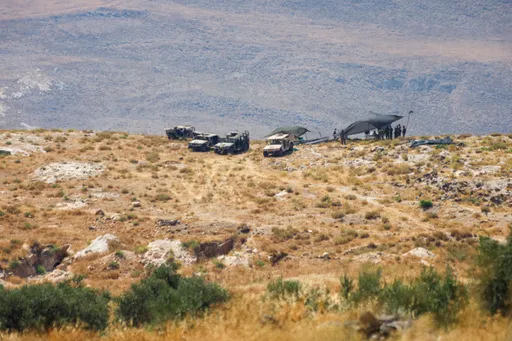
Gorgun also sees parallels between Ibn Khaldun's ideas and the broader tensions between Iran and neighbouring Arab states, including countries such as Jordan that host US military forces.
According to Gorgun, Iran has developed a stronger sense of asabiyyah through its Persian historical identity and Shia political tradition.
By contrast, he argues that many Gulf states emerged from post-First World War political arrangements shaped by Western powers, giving them comparatively weaker social cohesion.
Gorgun says Ibn Khaldun argued that pre-Islamic Arab tribes lacked the cohesion needed to build a durable state until they were united by the Prophet Muhammad's religious message.
Applying that framework to today, Gorgun argues that some Gulf monarchies rely heavily on external alliances, something Ibn Khaldun viewed as weakening political independence.
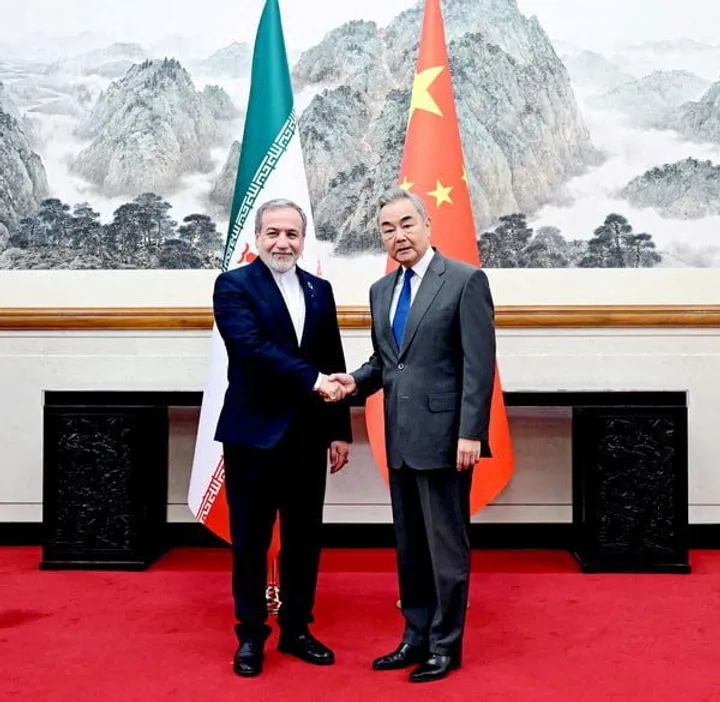
By contrast, Gorgun says Iran's strategic location, together with its partnerships with Russia and China, has strengthened its geopolitical position.
“A power that is conscious of its geographical depth and commands a strong sense of asabiyyah can project a force far exceeding the power it actually possesses,” he says, referring to Iran-US tensions.
“This is something which is embedded in Ibn Khaldun’s thought. If he were alive today, he would analyse the situation like this.”
Canatan agrees.
“Superior military technology cannot automatically overcome strong asabiyyah,” he says.
But he also adds that asabiyyah alone does not guarantee victory.
“It can erode over time if not supported by institutional capacity, economic resources, and good governance,” Canatan tells TRT World, referring to Iran’s vulnerabilities.
“For Ibn Khaldun, the decisive question is not which side possesses the most powerful weapon, but rather which side can sustain its solidarity, financial capacity, social patience, and alliances for the longest period.”