Iran has said that the US bears international responsibility for damages caused by its unilateral sanctions and must provide full compensation, including restitution and reparations.
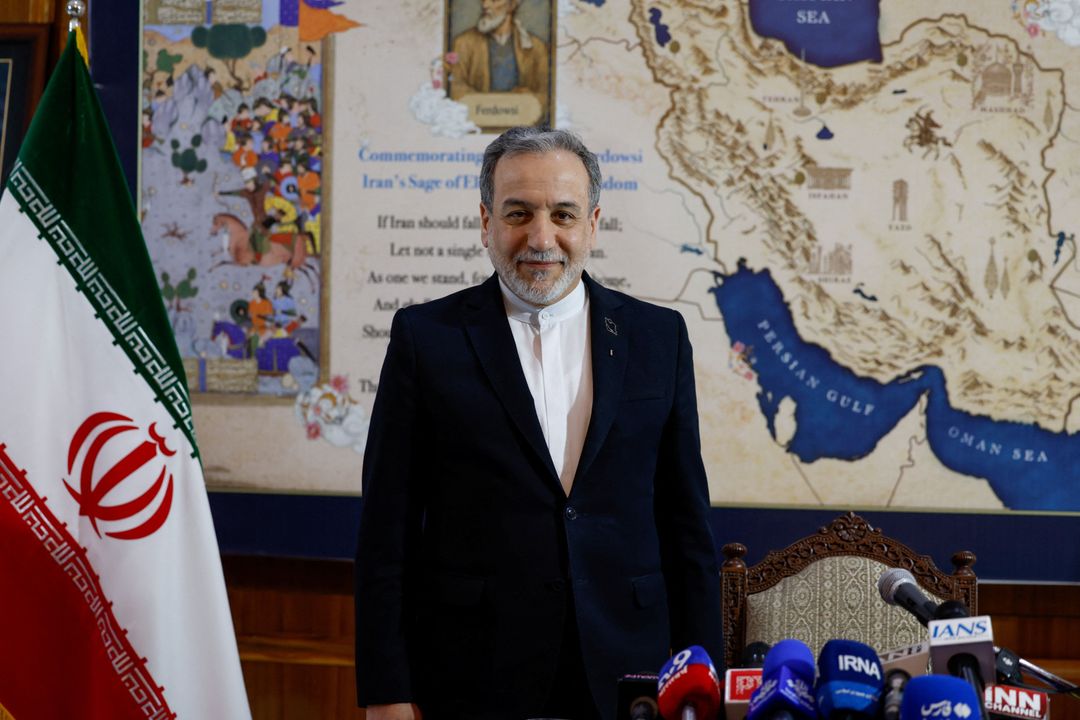
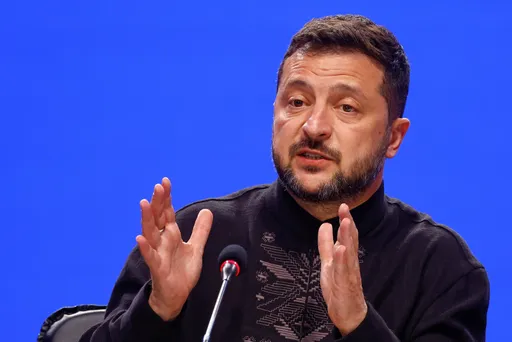
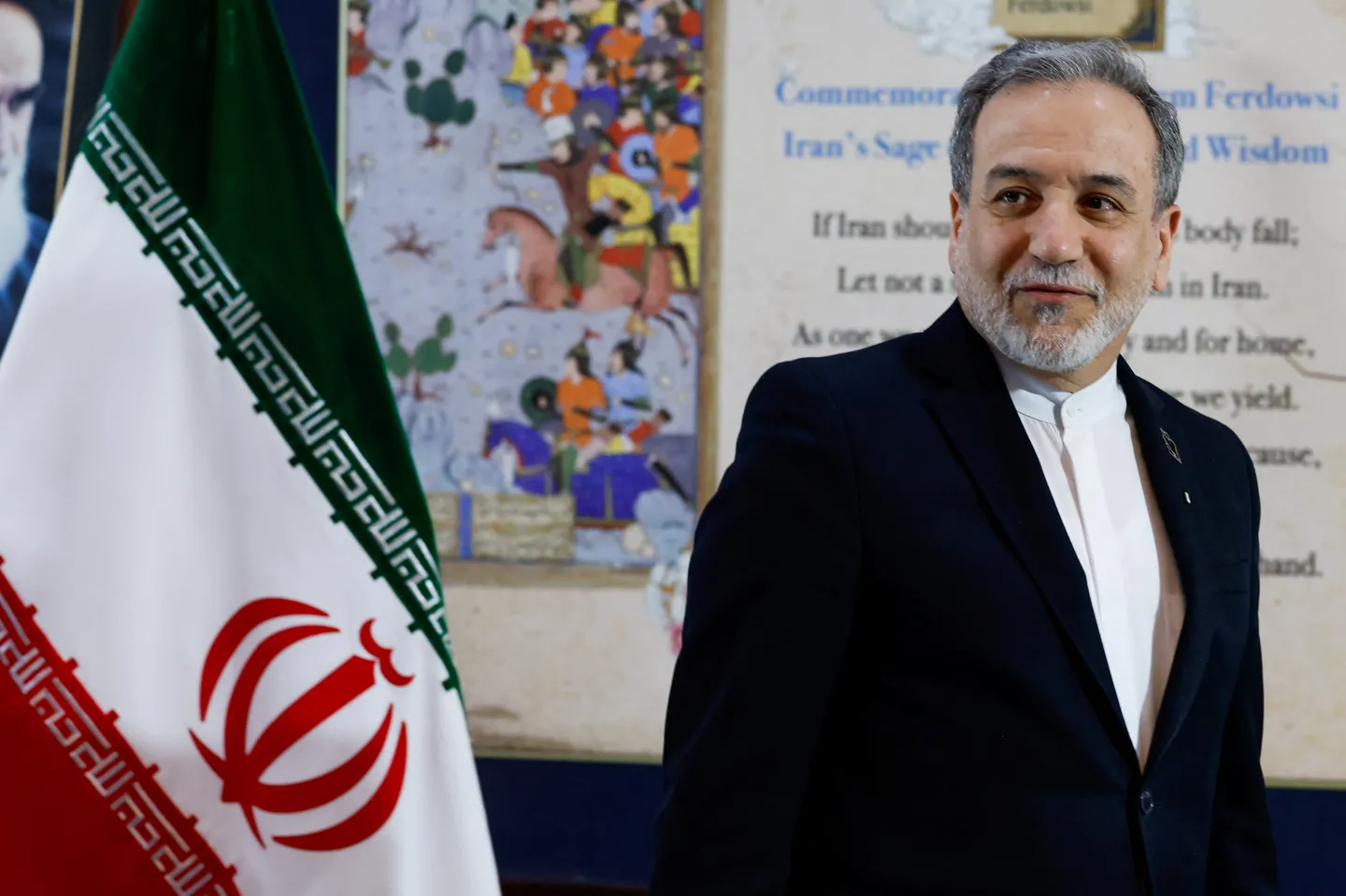
In a message to the UN and Security Council, Iran’s Foreign Minister Abbas Araghchi described the US measures as an “economic terrorism campaign” carried out through unilateral coercive measures, which he said are unlawful under international law.
“The Islamic Republic of Iran reserves its right to resort to all available means to pursue accountability, compensation and redress, and to hold the perpetrators of these inhumane and unlawful acts accountable,” Araghchi said, according to Iran’s state broadcaster IRIB.
He said the US campaign “entails international responsibility, including an obligation to provide full compensation for all material and moral damages, including restitution and reparations, in accordance with international law.”
Araghchi also said the US bears “full international responsibility” and can face individual criminal responsibility, if the relevant legal elements are established, for the consequences of “unlawful and criminal acts and the harm caused to the Iranian people.”
He urged the UN Security Council and member states to condemn and reject Washington’s use of “unilateral coercive measures and secondary sanctions” to pressure sovereign states into changing their legitimate economic interests and trade relations.
Iran also called on countries not to recognise, approve or implement such measures that seek to link their sovereign rights to policies unilaterally determined by Washington.
Araghchi urged the US “to immediately halt threats and coercive actions aimed at forcing third countries and their nationals to alter legitimate economic relations and interests.”
He also called on the UN Secretary-General Antonio Guterres to assess and report on the humanitarian and human rights consequences of such measures, including their impact on civilians’ access to food, medicine, health care, energy, transportation and humanitarian assistance.
Araghchi said relevant evidence should be independently assessed, documented and preserved to ensure future accountability.
“Operation Economic Outcast”
On Monday, the Trump administration launched “Operation Economic Outcast,” a sweeping sanctions campaign aimed at further isolating Iran from the global financial system.
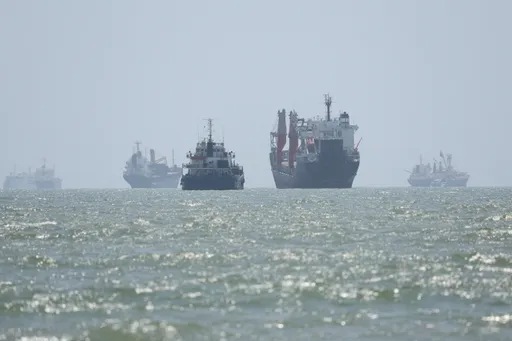
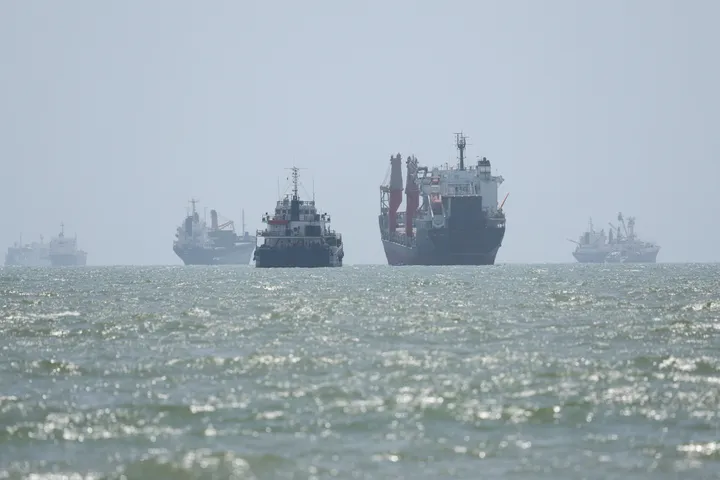
US Treasury Secretary Scott Bessent said the measures target key Iranian economic sectors, including aviation, shipping, gold, technology and digital assets, with more than 60 entities, individuals and vessels blacklisted.
Bessent said Washington’s objective was to sever Iran’s economic lifelines, describing the campaign as the “economic asphyxiation” of the Iranian government.
Last week, US President Donald Trump announced his intention to launch what he called “the most crushing economic operation ever taken against any country,” describing his maximum-pressure campaign against Iran as “economic warfare and isolation on an unprecedented scale.”
He also said countries that provide Tehran with an economic “lifeline” – through their financial institutions, businesses, airports, or government entities – would face severe economic consequences.
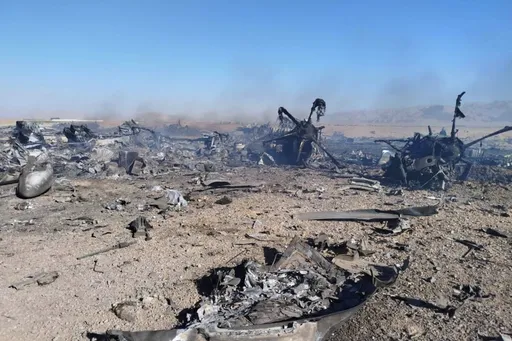
The US and Israel launched attacks on Iran in late February, prompting Tehran to retaliate against Israel and US military assets across the region before a ceasefire agreement was reached in April.
In mid-June, Washington and Tehran signed a memorandum of understanding calling for freedom of navigation in the Strait of Hormuz, but implementation of the deal later stalled amid persistent differences.
Last month, the US resumed its attacks on Iran, while Tehran responded by targeting US military facilities and equipment in a number of Arab countries.