 Kazim Alam
The Knesset, Israel’s national law-making body, formally dissolved on July 17 after completing its full four-year term for the first time since 1988.
But in the final week before its formal dissolution ahead of October elections, the coalition government led by Prime Minister Benjamin Netanyahu passed a number of controversial laws in what Israeli analysts have called a “legislative blitz”.
The measures systematically target the few remaining institutional restraints on executive power, attempt to protect ultra-Orthodox allies from mandatory military service, and tilt media regulations in favour of sympathetic outlets.
Israeli publications have described the series of legislation as designed to shore up the right-wing alliance and reduce checks and balances.
Analysts say the legislative spree shows Netanyahu, already the longest-serving Israeli premier, is fighting for his political survival – a fact reflected by his poor showing in pre-election public polls.
The so-called blitz consists of laws limiting the attorney general’s binding authority over government decisions, a Basic Law elevating Torah study to a foundational state value, a temporary ban on arresting Haredi draft dodgers, and a media overhaul expanding political influence over broadcasting regulation.
Gokhan Batu, a Levant studies analyst at the Ankara-based Centre for Middle Eastern Studies, says the legislative blitz is part of a bigger confrontation between Netanyahu and the judiciary.
“The one area where the coalition has displayed almost complete unity is judicial reform, particularly measures aimed at restricting the powers of the Supreme Court and the attorney general,” Batu tells TRT World.
“The coalition has effectively declared war on the judiciary,” he adds.
Batu notes that public polls already signal a “highly challenging” election for Netanyahu and his allies.
While the opposition has not yet secured a clear path to a governing majority, an eight-seat gap in the 120-member legislature remains significant, he says.
The Knesset passed the Basic Law concerning Torah study by yeshiva students – mostly men who study Jewish religious texts in a dedicated academy known as yeshivas.
It also postponed the detention of Haredim – ultra-Orthodox Jews who strictly adhere to Jewish law and live in insular communities – for failing to respond to call-up orders until November.
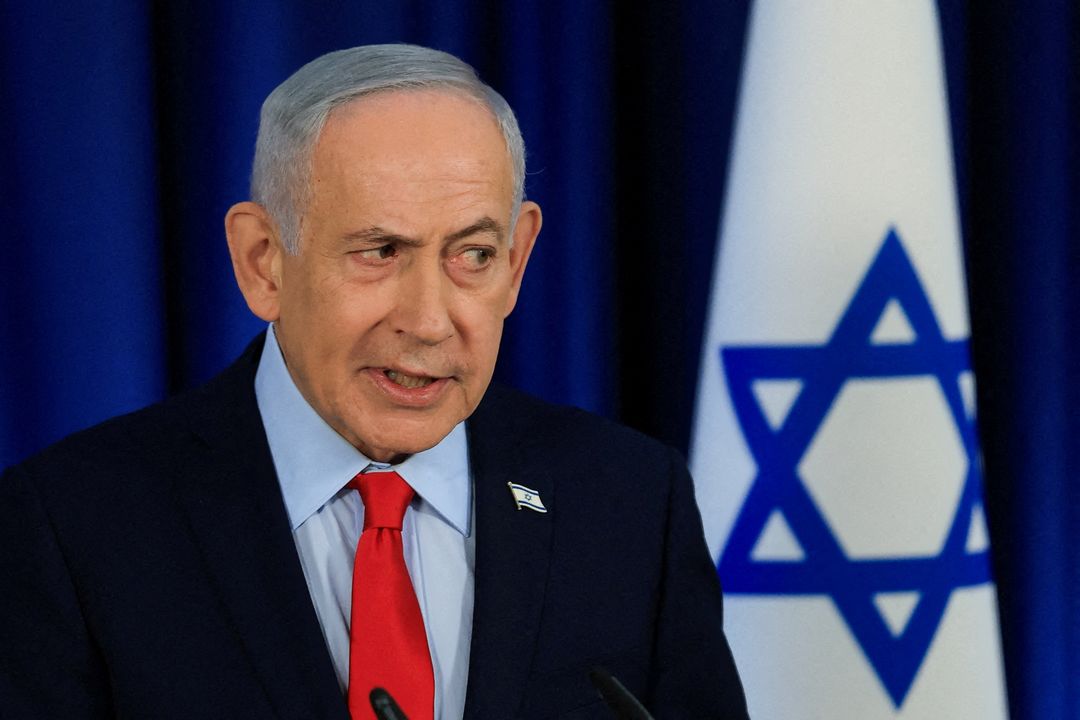
Batu says the main controversy, however, is around the effort to restrict the attorney general’s powers and divide the office’s responsibilities.
Under the Israeli system currently in place, the attorney general can issue binding decisions on the legality of government action.
The recently passed legislation, which will become effective two months after the elections, will allow ministers to reject the attorney general’s currently binding legal positions.
In addition, the ruling coalition will also get control over the appointment and dismissal of the attorney general, a departure from the current practice where the cabinet follows the recommendation of an independent public committee headed by a former Supreme Court judge.







On a path to competitive authoritarianism
Israel does not have a written constitution. In its absence, the Supreme Court functions as the primary institutional check on executive power, Batu says.
“Weakening it (in the name of judicial reform) would effectively neutralise the only body capable of restraining the government,” he says.
The consequences can prove serious in the medium and long terms, he says.
“This could have serious negative consequences… It may cause lasting damage to relations between the public and the judiciary, as well as to confidence in the judicial system’s reliability and impartiality,” he says.
As for what the rush of legislation says about Netanyahu’s willingness to bend the system for his personal survival, Batu notes that the measures form part of a bigger effort to close ranks within the coalition before voters go to the polls.
“Netanyahu has never been a leader who gives up easily,” he says.
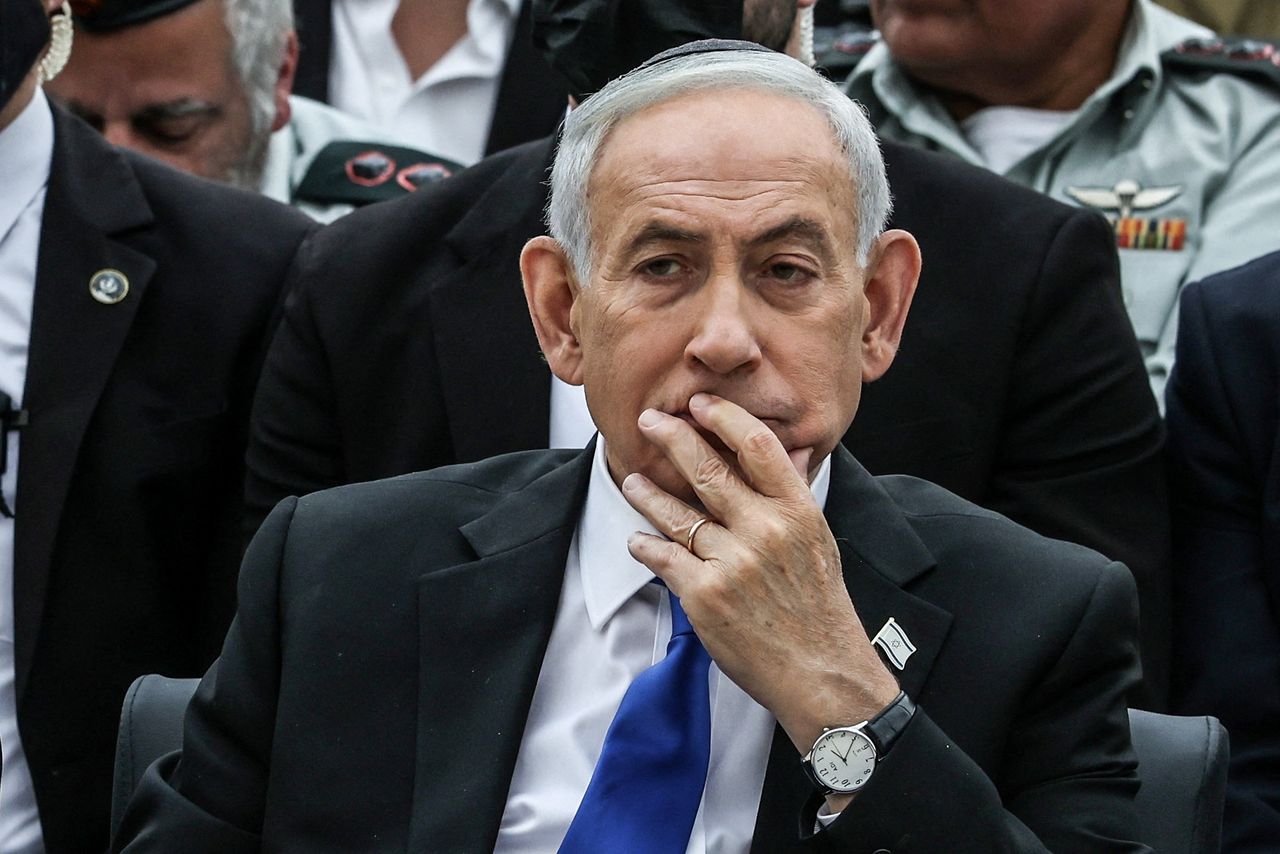
Progress has been made in placing loyal figures in the military and intelligence establishments. But Netanyahu has yet to achieve the transformation he expected within the judiciary, Batu says.
He describes Israel as moving towards competitive authoritarianism, with the courts remaining the most difficult institutional obstacle.
The confrontation carries personal stakes for Netanyahu because of his ongoing trials.
In this light, the legislative spree appears less like routine governance and more like a calculated attempt to consolidate the right-wing and ultra-Orthodox alliance for Netanyahu to stay in power.
Opposition parties and legal experts have voiced serious objections, saying that Israel’s already limited formal checks – no constitution or a two-chamber legislature – make the attorney general’s role essential.
Similarly, banning arrests of Haredi draft-dodgers risks alienating non-Haredi voters who continue to get conscripted into the military to fight never-ending Israeli wars in the region.
Batu does not expect the latest legislative measures to directly dictate the overall tone of the campaign or dramatically reshape the election.
Compared with the judicial steps Netanyahu has advanced since early 2023, these moves remain relatively limited, he says.
“The political burden created by October 7, 2023, the [genocidal] war in Gaza, the hostages, the conflicts with Hezbollah and Iran, and broader security concerns is already extremely heavy,” he says.