A localised humanitarian ceasefire between Russia and Ukraine has taken effect in Oleshky city, following a diplomatic initiative brokered by US First Lady Melania Trump to allow emergency aid deliveries and civilian evacuations.
The ceasefire started at 01:00 GMT on Tuesday. The White House confirmed that the first lady served as the "exclusive intermediary" in securing the operational pause.
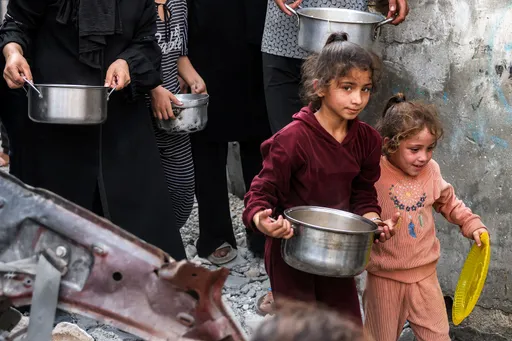
The arrangement addresses critical shortages of food, potable water, and medical supplies in the frontline settlement, situated on the eastern bank of the Dnipro River in Ukraine's southern Kherson region.
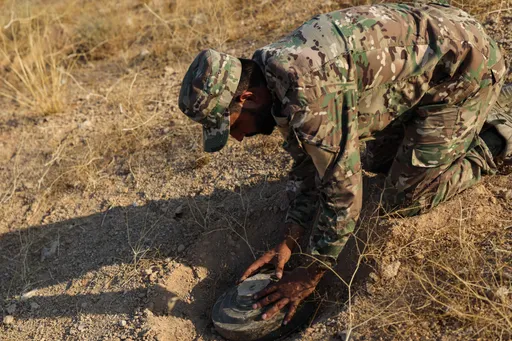
The remaining population faces mined roadways, recurring military bombardments, and severe electricity shortages.
"The situation in Oleshky is dire. Oleshky is a front-line war city on the brink of disaster," Melania Trump said.
"It was abundantly clear that without my intervention, the possibility to bring humanitarian aid into the city and to evacuate the elderly would be impossible."
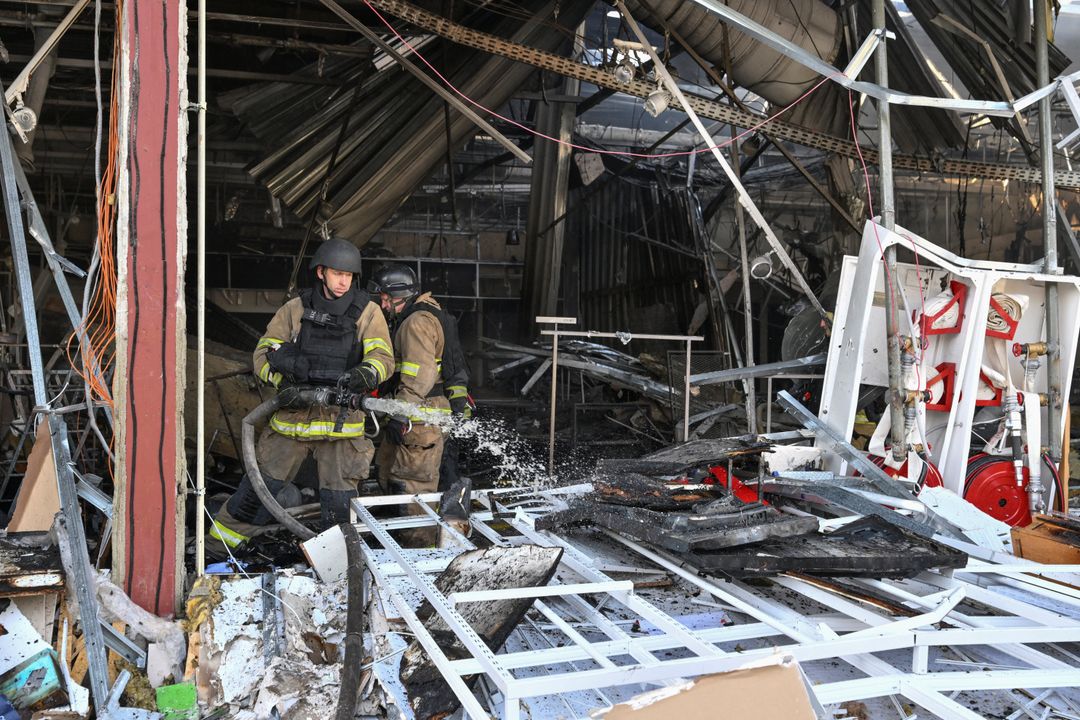
Military implementation
Russian Chief of General Staff Valery Gerasimov announced that Moscow would observe a "regime of silence" from 4 am Moscow time on October 27.

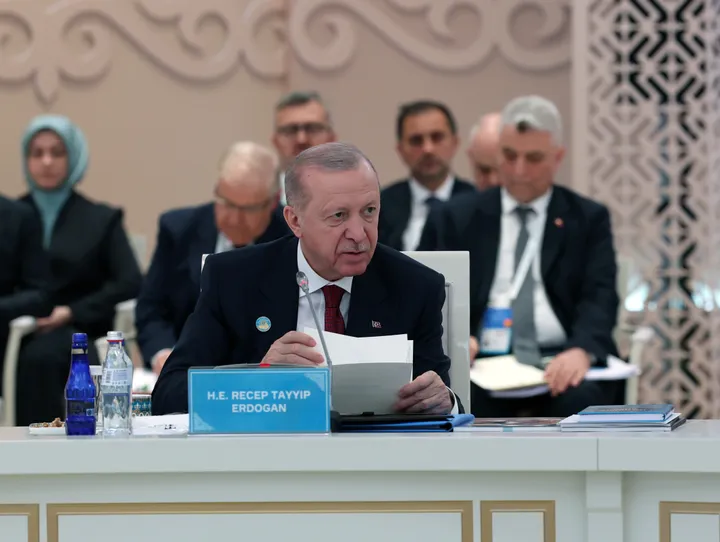




"To ensure the safety of the population and the delivery of essential humanitarian supplies, engineering reconnaissance will be conducted, and the safe passage of a humanitarian convoy to the settlement of Oleshky, Kherson Region, will be facilitated," Gerasimov said.
Ukraine's General Staff confirmed it would observe the ceasefire from 3 am Kiev time to facilitate aid deliveries and guarantee safe passage for departing civilians.
Under the framework, civilian representatives from Ukraine and Russia will assess local requirements.
Residents choosing to leave will receive transport to destinations in either country, with an American media organisation accompanying field teams to record proceedings.
Kremlin spokesman Dmitry Peskov noted the mission could last several days.
Oleshky, seized by Russian forces in 2022, had a pre-war population of roughly 24,000.
Today, only 1,700 to 2,000 residents remain, predominantly elderly individuals unable to flee earlier.
The town suffered catastrophic damage in June 2023 when the destruction of the Nova Kakhovka Dam triggered massive flooding across the Dnipro basin, an act for which Kiev and Moscow continue to trade blame.