The Tigray People's Liberation Front (TPLF), the rebel group at the centre of Ethiopia's 2020-2022 war, has said that it had launched an attack against the Ethiopian army in the country's north.
In a statement, the TPLF-led Tigray regional government said federal forces had launched an attack on Wednesday and that its forces had been ordered to enter what it described as a “defensive” war.
The group also claimed that federal forces had launched a large-scale offensive from several directions, using infantry and mechanised units as well as drones and other air assets.
Local media reported clashes between federal forces and TPLF-affiliated forces in parts of Tigray, Amhara and Afar regions.
Getachew Reda, a former head of Tigray's interim administration who now serves as a federal government adviser, accused the TPLF leadership of launching a large-scale attack on government positions in Afar and Amhara.
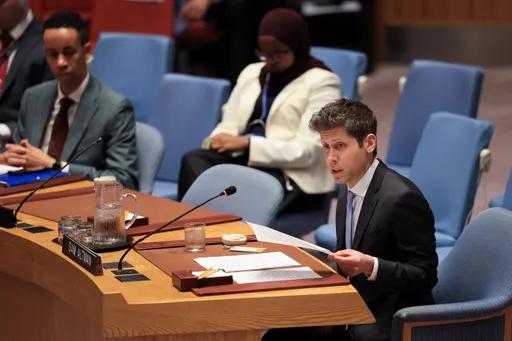
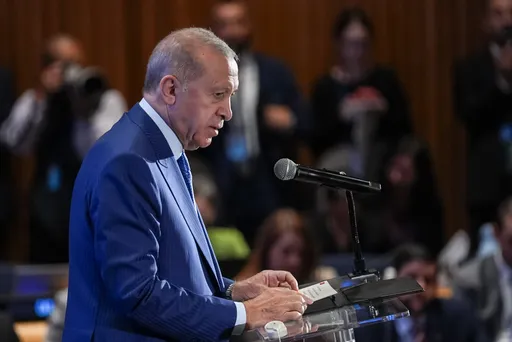
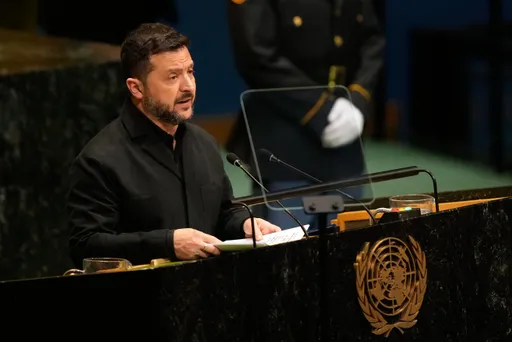
Speaking at the UN General Assembly in New York on Wednesday, Ethiopian President Taye Atske Selassie said his country had exercised “immense restraint” despite what he described as interference by “adversarial elements.”
Renewed fears of war in Tigray
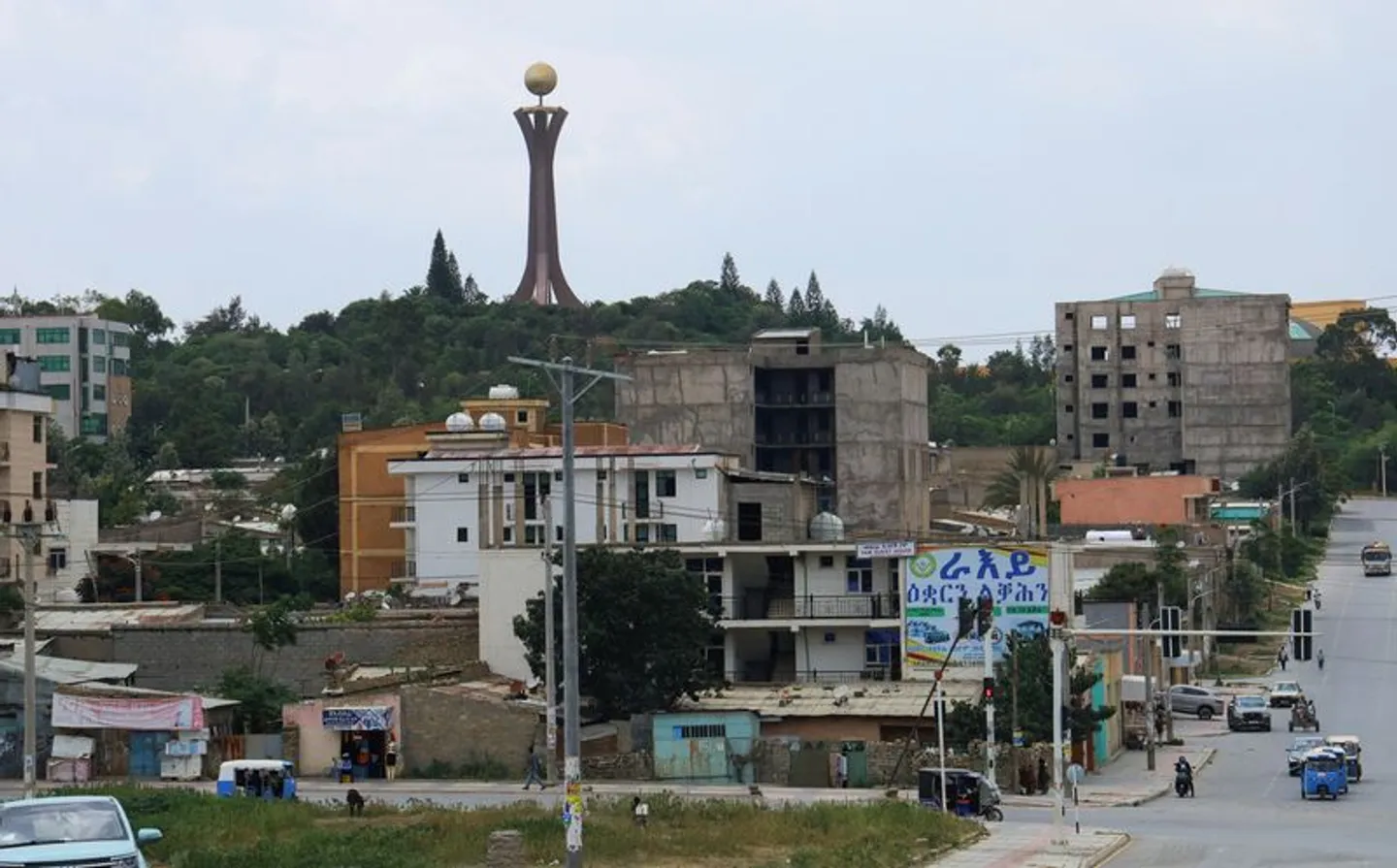
The latest escalation follows reports that TPLF forces had taken control of Alula Aba Nega Airport in Mekelle, the capital of Tigray.


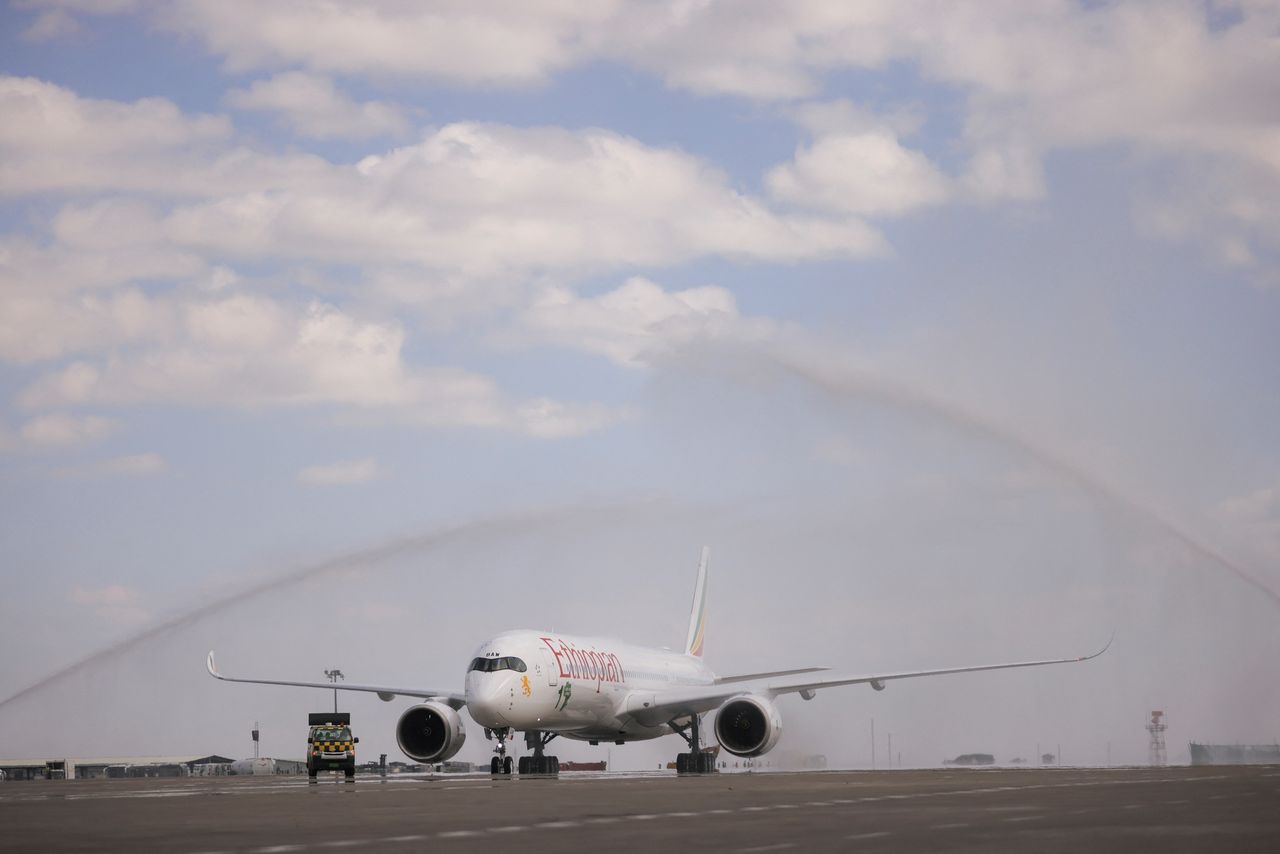
Ethiopian Airlines suspended flights to Mekelle, Axum and Shire in the Tigray region from Wednesday, citing the security situation.
The African Union called for restraint as military tensions increased, saying the Pretoria Cessation of Hostilities Agreement, signed in November 2022, remains the foundation of the peace process.
The United Nations also expressed concern over the deteriorating situation.
Secretary-General Antonio Guterres urged the parties to de-escalate tensions and return to dialogue under the 2022 Pretoria agreement.
The TPLF and Ethiopia's federal government fought a two-year war that began in November 2020. The conflict, which was centred in Tigray and drew in forces from neighbouring regions, is estimated to have killed hundreds of thousands of people and displaced millions.
The war ended with the Pretoria agreement, which halted major fighting but left several issues unresolved, including the status of disputed areas in western Tigray, the return of displaced people and the disarmament of TPLF forces.
The TPLF, which dominated Ethiopia's political system for decades before Prime Minister Abiy Ahmed came to power in 2018, has remained a major political and military force in Tigray.
Last week, seven armed and political groups from different parts of Ethiopia, including the TPLF, announced that they had allied to coordinate their opposition to the federal government led by Abiy.