 Emmett Imani
It was at the height of the war in Ukraine.
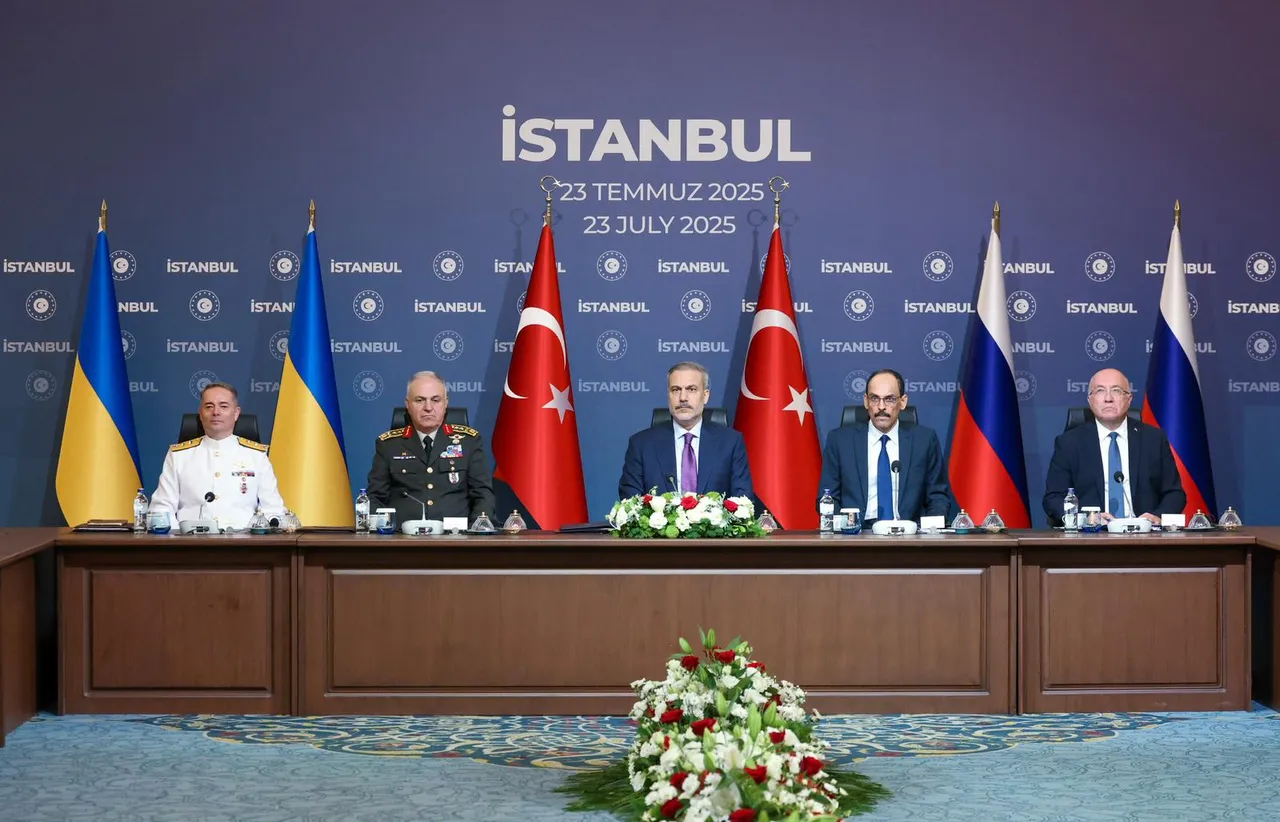
Politicians traded accusations, while experts warned of a looming global food crisis. Then, in Istanbul, something many had not expected happened: Russian and Ukrainian representatives sat down at the same negotiating table.
No one expected peace to come overnight. No one expected the guns to fall silent.
But through mediation by Türkiye and the UN, an agreement was reached to resume grain exports from Ukrainian ports, where millions of tonnes of grain had been stranded.
It was not a spectacular diplomatic victory. There were no historic handshakes under the glare of camera flashes, nor any grand declarations capable of changing the world overnight. Instead, what emerged was something more tangible: food.
Ships loaded with grain sailed to countries in urgent need. Families in Africa, the Middle East and beyond—people who had never heard of the Istanbul talks—were able to put bread on their tables because diplomacy succeeded where many had thought it impossible.
This episode says much about Türkiye’s role in the modern world. More often than not, its peacebuilding efforts are not defined by grand gestures or global ideological campaigns.
Rather, they are rooted in patient diplomacy: maintaining dialogue when others have cut ties and keeping doors open that others have long since slammed shut.
Türkiye did not choose its neighbours.
To the south lies Syria, which has endured more than a decade of war. To the east are Iraq and Iran. Across the Black Sea is Russia.
Across the Aegean is Greece. Beyond them lie the Balkans, the Caucasus and the Eastern Mediterranean—regions where lasting peace has rarely been guaranteed.
When crises erupt in these regions, they do not remain distant. Refugees arrive at Türkiye’s borders. Trade routes are disrupted. Energy supplies come under threat. Security risks intensify.
Geography does not determine destiny, but it does shape the realities of everyday life. This is why Turkish leaders have never viewed regional stability as merely a foreign policy objective. Peace in Türkiye’s neighbourhood is not simply desirable—it is a vital necessity.
At the same time, this position provides Ankara with a unique advantage. Through its NATO membership and its historical, cultural, and economic ties across multiple regions, Türkiye possesses diplomatic capabilities that few countries can match.
It can bring together parties that are often unwilling even to speak to one another. And that is no small achievement.
If there is a common thread running through Turkish foreign policy, it is this: Türkiye maintains dialogue with actors that others often refuse to engage with.
Ankara supports Ukraine's territorial integrity while maintaining open channels of communication with Moscow.
As a key NATO ally, Türkiye continues to engage with Russia. It works with governments, opposition groups, regional powers and international organisations across a range of conflicts.
Critics describe this approach as inconsistent or an attempt to have it both ways. From a mediator's perspective, however, the logic is straightforward: if you refuse to talk to one side, you cannot help both sides find common ground.
Peace negotiations are not conducted between friends. They take place between adversaries.
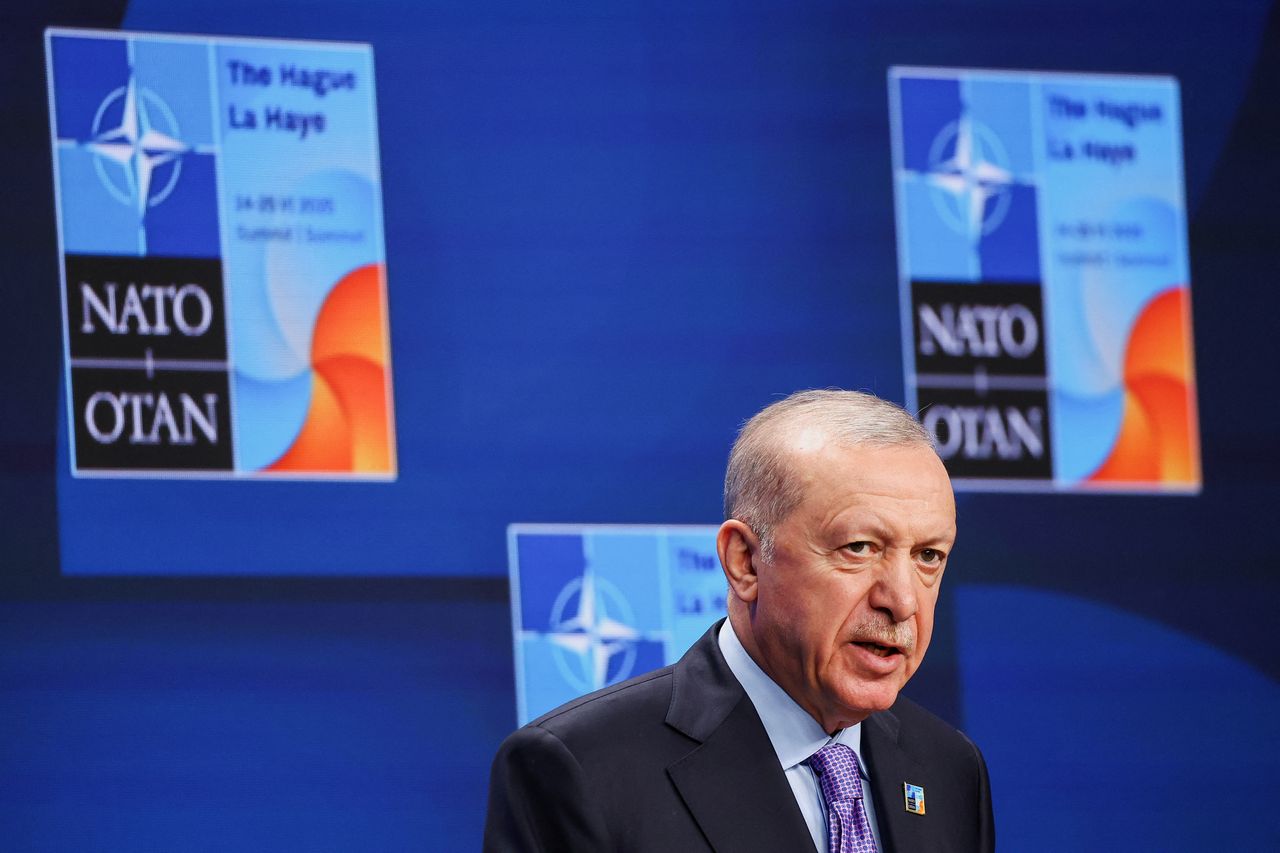
That requires a mediator—someone both sides are willing to tolerate and, ideally, trust. Türkiye has often sought to play precisely that role.
Have all of its initiatives succeeded? Of course not. Diplomacy is rarely straightforward. It is full of dead ends, disappointments and long, difficult processes.
Yet maintaining channels of communication—even when it is inconvenient or attracts criticism—has value. In today's increasingly polarised world, it is also becoming increasingly rare.
Beyond the negotiating table
Türkiye’s contribution to peacebuilding extends beyond diplomacy. Turkish military personnel have participated in more than 30 UN peacekeeping missions and other international stabilisation operations.
Bosnia and Kosovo offer notable examples. Turkish units were part of international efforts to restore normal life after conflicts that devastated communities, separated families and displaced millions.
They contributed to reconstruction projects, supported humanitarian initiatives and helped prevent a return to violence.
Somalia provides another example. While many countries viewed the country primarily through a security lens, Türkiye adopted a broader approach.
It built hospitals, launched infrastructure projects, expanded humanitarian assistance and developed security cooperation.
One small but revealing detail captures this philosophy. The Turkish ambassador to Mogadishu chose to live not in a fortified diplomatic compound but in the city itself, among the people.
At first glance, this may seem like a minor detail. Yet it reflects the essence of the Turkish approach: it is difficult to help people from a distance.
Peace is not simply the absence of war. It is also a willingness to be present.
The Syrians who fled their country during the civil war did not carry geopolitical concepts or political agendas with them.
They carried children, medicine, family photographs and whatever else they could take before leaving their former lives behind.
Many sought safety in Türkiye.
The country has hosted more than 3.6 million registered Syrian refugees, along with hundreds of thousands of people from Afghanistan, Iraq and elsewhere, making it the world's largest refugee-hosting country.
The pressure on schools, hospitals, housing markets and local communities was immense. Domestic political tensions grew, and public debate intensified. Yet Türkiye continued to keep its doors open.
This dimension of Turkish policy rarely features prominently in discussions about peace. Those conversations tend to focus on ceasefires, summits and military operations.
But peace can also mean a family escaping violence. It can mean a child sitting in a classroom rather than living in a war zone.
It can mean a refugee receiving medical treatment rather than being turned away at a border.
Türkiye's response has not been without challenges—no country could manage migration on such a scale without difficulties.
Nevertheless, it represents one of the largest humanitarian commitments undertaken by any state in the 21st century.
Türkiye’s peace policy
Türkiye’s contribution to peace should be assessed through its actions.
When millions of tonnes of grain were stranded and food prices were rising around the world, Türkiye helped facilitate their export.
When millions of people had nowhere to go, Türkiye offered refuge.
When communication between warring parties broke down, Türkiye was often among the few countries able to maintain contact with both sides.
None of this guarantees peace. No country possesses that power.
But it does reflect a consistent choice: to continue dialogue when confrontation appears easier, to shoulder burdens others avoid, and to remain engaged when disengagement would be more convenient.
Peace is rarely built by countries that please everyone. More often, it is built by those willing to speak to everyone.
That is the role Türkiye has sought to play—not perfectly, but persistently.
In a world increasingly defined by competition, mistrust and crisis, countries capable of bridging divides between adversaries will become ever more important.
Perhaps the greatest legacy of Türkiye’s peacebuilding efforts lies not in any single agreement or summit, but in the less visible yet essential task of keeping those bridges from collapsing.
This article was first published in TRT Russian