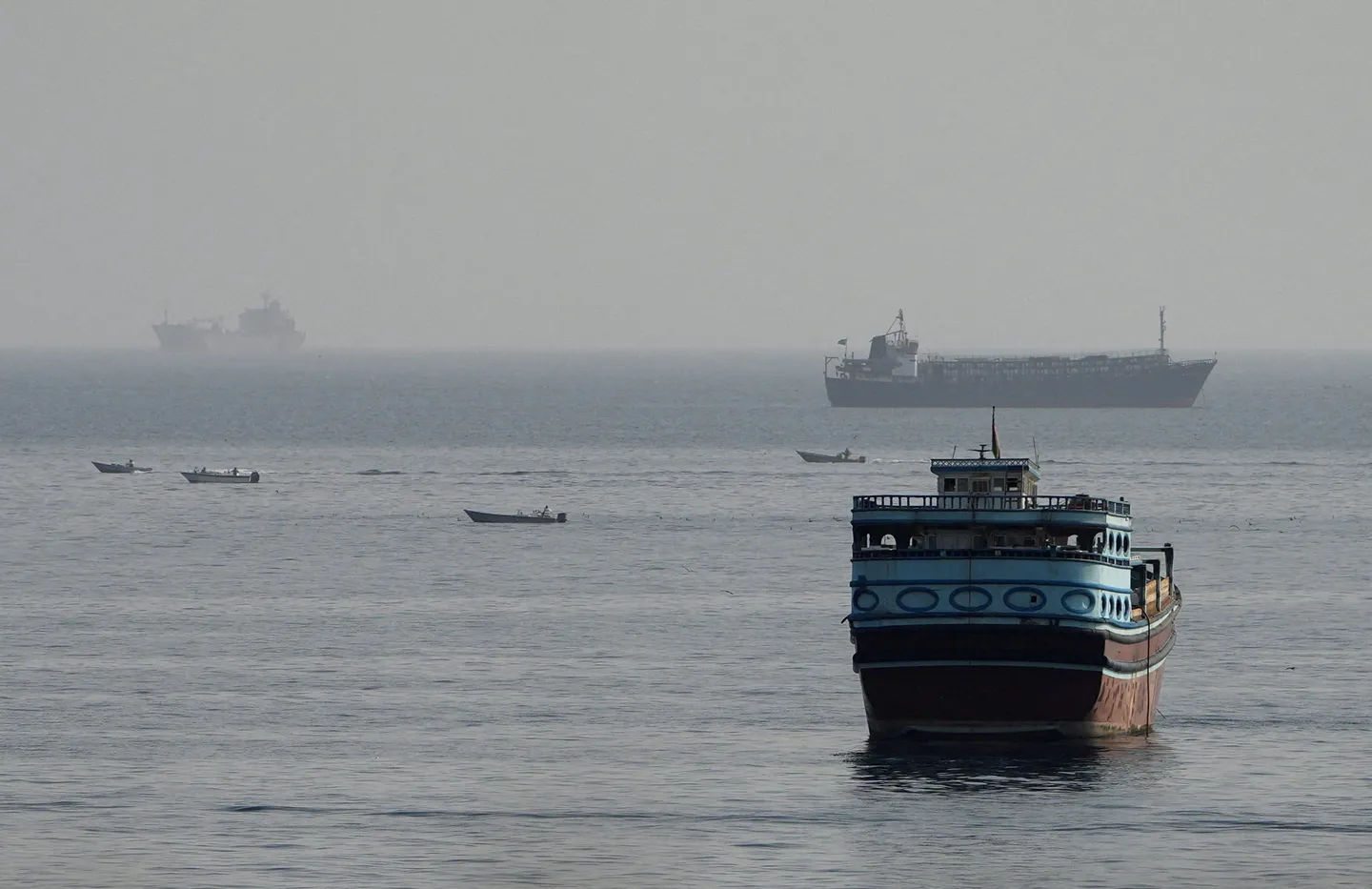
The Iranian parliament’s National Security and Foreign Policy Committee has approved a provision in a draft law allowing Tehran to charge ships passing through the Strait of Hormuz.
The official IRNA news agency said on Sunday that the committee continued its review of the proposed “Strategic Action Plan to Ensure the Security and Development of the Strait of Hormuz.”
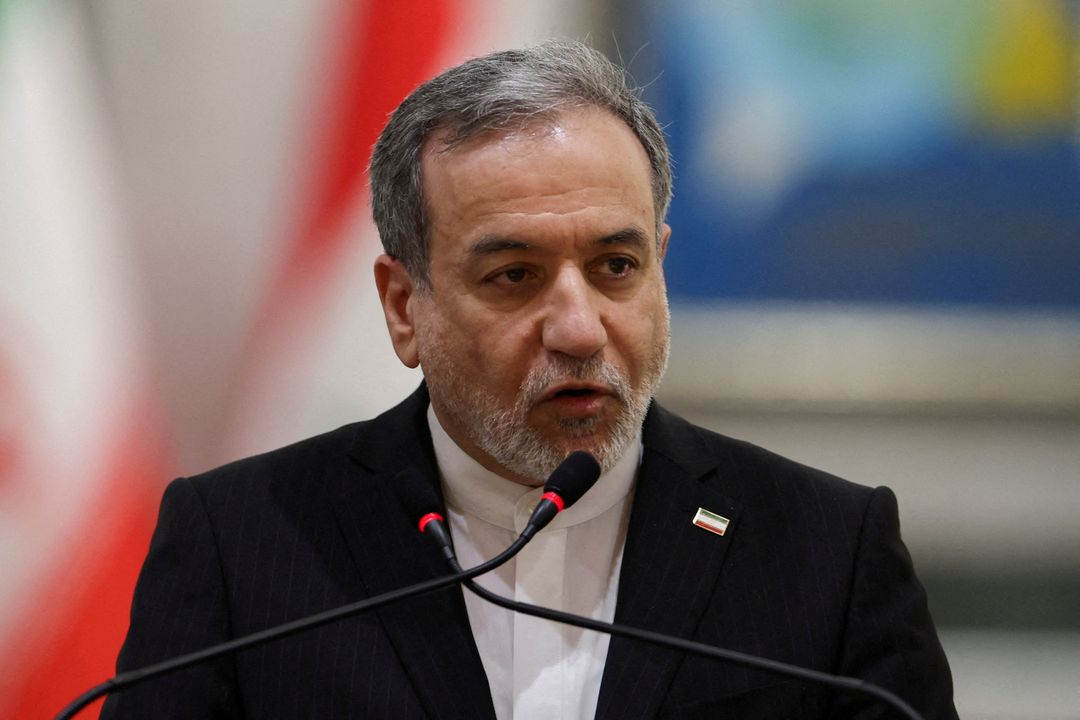
Committee spokesperson Hassan Qashqavi said members approved Article 3 of the bill after its consideration was postponed at a previous meeting.
The provision allows fees to be charged for navigation and environmental services, fuel supplies in special cases, insurance, security and other services provided in the strait, he said.
Qashqavi said the fees would be collected from vessels belonging to countries permitted to pass through the strait and paid in Iranian rials or another currency designated by Tehran.
He maintained that the draft legislation takes into account the rights of states bordering the Strait of Hormuz.
The text recognises freedom of maritime navigation under international law and regulations while emphasising respect for the security and sovereignty of coastal states and the protection of their rights, he added.
The Strait of Hormuz has been a major sticking point in efforts to end the US-Israeli war on Iran that began in February.

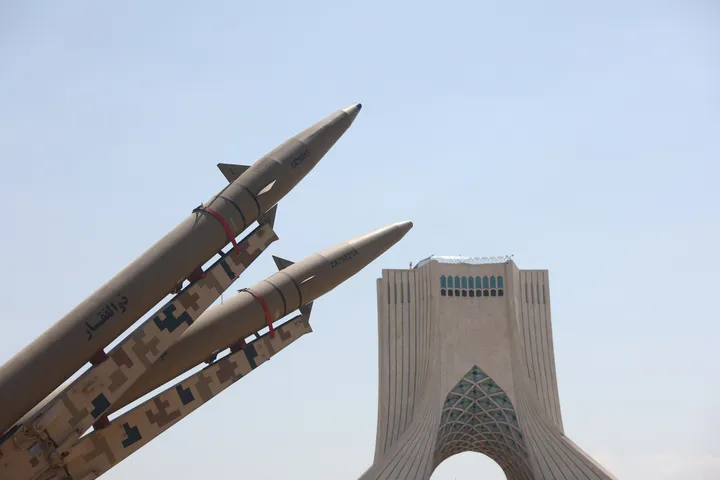




Before the war, there was free passage through the strait, a critical export route for Gulf oil and gas, but Iran now insists on retaining control and charging fees, something the US rejects.
Legislative process
For the proposal to become law in Iran, the relevant parliamentary committee must first debate and approve its provisions.
The committee’s report is then submitted to the full parliament, which votes on the individual provisions and the bill as a whole.
If passed, the legislation is referred to the Guardian Council to determine whether it complies with the Constitution.
Any objections would send the bill back to parliament, while the Expediency Council could intervene if the dispute remains unresolved.
Once approved by the Guardian Council, the legislation is promulgated by the president and enters into force.