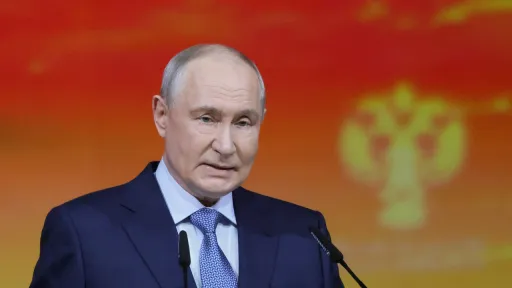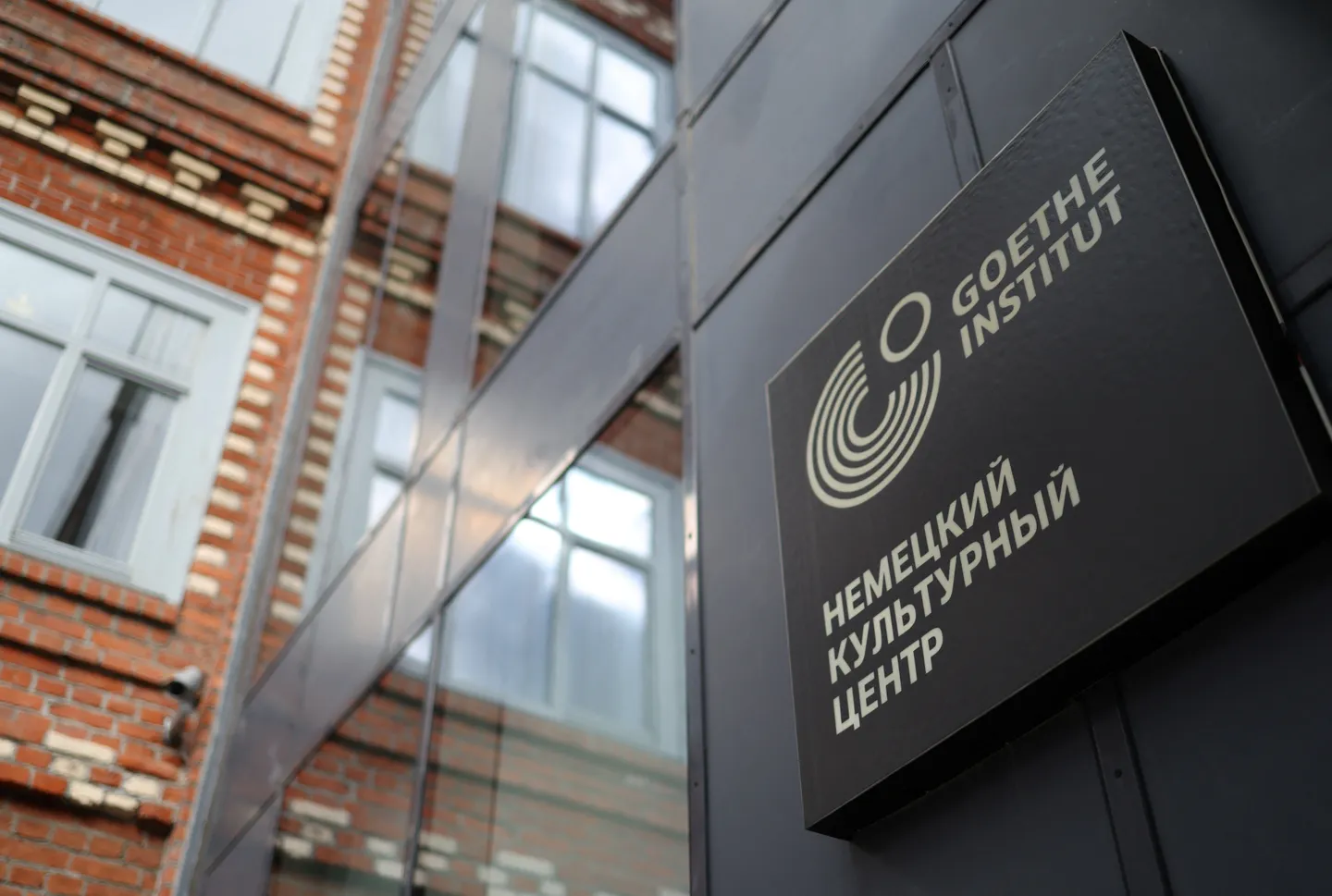
Russia will close Goethe-Institut branches in Moscow, St. Petersburg and Yekaterinburg in response to Germany's decision to close the Russian House of Science and Culture in Berlin, Russia’s Foreign Minister Sergey Lavrov said on Thursday.
Speaking at a lecture organised by the Znanie Society on the sidelines of the Eastern Economic Forum in Vladivostok, Lavrov rejected Russia's involvement in a drone incident at Leipzig Airport, Germany, in early August.
He said German authorities based their decision on an assumption that the drone resembled those used by Russia.
"There are Goethe-Institut branches in Moscow, St. Petersburg and Yekaterinburg. Of course, they will be closed after our cultural centre was expelled from there," Lavrov said.
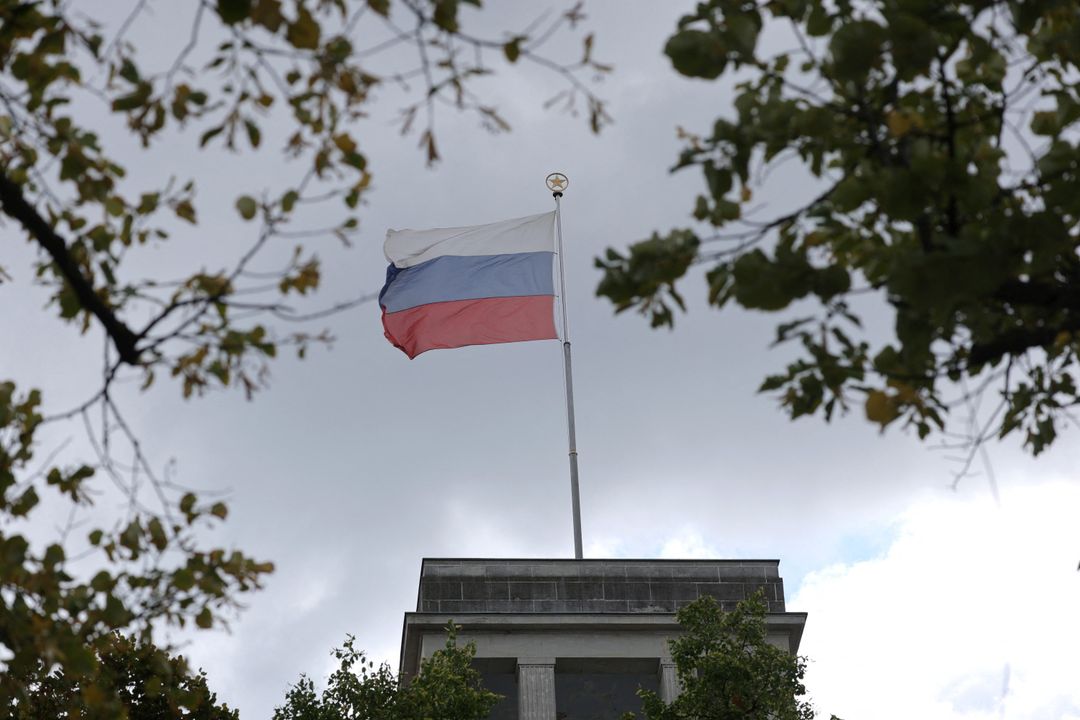
"Otherwise, we would not respect ourselves," he added.
Lavrov said Germany's decision marked the end of its cultural presence in Russia, which had continued despite deteriorating relations over Ukraine.


The German government announced on September 1 that it would terminate the agreement governing the activities of the Russian House in Berlin following a drone incident at Leipzig Airport.
Germany attributed responsibility for the drone incident to Russia.
The Russian Embassy in Berlin rejected the accusation, describing the incident as a provocation and saying Germany's measures represented a serious escalation in bilateral relations.
Norwegian seizure of Russian vessel
Meanwhile, Norwegian authorities seized a Russian vessel in the Arctic archipelago of Svalbard on Wednesday at the request of Ukraine’s Naftogaz as part of a global effort to enforce a $4.22 billion arbitration award.
Naftogaz is trying to recover the multibillion-dollar arbitration award stemming from Russia’s 2014 illegal annexation of Crimea and its seizure of Ukrainian energy assets, including gas fields and pipelines.
In 2023, an arbitration tribunal in The Hague ordered Russia to pay the $4.22 billion to the Ukrainian state-owned energy company for unlawfully seizing its assets in Crimea.
After Russia's refusal to pay the award, Naftogaz has been petitioning national courts seeking court orders to seize Russian commercial assets.
“This is another important step towards restoring justice for Russia’s unlawful seizure of Naftogaz assets in Crimea. Russia cannot evade responsibility simply by refusing to comply with an international arbitral award. We will continue to pursue Russian assets around the world,” said Naftogaz CEO Sergii Fedorenko.
Norway’s seizure of the Russian vessel, the Professor Molchanov, comes after a Nord-Troms district court order issued on August 31, Svalbard Governor Lars Fause said in a statement.
Following the seizure, the vessel is not allowed to leave its current location in Barentsburg on Svalbard, the governor said.
The Russian vessel is used for commercial expedition cruises, including to Svalbard.