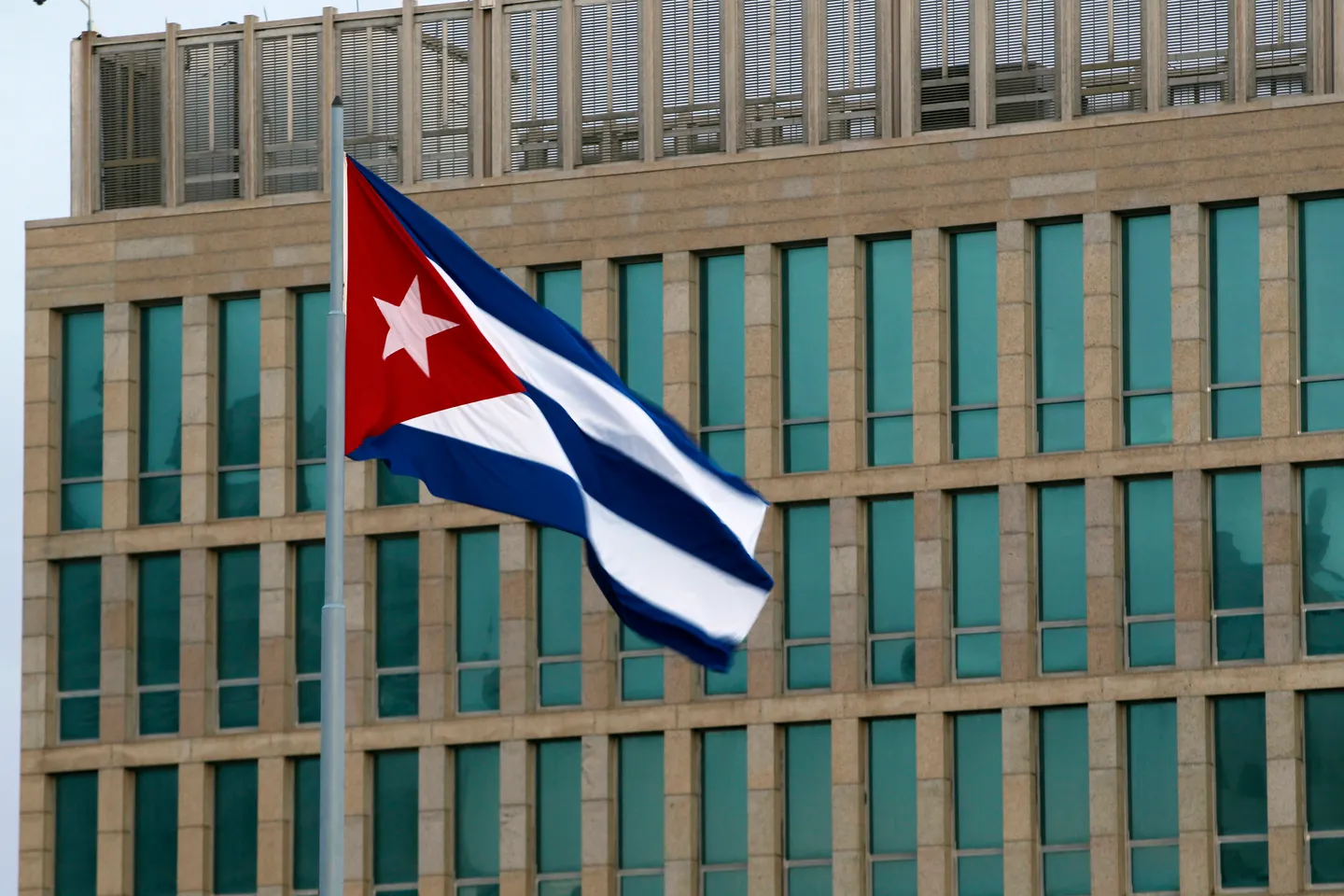
The Trump administration secretly explored an energy deal with Cuba earlier this year that would have provided US oil and investment to the island in exchange for major economic and political changes, according to media reports.
But Cuban resistance and political pressure in Miami prevented the agreement, US media reported on Thursday.
The proposal would have provided Cuba with US oil if Havana agreed to privatise its state-owned energy company, CUPET.
Washington also wanted US investors to gain control of the company, which operates refineries, storage facilities and fuel distribution through CIMEX, part of the military conglomerate GAESA.
"The deal with Cuba, while much smaller in its scale would have sent shockwaves throughout the Cuban government establishment, as it was also tied to a demand that the country's handpicked president, Miguel Diaz-Canel, seen as an incompetent figurehead by Trump administration officials, leave power," Miami Herald reported.
"It would have given the United States significant sway over the country as Cuba’s main oil provider, aligning with President Donald Trump's 'Donroe' Doctrine of US influence in the Western Hemisphere," it reported, citing sources.
The proposal came after Venezuela's Nicolas Maduro was abducted and ousted by US forces Januray 3, ending oil supplies Caracas provided to Havana.
No negotiations
Cuba produces only about 40 percent of the oil it consumes, while its aging power grid and Soviet-era plants have suffered repeated breakdowns.
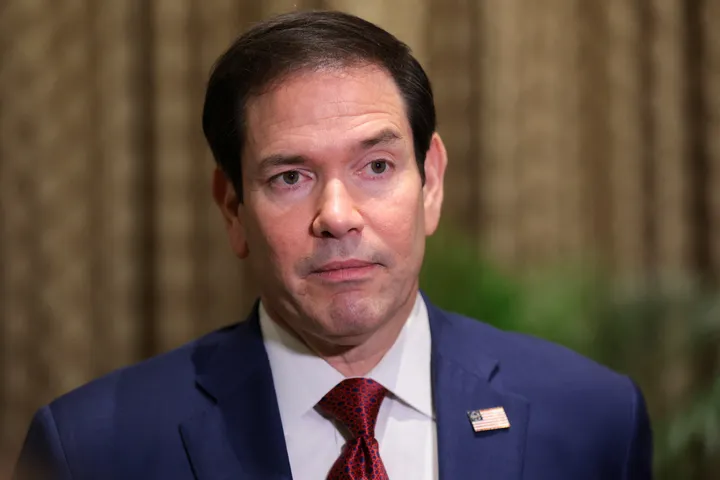
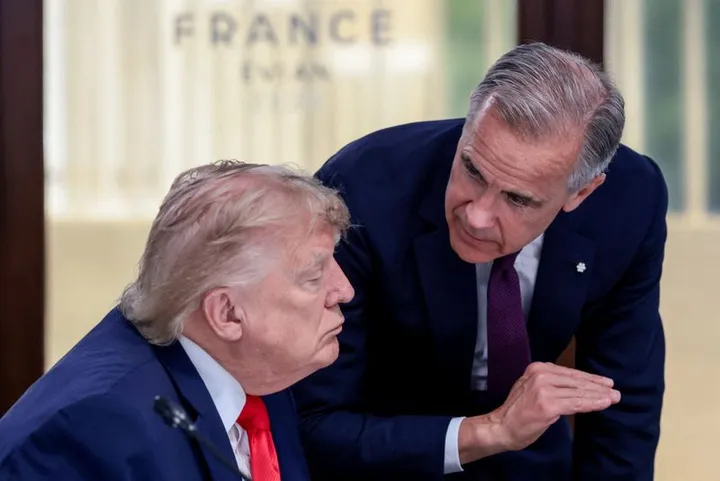

The Trump administration later declared a national emergency related to Cuba and threatened tariffs against countries supplying the island with oil.
In February, Washington authorised the sale of US oil to private Cuban entities, signaling its interest in Cuba's energy sector.
"The Cuban people deserve freedom, not another deal to keep the same regime in power," US Republican Representative Maria Elvira Salazar said at a congressional hearing in April.
US officials met Raul Guillermo Rodriguez Castro, the grandson of former leader Raul Castro, in Saint Kitts and Nevis in February, according to the Miami Herald.
Rodriguez Castro reportedly said Cuba could accept economic reforms, but Washington could not dictate how the country was governed.
US lawmakers Carlos Gimenez and Mario Diaz-Balart questioned reports of negotiations with the Castro family, while Salazar opposed any agreement that could preserve the existing government.
The Trump administration later shifted toward sanctions, targeting GAESA in May and CUPET in June.
Cuba's foreign minister said on Monday that communication channels with Washington remained open but that there had been "no progress" and no negotiations were currently taking place.