 Zeynep Conkar
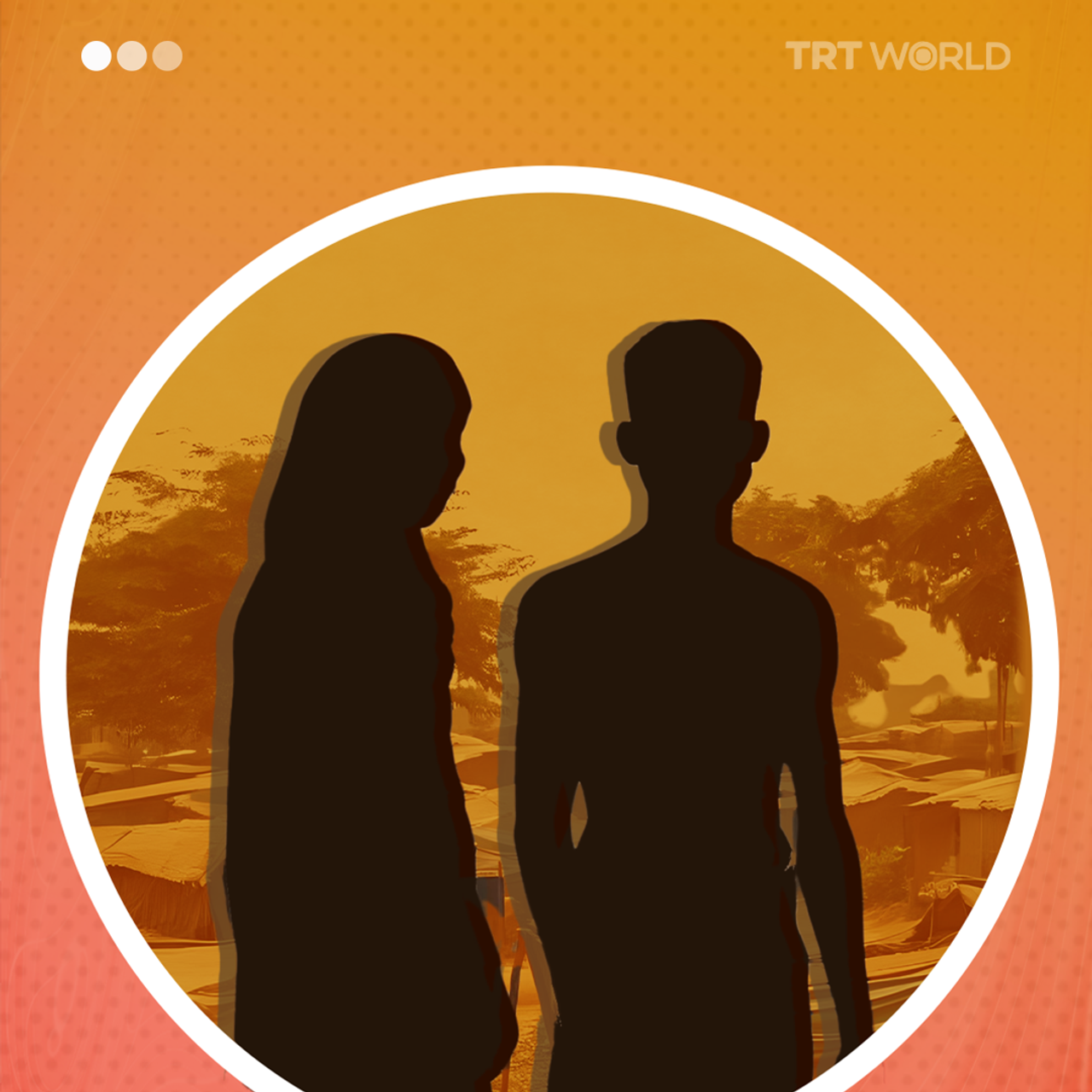
A child no older than six was forced to clear bones and skulls from the ground in Buthidaung town in Myanmar’s Rakhine State, where Rohingya were killed in a 2024 massacre in Hoyyar Siri village.
The child was among Rohingya labourers forced to build a displacement camp, a settlement for non-Rohingya residents and a military base on land where three Rohingya villages once stood, according to a new report from the Office of the UN High Commissioner for Human Rights.
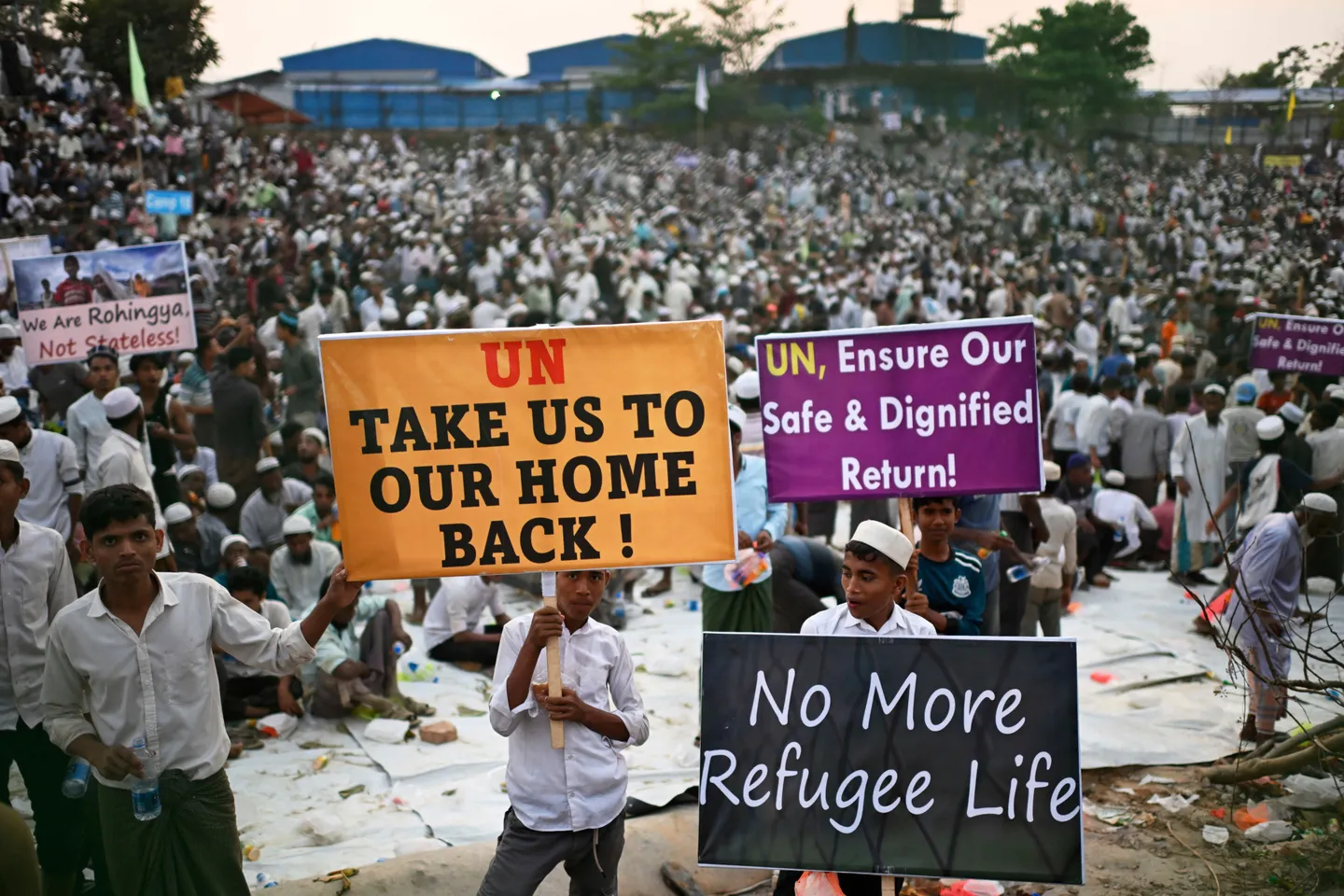
The Rohingya are a Muslim minority in Myanmar who have endured decades of systematic oppression and discrimination.
Denied citizenship and stripped of basic rights, they have faced severe violence and forced displacement, making them one of the world's most persecuted communities.
The new figures offer a glimpse into the scale of abuses Rohingya communities continue to face. In northern Rakhine, local sources recorded at least 2,353 forced labour instances in January 2026 alone, 75 of them involving children as young as six.
Villages were required to provide workers to the Arakan Army, an ethnic-armed group based in Myanmar’s Rakhine State, for a set number of days each week or month, turning forced labour into a system imposed at the community level.
What is being documented, however, may only scratch the surface of what Rohingya children are enduring, according to Ravina Shamdasani, the Chief Spokesperson for the UN Human Rights Office.
“Due to the lack of access to Rakhine and the ongoing restriction on communication, the full extent of abuses against Rohingya children is indeed challenging to quantify and detail,” Shamdasani tells TRT World.
“We have received many reports of extreme cases of children being forcibly recruited as well as subjected to forced labour, early marriage, and sexual violence,” she adds.
About 600 displaced Rohingya are currently held at the camp for survivors of the 2024 massacre.
They are under continuous guard and cannot leave. Sources in the report say that their detention is meant to prevent information about the massacre from spreading.
One escapee described the camp's conditions as appalling, with eight deaths in a few months, including a pregnant woman and five infants and young children.
Women and girls have also faced sexual violence, including rape, according to the report.
The abuse does not end there. Rohingya detainees have described being beaten with bamboo and rubber pipes, burned with matches and cigarettes, and suspended upside down until they lost consciousness.
One man said he woke up in scrubland after his captors, believing him dead during torture in Buthidaung prison, disposed of his body.
His son, arrested alongside him, later died in custody. Families said they were forced to sign statements attributing the deaths to natural causes.
Endless suffering
For the Rohingya, today's abuses are the latest chapter in a persecution that dates back decades.
In August 2017, Myanmar's military launched a campaign of killing, arson and mass displacement across northern Rakhine State, driving more than 700,000 Rohingya into Bangladesh within weeks.
UN investigators later concluded that the campaign was carried out with "genocidal intent", citing mass killings, widespread sexual violence and the systematic destruction of Rohingya villages.
For decades, the Rohingya had been denied citizenship under Myanmar's 1982 law, leaving most of the population stateless and subjecting them to restrictions on movement, marriage, healthcare and education.
The 2017 campaign turned that institutionalised exclusion into mass atrocity.

The abuses reflect a deliberate strategy toward this population, according to Shamdasani.
“What is clear is that since the coup, the military has pursued a strategy of terrorising, surveilling, and limiting the exercise of rights and freedoms against civilians more broadly as a means to crush opposition to their unchecked power,” she says.
“The impunity for these violations, and for the abuses committed by other armed actors, only encourages further violence.”
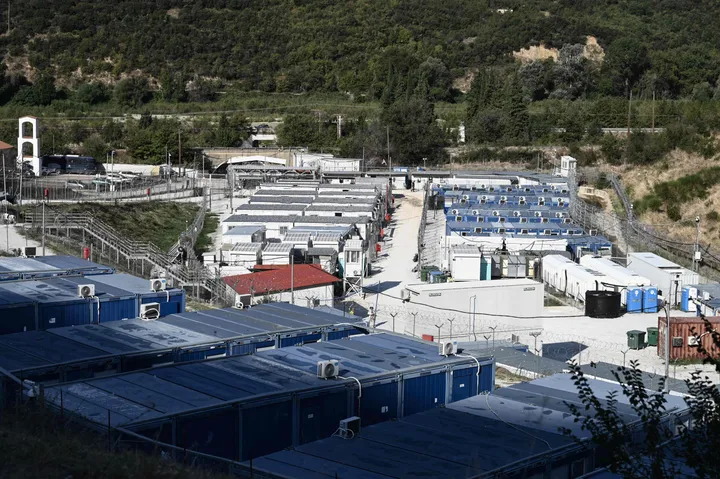
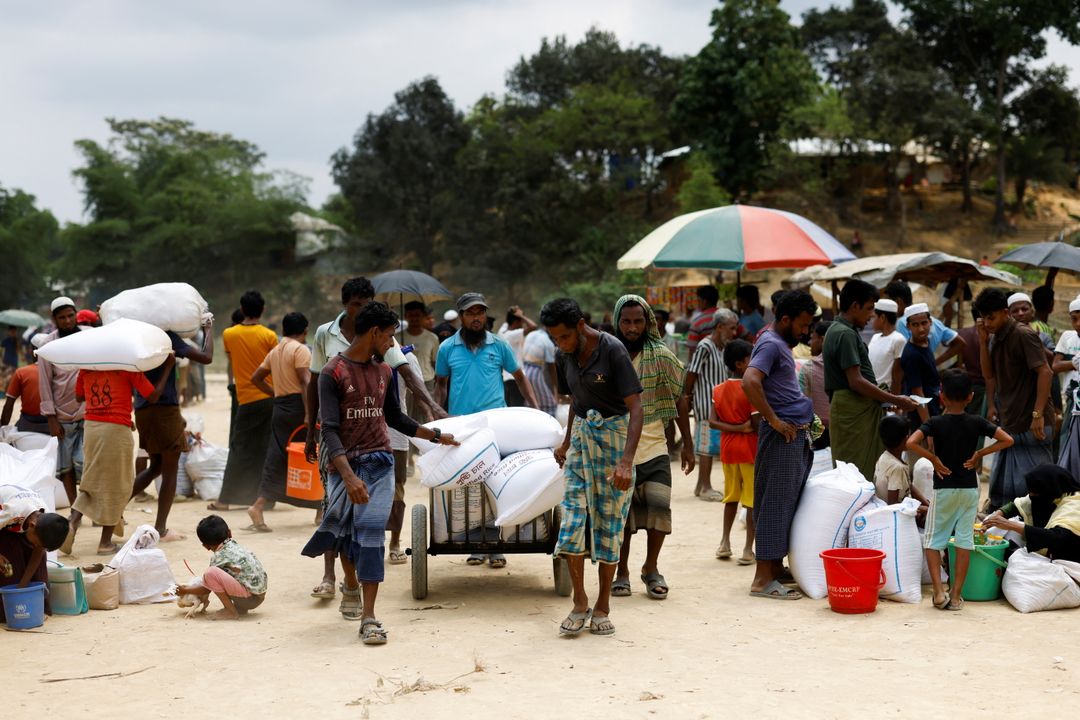
Nine years later, most of those displaced remain in camps in Cox's Bazar, Bangladesh, now the world's largest refugee settlement, with little prospect of a safe or dignified return.
The situation inside Myanmar has since become even more complicated.
The February 2021 military coup plunged the country into a broader civil war, leaving the Rohingya caught between competing armed actors and vulnerable to abuses from more than one side.
In northern Rakhine, the Arakan Army has taken control of territory once held by the military, but that shift has not brought safety for the Rohingya living there.
“The abuses and violations are widespread and systematic - that much is clear,” Shamdasani says.
“Forced recruitment in particular, including for portering or other logistical reasons, has been a hallmark of operations by the military and armed ethnic organisations.”
“What is included in the report does not mean to be exhaustive, but it should help paint a picture of the suffering, and the threats to which civilians in Myanmar are continuously exposed,” she adds.
Documentation without a verdict
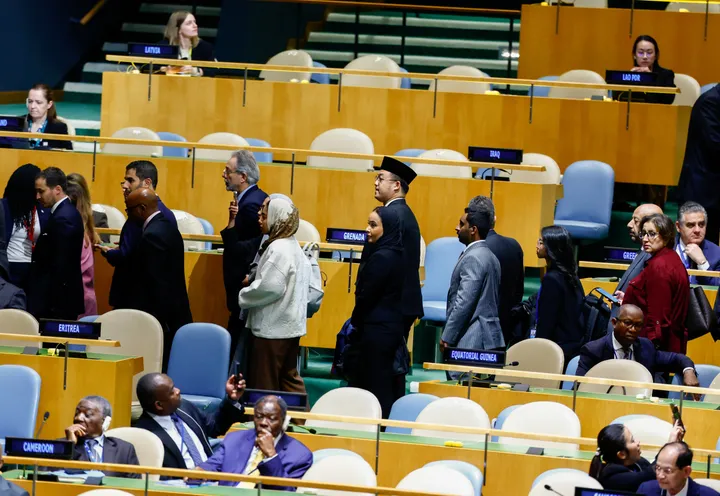
In 2019, The Gambia filed a lawsuit against Myanmar at the International Court of Justice, accusing the state of violating the Genocide Convention through its 2017 campaign against the Rohingya.
The case has moved through the Court since then, and the Court has not yet set a date for judgment.
Since the case focuses on Myanmar's state responsibility under the Genocide Convention rather than individual criminal guilt, new evidence like this report's findings contributes to the overall factual record before the Court rather than being directly incorporated into the case file at this point.
A separate track runs through the International Criminal Court, where the Prosecutor has requested an arrest warrant for former Senior General Min Aung Hlaing over the 2017 Rohingya campaign.
The OHCHR notes no public developments on that request during the latest reporting period.
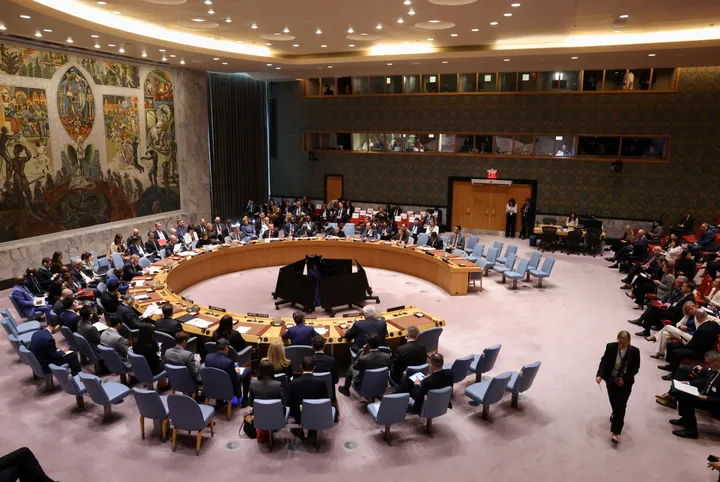
Beyond these two UN-linked bodies, accountability efforts have spread further. Universal jurisdiction cases have been brought in Argentina, Timor-Leste and Indonesia, with domestic courts asserting jurisdiction over alleged international crimes linked either to the Arakan Army or to Min Aung Hlaing himself.
This multiplication of legal tracks strengthens the overall push for accountability, but they are not enough, according to Shamdasani.
“States’ use of universal jurisdiction legislation signals an unwillingness to tolerate grave violations and the indiscriminate use of force against civilians. This is very welcome,” Shamdasani says.
“However, the need for justice of the Myanmar people is larger than the scope of the ongoing processes. There needs to be a stronger push for accountability by all,” she adds.